
Why Not Drinking Enough Water is a Detox Error
Detoxing your body is a process many individuals seek to improve their overall health. One major mistake that people often make when engaging in detox diets is neglecting their water intake. Water plays a crucial role in flushing out toxins and waste products. When your body is insufficiently hydrated, this process becomes significantly less effective. Moreover, water supports various bodily functions, including digestion, circulation, and temperature regulation. Without adequate hydration, these functions can falter, leading to fatigue and discomfort. Furthermore, a lack of water can slow down metabolism, which is counterproductive to detox goals. To optimize detoxification, it’s essential to drink a sufficient amount of water daily. This not only aids in cleansing the body but also ensures the skin stays hydrated and healthy. The feeling of sluggishness often associated with detoxing can be worsened by dehydration. Therefore, being aware of your hydration levels is vital. Always aim for at least eight glasses of water, adjusting based on your physical activity and body needs. Remember, hydration is a foundational pillar of successful detoxification.
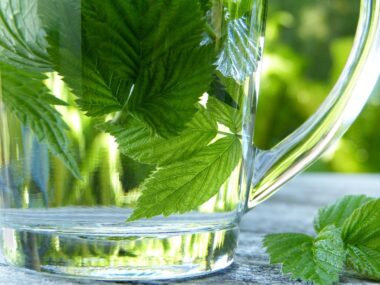
Another common misconception is that beverages like coffee and soda can replace water for hydration. While these drinks do contain water, they also contain caffeine and sugars, which can lead to dehydration. When detoxing, it’s important to prioritize plain water or herbal teas as your main sources of hydration. Herbal teas can provide additional benefits, such as antioxidant properties, aiding further in detoxification. Yet, hydration is not just about liquid intake; it’s also about the minerals and electrolytes you maintain. Drinking water alone might dilute your electrolytes, which are essential for various bodily functions to keep you balanced during a detox. Therefore, including mineral-rich foods, such as fruits and vegetables, can enhance your detox journey. Foods like cucumbers and watermelon contain high water content and also help in replenishing electrolytes. Additionally, when your body is well-hydrated, you might notice better energy levels, improved mood, and clearer skin. Being mindful of your hydration can create lasting effects and improve your overall experience during detox. So aim to incorporate these hydrating foods consistently.
The timing of water consumption also matters significantly during a detox. Drinking water before meals can aid digestion, preparing your stomach for the food intake that follows. It creates a feeling of fullness, which may help manage portion sizes. However, consistently waiting until you feel thirsty may mean dehydration has already set in. Developing a routine around water intake, such as sipping it throughout the day or setting reminders, can support your detox efforts substantially. Incorporate hydration into your lifestyle, viewing it less as a chore and more as a commitment to your health. Moreover, during intense detox phases, your body might require even more water than usual, especially if you’re increasing your fiber intake. Fiber requires water to function properly within your digestive system, preventing discomfort and bloating. Hydrating can also mitigate symptoms of detoxification such as headaches and fatigue, making the journey more pleasant. Easy access to water can encourage you to drink more frequently. A reusable bottle is an excellent motivation tool to ensure you stay on track. Drinking to feel good should be the goal!
Recognizing Dehydration Symptoms
Recognizing dehydration symptoms plays a critical role in managing your detox. Common signs include dry mouth, fatigue, dizziness, and dark urine. These symptoms signal that your body is crying out for hydration. Understanding these signs can help you take quick action, ensuring that you do not derail your detox process. Additionally, you should keep a close watch for changes in your skin, as dehydration can lead to dullness or excessive dryness. If you notice these symptoms, consider increasing your water intake immediately. Not only will this alleviate dehydration, but it will also support your detox goals. It’s also essential to consider environmental factors, such as hot weather or physical activity, as these can increase fluid needs significantly. Even mild dehydration can impact both your mood and mental clarity. Therefore, using tools like apps or water tracking can help monitor your hydration levels throughout the day. By being intentional and proactive about hydration, you can avoid the common pitfalls associated with insufficient water intake. Incorporating positive habits will directly enhance your detox experience, paving the way for better health outcomes.
Another important aspect of proper hydration during detox is the relationship between water and cravings. Many people mistakenly interpret thirst as hunger, leading to overeating. When you’re adequately hydrated, you can often stave off unnecessary cravings. Often, simply drinking a glass of water can diminish the urge to snack or indulge. This understanding is especially vital during detox diets that focus on reducing calorie intake. At times, people might opt for calorie-laden beverages assuming they can satisfy hunger. Instead, replace such drinks with water, as it will provide a zero-calorie option that hydrates instead of adds weight. Also, a well-hydrated body can manage energy levels more efficiently, contributing to improved concentration and reduced mood swings. Enjoying refreshing herbal teas, especially those with detoxifying properties, can keep hydration engaging and enjoyable. Spice up your hydration game by infusing water with fruits or herbs, adding flavor without extra calories. Keeping hydration enjoyable helps cultivate a mindset conducive to successful detoxification. Staying on top of your hydration strategy enables you to maximize the benefits of your detox journey.
Practical Tips for Staying Hydrated
Implementing practical tips for staying hydrated during detoxification doesn’t have to be complex. Start by ensuring you always have a bottle of water within reach, making it far less likely you’ll forget to drink. Consider setting reminders on your phone or utilizing apps designed to track water intake. Group your hydration habits around regular routines, such as drinking a glass after every meal. You can even establish a reward system by allowing yourself a special treat after meeting your hydration goals for the week. Also, try to engage in hydration challenges with friends or family. Sharing the journey makes it more enjoyable and builds accountability. Consider exploring new beverages, such as detox-infused water or flavored herbal teas, to maintain excitement around drinking water. Enriching your water with items like lemon, mint, or berries can introduce delightful flavors. Finally, always recognize your thirst signals; listening to your body can avoid dehydration. Nutritional education about foods known for high water content can also provide additional tools to boost hydration. These strategies ensure you stay hydrated, enhancing your detox process.
In conclusion, not drinking enough water may be one of the most detrimental detox mistakes numerous individuals fall victim to. Water plays an indispensable role in facilitating effective detoxification, ensuring our bodies operate optimally. Being aware of the signs of dehydration and its potential negative effects on the detox process is critical for success. Incorporation of routine hydration practices not only supports your detox but also enhances overall wellness. Those who neglect to consume sufficient water may find themselves facing fatigue, headaches, and digestive issues during their detox journey. Suitable hydration involves understanding your body’s needs and adjusting your water intake based on activity levels and environmental factors. Creating a mindful approach to hydration – with enjoyment and consistency at the forefront – can lead to transformative health benefits beyond just the detox period. With the right tools and mindset, you can avoid common hydration pitfalls while reaping the full rewards of your detox. Ultimately, empower yourself with knowledge and prioritize hydration as a core component of a successful detox strategy. Your body will thank you for it.