
Natural Sleep Aids: The Power of Aromatherapy
Aromatherapy, a holistic approach to health and wellness, has been utilized for centuries, focusing on the use of essential oils extracted from plants. These oils have unique properties that can enhance sleep quality and promote relaxation. Several studies have shown that inhalation of specific essential oils works by triggering olfactory receptors in the brain. This stimulation can lead to physiological and psychological responses, helping to create a soothing environment for sleep. Lavender, chamomile, and bergamot are just a few essential oils known for their sleep-enhancing qualities. Users often prefer to diffuse these oils in their bedrooms or add them to a warm bath at night. Additionally, the routine of incorporating aromatherapy can help signal the body that it is time to wind down. By integrating aromatherapy into a nightly routine, individuals can effortlessly encourage better sleep patterns and overall mental well-being. With the growing popularity of natural remedies, more people are turning to aromatherapy, recognizing the power it holds in improving sleep hygiene and creating a serene atmosphere conducive to restful slumber.
The effectiveness of essential oils in promoting sleep can be attributed to their natural constituents and therapeutic properties. For instance, lavender essential oil has been extensively researched and shown to induce calmness and reduce anxiety levels. A study published in “The Journal of Alternative and Complementary Medicine” found that participants who were exposed to lavender essential oil while sleeping reported better sleep quality and were less likely to wake up throughout the night. Similarly, chamomile is renowned for its calming effects and is often consumed as a tea before bedtime. The aroma of chamomile can also create a peaceful ambiance that encourages sleep. Other oils like vetiver and sandalwood may also work synergistically with lavender and chamomile, enhancing their calming properties. Long-term use of these essential oils may not only help individuals fall asleep faster but may also contribute to improved overall sleep efficiency. The versatility in their usage—whether through massage, inhalation, or topical application—makes essential oils a convenient and delightful addition to any sleep-enhancing regimen, making them a perfect option for those struggling with insomnia or stress-related sleep issues.
How to Use Aromatherapy for Better Sleep
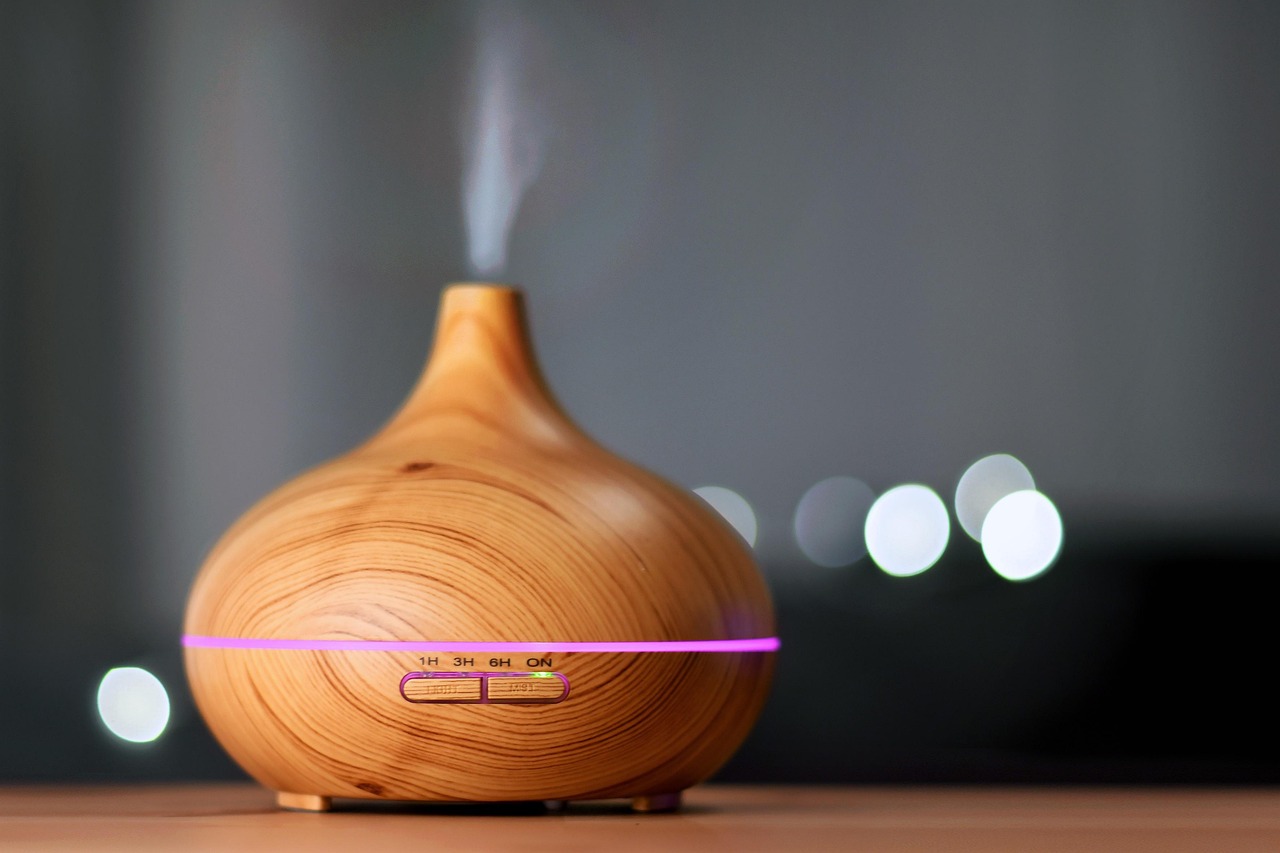
Incorporating aromatherapy into your nightly routine can be both simple and enjoyable. Here are some effective methods you can try to maximize the benefits of essential oils for sleep enhancement. First, consider using a diffuser to disperse the essential oil aroma throughout your sleeping space. This method allows for continuous inhalation, promoting relaxation and tranquility. Alternatively, you could add a few drops of essential oil to your pillowcase or bedsheets before bedtime. This technique can provide a personalized touch to your sleep environment. Another popular method is through a soothing bedtime massage using oils mixed with a carrier oil such as coconut or jojoba oil. Massaging the area around your neck, shoulders, and feet can relieve tension and stress while enhancing relaxation. Lastly, don’t forget about your bath; adding a few drops of your chosen essential oil to a warm bath can create a luxurious, calming ritual that prepares your body for sleep. Implementing these simple strategies can lead to a more restful night’s sleep enhanced by the calming properties of aromatherapy.
One important aspect to consider when using essential oils is quality. It is crucial to choose high-quality, pure essential oils, as synthetic versions may not provide the desired effects. Look for reputable brands that offer organic, therapeutic-grade oils. Reading product labels and customer reviews can help ensure you find quality oils. Additionally, sensitivity to essential oils can vary; it is wise to conduct a patch test on your skin before full application. Some individuals may find certain oils more soothing than others. Encouraging experimentation can help identify which scents work best for you as part of your routine. Furthermore, the environment in which the oils are used also significantly affects their effectiveness, including factors like room temperature and personal space. Creating a calming environment can amplify the effects of aromatherapy. By combining beautiful dim lighting, soft music, and the right scent, a sanctuary for blissful sleep can be achieved. Making aromatherapy a part of your bedtime ritual allows for relaxation that promotes deeper, more restorative sleep, significantly benefiting your overall health and wellness.
Possible Risks and Considerations
While aromatherapy offers many benefits, it is essential to be aware of potential risks and considerations associated with using essential oils. Essential oils are highly concentrated substances, and improper use can lead to adverse reactions. Some people may experience allergies, skin irritation, or respiratory issues when exposed to certain oils. Pregnant or nursing women and individuals with pre-existing health conditions should consult with a healthcare professional before incorporating aromatherapy into their routines. Furthermore, never ingest essential oils without proper guidance from someone trained in their use. Dilution with a carrier oil is recommended to prevent skin sensitivity, especially when applied topically. Additionally, when using a diffuser, be mindful of the duration and concentration of oil used; excessive exposure could lead to headaches or nausea. Children and pets are also particularly sensitive to essential oils, and care should be taken to ensure their safety. When utilized responsibly, however, aromatherapy can be a safe and effective way to enhance sleep quality and promote a sense of calm and wellbeing, enhancing your overall night-time experience.
Combining aromatherapy with other sleep hygiene practices can create a comprehensive approach to achieving restful sleep. Good sleep hygiene includes maintaining a consistent sleep schedule, keeping a cool, dark room, and reducing screen time before bedtime. Adding aromatherapy enhances this environment, providing a relaxing atmosphere. Using essential oils can work wonders when paired with mindful techniques, such as meditation or deep-breathing exercises. Engaging in these practices while inhaling calming scents can further promote relaxation and prepare your mind for sleep. Herbal teas featuring chamomile or valerian root can complement this routine, providing additional calming effects; sipping on these teas while surrounding yourself with soothing scents can elevate your bedtime experience. Creating a relaxing nighttime routine that includes both aromatherapy and other healthy habits can help signal to your body that it’s time to rest. Over time, your body will associate these practices with sleep, allowing you to fall asleep more easily and maintain uninterrupted restful slumber. Embracing these principles can transform your overall sleep experience, leading to a rejuvenated state upon waking each day.
Conclusion
Aromatherapy for sleep enhancement offers immense potential through the use of essential oils derived from nature. Essential oils like lavender, chamomile, and sandalwood have proven to foster tranquility and improve sleep quality. Incorporating these oils into your nightly routine can significantly enhance relaxation and prepare your body for a restful sleep. It is essential to remain mindful of the quality of the oils you select, ensuring that they are pure and genuine. Proven techniques include diffusion, topical application, and incorporating oils into bedtime rituals. Understanding any risks is crucial; awareness of sensitivities and proper usage practices can maximize benefits while ensuring safety. When combined with healthy sleep hygiene practices, aromatherapy provides a comprehensive approach to achieving deeper, more restorative sleep. It can also improve overall health and well-being by reducing stress and enhancing relaxation. As interest continues to grow in natural remedies, aromatherapy stands out as an effective solution for those seeking gentle, natural sleep aids. By embracing the power of nature, you can unlock a more peaceful night’s sleep, awakening revitalized and ready for the day ahead.
Aromatherapy, a holistic approach to health and wellness, has been utilized for centuries, focusing on the use of essential oils extracted from plants. These oils have unique properties that can enhance sleep quality and promote relaxation. Several studies have shown that inhalation of specific essential oils works by triggering olfactory receptors in the brain. This stimulation can lead to physiological and psychological responses, helping to create a soothing environment for sleep. Lavender, chamomile, and bergamot are just a few essential oils known for their sleep-enhancing qualities. Users often prefer to diffuse these oils in their bedrooms or add them to a warm bath at night. Additionally, the routine of incorporating aromatherapy can help signal the body that it is time to wind down. By integrating aromatherapy into a nightly routine, individuals can effortlessly encourage better sleep patterns and overall mental well-being. With the growing popularity of natural remedies, more people are turning to aromatherapy, recognizing the power it holds in improving sleep hygiene and creating a serene atmosphere conducive to restful slumber.