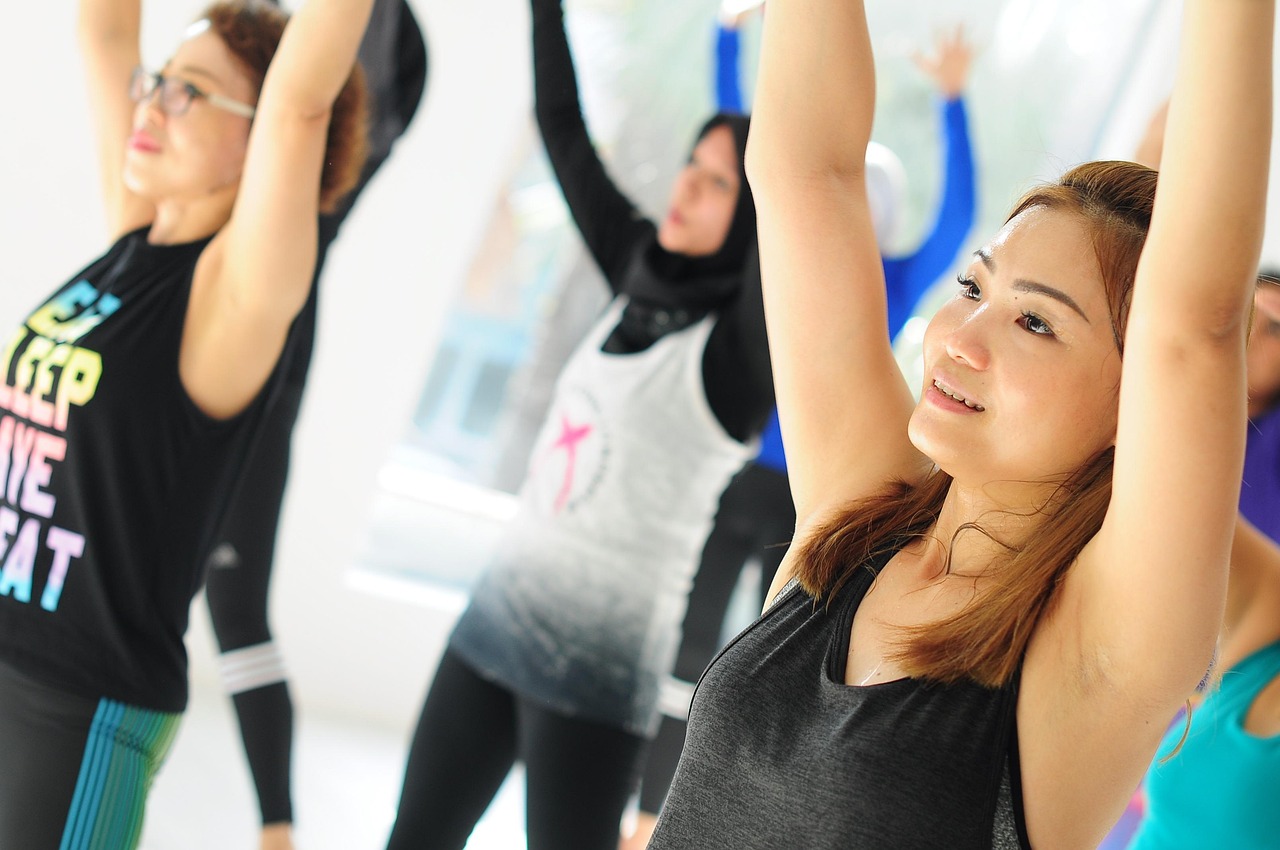

How Group Fitness Classes Empower Women to Achieve Their Fitness Goals
In recent years, group fitness classes have emerged as a powerful tool for women seeking to achieve their fitness goals. These classes foster a supportive community environment where women can motivate each other to push their limits. Participation in group workouts often leads to improved adherence to exercise routines. Additionally, women may feel empowered to try new exercises in a group setting. Sharing fitness journeys can enhance motivation levels, helping individuals stay committed to their personal goals. Instructors play a key role by guiding participants and ensuring that the workouts are effective for varying fitness levels. With structured programs, women can experience a mix of cardio, strength training, and flexibility exercises all in one setting. This diversity can prevent workout monotony and keep participants engaged. Furthermore, group classes often incorporate friendly competition, which can drive participants to reach new heights. Training together also fosters connections among women, creating friendships that extend outside the gym. Investing time in group fitness is not just about achieving physical goals; it often empowers women psychologically, building confidence and resilience that transcends into other life areas.
The Community Aspect of Group Fitness
One of the most significant benefits of group fitness classes is the sense of community they create. Women can form connections and friendships through shared experiences in classes. These connections provide emotional support and encouragement, particularly valuable in a fitness journey. When women realize they are not alone in their struggles, it fosters a sense of belonging. This camaraderie often boosts morale and motivates women to attend classes regularly. Classes designed for various fitness levels ensure that everyone feels included, promoting diversity and participation. Additionally, these supportive environments help break down psychological barriers that may prevent women from starting or continuing their fitness journeys. As women engage in discussions during or after workouts, they share tips, advice, and experiences. This sharing enhances knowledge, making the fitness journey more informative and enjoyable. Group challenges and social events can also create opportunities for bonding. Engaging with peers allows women to celebrate small victories together, further solidifying their community bond. Ultimately, a strong sense of community can significantly impact personal fitness goals and overall well-being, fostering lasting relationships beyond exercise.
Another crucial element in group fitness classes is the variety of workouts on offer. Such diversity keeps participants engaged and excited about their fitness journey. Classes often include high-intensity interval training (HIIT), spin, yoga, and dance-based workouts. This array keeps workouts fresh and appealing while targeting different muscle groups. Women interested in building strength can choose strength-based classes, while those focusing on flexibility can grab a yoga class. Instructors frequently introduce new trends, allowing women to explore innovative forms of exercise. This continual evolution ensures participants never feel stagnant in their fitness routines. Moreover, women have the opportunity to discover new passions for different types of fitness. Trying something unfamiliar can be invigorating and rewarding. The excitement of novelty can motivate women to attend classes they might otherwise consider outside their comfort zone. Fitness programs can also accommodate varying availability based on class schedules. This flexibility encourages continuous participation, enhancing loyalty to the classes. When women commit to these sessions, they are investing in themselves. Overall, the variety offered in group fitness classes caters to diverse interests, thereby aligning with individual fitness goals.
Motivation through Goal Setting
Group fitness classes help women set and achieve personal goals more effectively. Many instructors encourage participants to establish specific, measurable, achievable, relevant, and time-bound (SMART) goals. This framework provides a roadmap, allowing participants to track progress and celebrate victories. Setting collective goals such as completing a specific number of classes within a month can further bolster motivation. The atmosphere of accountability created by group settings ensures that women remain committed to their objectives. Supported by peers, participants often find it easier to stay on track even when faced with challenges. Achieving milestones, whether big or small, can foster a sense of accomplishment and empowerment. In addition to celebrating individual achievements, groups often celebrate collective milestones. This shared joy creates a positive, uplifting environment. Women cheer each other on during workouts, creating an atmosphere of support that encourages progress. Instructors can further enhance this motivation by providing personalized feedback and recognition. Using consistent encouragement, they help participants realize their capabilities. The combination of goal setting and community support leads to a highly motivating environment for women striving to fulfill their fitness aspirations.
Flexibility is another outstanding aspect of group fitness classes that can greatly empower women. Classes are typically offered at various times throughout the week, making it easier for busy women to fit workouts into their schedules. This flexibility allows participants to choose classes that best suit their lifestyle and commitments. Additionally, many gyms offer online or hybrid options for women unable to attend in person. These options broaden accessibility and ensure that participants can maintain their fitness routines regardless of life’s demands. Women often juggle various responsibilities, including work and family obligations. Having the ability to choose the time and format of their workouts makes it more manageable to prioritize health. Online classes allow participants to engage with peers virtually. This flexibility can build confidence and encourage participation in various settings. It’s important that women realize they control their fitness journey and can adapt as needed. With this in mind, group fitness classes provide a structure while also permitting adaptability. Therefore, flexibility significantly contributes to the success of women’s fitness journeys, as they continue to pursue their goals without feeling constrained.
Building Confidence Through Participation
Group fitness classes play a pivotal role in building self-confidence among women. Engaging actively in group workouts allows individuals to step outside their comfort zones and challenge themselves. The camaraderie fostered in these classes creates an environment where participants feel valued and supported. As each woman shows up, pushes her limits, and witnesses her progress, innate confidence flourishes. Instructors often provide positive reinforcement, celebrating achievements and encouraging women to embrace their strength. This ongoing positive interaction further instills self-worth. Achieving personal milestones, such as completing a challenging workout or mastering a difficult exercise, enhances women’s self-esteem. Furthermore, as participants become more comfortable in their fitness journey, they may be more likely to try new classes or activities outside their comfort zone. This newfound confidence often translates into other aspects of their lives. Women may feel empowered to tackle challenges in their professional lives or personal relationships. The profound impact of group fitness on self-esteem expands beyond the gym, proving invaluable not just for physical health but also for emotional well-being. Overall, the shared experiences and individual successes contribute to a positive self-image.
Lastly, group fitness classes can significantly impact overall health for women. Regular attendance promotes cardiovascular health, strength, flexibility, and mental wellness. Engaging in consistent physical activity reduces stress and anxiety, leading to improved emotional well-being. Moreover, these classes emphasize proper technique and form, helping prevent injuries and encouraging safe practices. As women develop a routine, their fitness levels and health markers—from blood pressure to cholesterol—often improve. Participating in group classes can also enhance nutritional awareness. Many fitness communities share dietary tips that align with overall wellness objectives. This collective mindset encourages individuals to prioritize their health both inside and outside the gym. Furthermore, by committing to a fitness-focused lifestyle, women can serve as role models for their peers and families. This hаbit forms a ripple effect, promoting health consciousness within their social circles. Group fitness fosters an environment that encourages healthier lifestyle choices. The synergy of physical activity, knowledge sharing, and emotional support creates a holistic approach to health and well-being. In conclusion, group fitness empowers women, guiding them on their transformative journeys.