
The Science Behind Balance Decline in Aging Adults
As adults age, the decline in balance and coordination becomes increasingly evident, affecting their overall quality of life. This decline is a natural result of several physiological changes that occur with aging. Muscles, tendons, and joints lose elasticity, making movement less fluid. Age-related changes in sensory systems, particularly in vision, proprioception, and vestibular function, can significantly impair stability. Additionally, health conditions such as arthritis, diabetes, and neurological disorders further complicate balance. It is essential to understand the underlying factors contributing to balance issues in older adults. In order to promote better balance, maintaining physical activity, strength training, and flexibility exercises can help mitigate some of the decline. Engaging in activities such as tai chi and yoga can also improve balance. Appropriate footwear and safe environments are essential to reduce risks of falls. Furthermore, incorporating balance exercises into daily routines can support better coordination. Studies show that a proactive approach in addressing these changes can lead to improved outcomes for seniors. Awareness of these age-related changes can empower older adults to seek assistance and engage in activities that enhance their balance and prevent falls.
Factors that contribute to balance decline are numerous and interconnected. One significant decline is muscular strength, which tends to diminish with age. Muscle fibers generally lose size, leading to lower overall strength and stability. Additionally, the reduction in muscle tone and mass makes it challenging for seniors to maintain balance effectively. Changes in the inner ear, responsible for maintaining body balance, also worsen with age. Any disruptions here can lead to dizziness and instability. Furthermore, cognitive aspects greatly affect balance. Older adults may struggle with multitasking, particularly while walking or engaging in social interactions. Mental exercises can help bolster cognitive function among seniors. Environmental factors cannot be overlooked either. Poor lighting, stairs, and hazardous surfaces contribute to falls. To counter these risks, environmental modifications are crucial. For example, decluttering pathways and ensuring adequate lighting can significantly enhance safety. Being aware of these risk factors allows seniors to take preventative measures. Through education and proactive strategies, we can encourage older adults to remain active while reducing the risks linked to balance issues, ultimately promoting greater independence.
Physical Activity and Its Importance
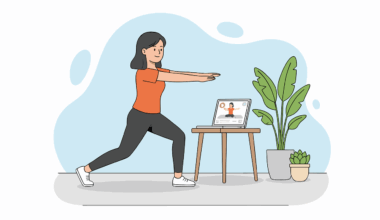
Physical activity is vital in combating the effects of aging on balance and coordination. Regular exercise enhances strength, flexibility, and endurance, all critical components in maintaining stability. Engaging in activities such as walking, swimming, or cycling can build strength and promote heart health. Incorporating specific balance exercises like standing on one leg, heel-to-toe walk, or yoga postures are particularly beneficial. Studies demonstrate that seniors who engage in structured balance training exhibit a reduction in fall risk. By gradually increasing the challenges posed during exercises, older adults can adapt and improve their balance over time. Social aspects of exercising with peers also contribute positively to mental health, creating a sense of community. Seeking guidance from physical therapists or exercise professionals can optimize exercise routines tailored specifically for older individuals. **Participating** in group classes fosters accountability and motivates seniors to maintain a consistent routine. Thus, staying active transcends physical benefits, promoting improved mental well-being too. Overall, prioritizing physical activity is deeply crucial in ensuring balance and coordination among aging adults to enhance their quality of life and reduce fall occurrences.
Nutrition plays a crucial role in maintaining balance and coordination in aging adults. A balanced diet rich in essential nutrients aids in muscle function and energy levels. Protein, for example, supports muscle health, while calcium and vitamin D contribute to bone strength. Hydration is also significant as it affects cognitive function, which is necessary for maintaining focus and awareness of surroundings. Older adults must pay attention to their dietary habits to ensure they receive adequate nutrients. Incorporating foods rich in omega-3 fatty acids, such as fish, can support brain health, further affecting balance. Additionally, fruits and vegetables provide vital antioxidants that protect cells from damage. Knowledge of proper nutrition can empower seniors to make informed choices about their diets. Consulting dietitians or nutritionists can lead to personalized nutrition plans tailored to individual needs. Understanding how specific nutrients support overall health can help motivate seniors to adopt better eating habits. Ultimately, a comprehensive approach combining nutrition, exercise, and lifestyle modifications can work harmoniously to improve balance and coordination among aging adults. Investing time and effort into these areas can greatly enhance overall well-being.
Creating a Safer Environment for Seniors
Creating a safe living environment is paramount in minimizing fall risks faced by seniors. Simple modifications at home can create a safer space, allowing older adults to maintain independence. Removing tripping hazards is a critical first step. Ensure that rugs are secured and pathways are clutter-free. >Utilizing grab bars in bathrooms and railings on stairways significantly increases safety. Additionally, improving lighting throughout the home prevents accidents due to poor visibility. Opting for brighter bulbs and ensuring light switches are easily accessible can help eliminate hazards. Furthermore, using non-slip mats in crucial areas, such as the kitchen and bathroom, can keep surfaces safe. Technology plays a role in enhancing home safety – consider smart technology enabling alerts or automated lighting for added support. Regular check-ups to assess the living space can identify potential hazards, allowing for timely interventions. Also, educating seniors about the importance of their surroundings fosters a proactive mindset. Involving family members in discussions about home safety can encourage modifications tailored to specific needs. Ultimately, adapting the living environment promotes confidence while allowing seniors to engage in daily activities with reduced worry about falls.
Support networks are essential in promoting balance and coordination among aging adults. Family members, friends, or community resources play significant roles in encouraging active lifestyles. Regular check-ins can motivate seniors to remain committed to physical activities, reinforcing a sense of responsibility for their health. Support groups focusing on balance and health can provide structure and community, offering shared experiences and tips for improvement. Additionally, local organizations may host classes or educational programs about balance exercises. Such initiatives emphasize the importance of comprehensive care tailored for seniors’ specific needs. Group events foster socialization, encouraging older adults to venture out and connect with their peers. Family involvement can significantly affect a senior’s emotional well-being, reinforcing their desire to stay active. Furthermore, involving local healthcare professionals ensures that seniors receive appropriate guidance and support. Community integration can create a sense of belonging, enhancing their overall quality of life. Through these interactions, we empower seniors to tackle challenges surrounding balance decline actively. By engaging with community networks, aging adults can strengthen their physical capabilities, leading to fewer falls and improved confidence in daily activities.
Conclusion: Embracing Balance and Wellness
In conclusion, understanding the science behind balance decline among aging adults is vital to fostering healthier lifestyles. Awareness of age-related changes and their effects on balance promotes proactive measures to enhance physical stability. Through physical activity, appropriate nutrition, environmental modifications, and supportive networks, seniors can significantly minimize risks associated with balance decline. Encouraging older adults to engage in various activities, from structured exercises to social events, can elevate their well-being and overall quality of life. As we prioritize balance and coordination, we acknowledge the critical role active lifestyles play in promoting longevity and independence. Addressing these areas comprehensively will provide insights and strategies for empowering seniors. By embracing wellness holistically, we can ensure that aging adults lead fulfilling lives with reduced fear of falls. It is important to remember that each small step taken towards improvement has substantial impacts on their health and happiness. Through collective efforts, caregivers, communities, and aging adults can create an environment promoting strength, stability, and sustained wellness throughout the aging process.
Overall, we leave with a sense of hope for the implications and strategies discussed. By implementing these recommendations, we can work together to build healthier, stronger communities and enhance quality of life for aging adults. Closing the gaps allows for better support and resources to address balance issues, allowing seniors to age confidently and independently. Together, we can promote wellness while recognizing the importance of balance as we age. Let’s begin today to understand the implications of these findings, inspiring collaborative efforts. Through increased engagement and awareness, we aim to achieve remarkable changes in the lives of seniors. Let’s empower our aging population through education, active lifestyles, and community support. Awareness of balance-related issues can bring people together and foster connections that last a lifetime. Together, let’s create a legacy of support for future generations. When we invest in balance, we invest in the future of aging adults. Through these initiatives, we can change how society views aging, from fear-based perceptions to embracing empowerment and independence.