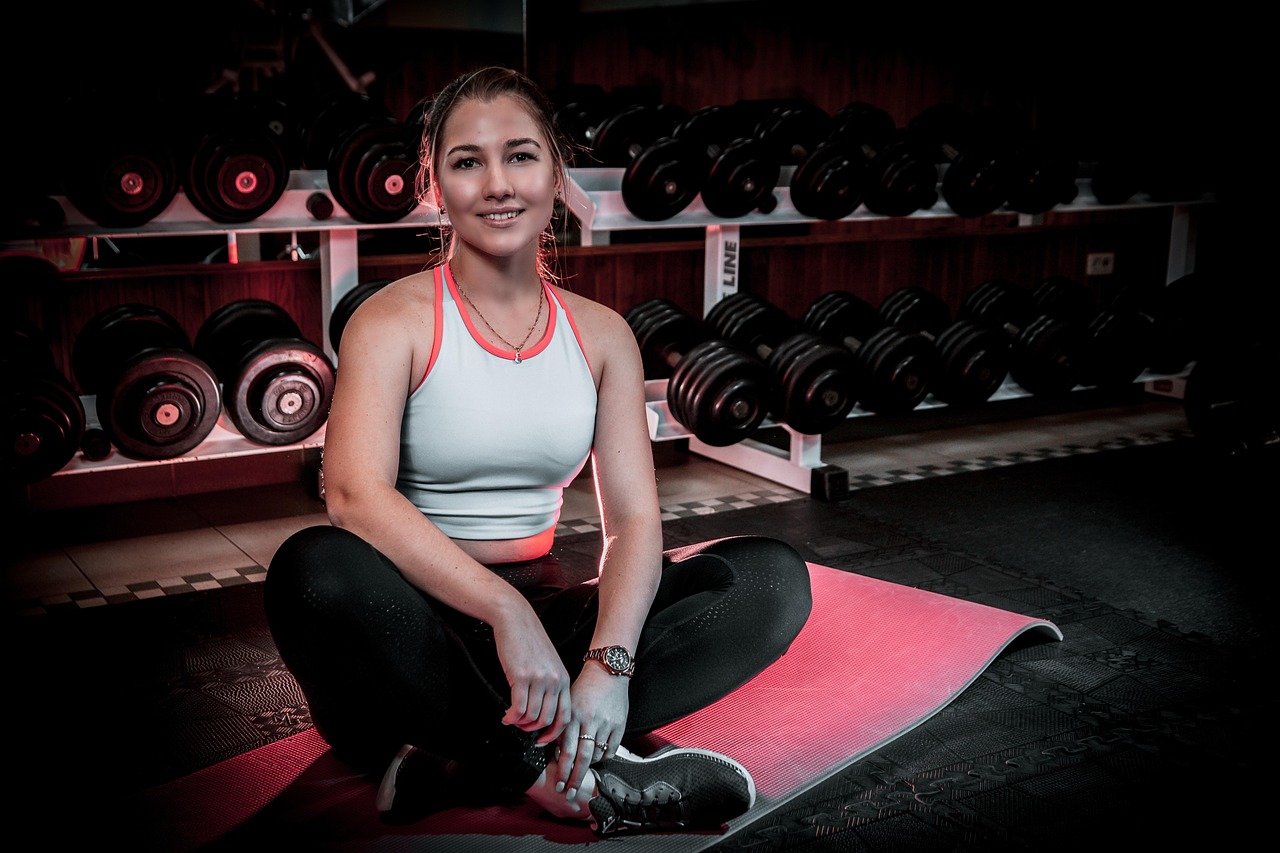

Preventing Injuries: The Role of Fitness in Supporting Ergonomic Postures
In today’s fast-paced world, the significance of maintaining proper posture cannot be overstated. Prolonged periods of sitting can lead to various health issues, such as back pain and musculoskeletal disorders. Engaging in regular fitness activities can greatly enhance one’s posture, thereby reducing the risk of injuries associated with poor ergonomics at work or home. Incorporating strength training is essential, as strong core muscles provide stability and support for the spine. Flexibility is equally important, as stretching allows for improved range of motion, which helps maintain an ergonomic position. Additionally, aerobic exercises enhance overall fitness and endurance, making it easier to hold proper postures for extended periods. Balancing these activities contributes not only to physical health but also mental well-being. Ultimately, fitness serves as a powerful ally in preventing injuries linked to poor posture by strengthening muscles and improving flexibility. Adopting a holistic approach that integrates various fitness elements into daily routines can lead to remarkable improvements in posture and, therefore, overall health. This article will delve deeper into each component of fitness that contributes to better posture and ergonomics.
The Importance of Core Strength
Core strength is one of the pivotal components that influence posture and ergonomics. Strong core muscles are vital for supporting the spine, thereby minimizing the risk of injuries. When engaging in daily activities, individuals with robust core strength find it easier to maintain proper posture, whether standing or sitting. Core stability allows for effective weight distribution throughout the body, reducing strain on the back and neck areas. Furthermore, a well-developed core enhances balance and coordination, which are essential when transitioning between sitting and standing or performing tasks that require bending or twisting. Implementing a core-strengthening routine can involve a variety of exercises, such as planks, bridges, and abdominal crunches. It’s key to focus not just on the superficial muscles but also the deeper stabilizing muscles. As a result, the body becomes more resilient to fatigue and stress. Over time, enhancing core strength translates to better posture, decreased risk of injuries, and improved functionality in daily life. Integrating these exercises into a regular fitness regimen can create a solid foundation for ergonomic health, enabling individuals to thrive with less discomfort.
In addition to core strength, flexibility is another critical aspect of enhancing overall posture and ergonomics. A flexible body allows for a wide range of motion, making it easier to perform daily activities without discomfort or stress. Regular stretching exercises can alleviate muscle tension, which often results from prolonged poor posture. Focusing on major muscle groups like the hamstrings, hip flexors, and chest is essential for maintaining a well-aligned body. Yoga and Pilates are particularly effective in improving flexibility, as they emphasize the importance of posture and alignment. Moreover, these practices also promote mindfulness, leading to greater awareness of body movements, which can help individuals correct postural misalignments. Stretching routines can be easily integrated into daily schedules, reducing the time spent in static positions. Improving flexibility not only enhances aesthetic appeal but also supports healthier movement patterns, thus minimizing the risk of developing musculoskeletal disorders. By prioritizing flexibility alongside strength training, individuals can create the right conditions for optimal ergonomic posture, leading to a more productive and pain-free lifestyle. Ultimately, a flexible body positively contributes to superior performance in both professional and personal arenas.
Aerobic Fitness and Posture
Aerobic fitness plays a commendable role in supporting good posture and ergonomics. Engaging in cardiovascular activities boosts overall health and endurance, vital for maintaining prolonged periods of good posture. Aerobic exercise improves circulation, which assists in delivering necessary nutrients and oxygen to muscles involved in holding proper postures. When one is physically fit, fatigue sets in at a slower rate, allowing individuals to sustain better posture throughout their workday. Activities such as running, cycling, or swimming can increase heart rate while offering muscular benefits that enhance performance during daily activities. Given that poor posture can result from fatigue, incorporating aerobic exercises into a regular fitness routine can counteract the adverse effects of sitting or standing for too long. Furthermore, cardiovascular workouts engage multiple muscle groups, promoting overall physical balance needed to carry out tasks efficiently. As aerobic fitness improves, not only can individuals expect to see reductions in soreness, but they will also experience increased energy levels. Thus, including aerobic components in a fitness plan cultivates resilience against the challenges posed by modern lifestyles and enhances the ability to maintain optimal ergonomic positions throughout each day.
Incorporating weight training into your fitness regime also plays a significant part in promoting better posture. By strengthening the muscles responsible for supporting the spine, weight training contributes to the overall alignment of body structures. Strong, well-balanced muscles allow the body to execute movements with proper form, minimizing the strain on ligaments and joints. It’s crucial to focus on exercises that target the back, shoulders, and hips, as these areas have a direct impact on posture. Weightlifting techniques should emphasize proper form to prevent injury while enhancing the effectiveness of each exercise. Beginners should seek guidance from a qualified trainer to establish a solid foundation for lifting techniques. Train progressively by gradually increasing weights to foster strength development while minimizing the risk of injury. Moreover, consider cable machines and resistance bands, which can be great alternatives for those hesitant to lift free weights. Over time, this strength training builds lean muscle mass essential for good ergonomics, which supports the spine effectively. Participants engaged in consistent weight training find that their improved strength leads to reductions in chronic pain and discomfort associated with poor posture.
The Role of Mindfulness in Posture
Mindfulness is an often-overlooked component that complements fitness and elevates posture and ergonomics significantly. Practicing mindfulness encourages individuals to become aware of their body positions throughout the day. By being conscious of posture, individuals can correct slouched or misaligned postures before they lead to injuries. Integrating mindfulness into everyday activities such as typing, sitting in meetings, or driving can facilitate improvements in ergonomics. Mindfulness training can also incorporate breathing exercises, which help to reduce tension in the body and promote relaxation. Techniques such as deep breathing enhance muscle relaxation, allowing individuals to hold better postures naturally. Furthermore, body scan meditations enable individuals to tune in to areas of tension, creating opportunities for correcting alignment issues. Sessions that focus on relaxation may combine movement and stretching alongside mindfulness practices, offering a comprehensive approach to better posture. Ultimately, cultivating mindfulness takes practice, nurturing an intuitive understanding of how posture and movement affect overall well-being. By marrying mindfulness with physical fitness efforts, individuals will experience enhanced body awareness, resulting in proactive posture management and injury prevention.
Lastly, adopting a well-rounded approach that combines fitness, knowledge, and ergonomics is essential for long-term health. Understanding the connection between fitness and posture empowers individuals to take charge of their physical well-being proactively. Providing ergonomic furniture and accessories in workplaces can further support posture, such as standing desks or supportive chairs that encourage correct alignment. Alongside physical supports, continuous education about proper ergonomic practices can lead to behavioral changes that reinforce core principles. For instance, alternating between sitting and standing breaks can alleviate stress on the body, promoting circulation. Additionally, employee wellness programs that prioritize fitness activities can greatly influence an organization’s culture and enhance overall productivity. Incorporating lessons about fitness and ergonomics into holistic workplace wellness plans fosters a supportive environment for improving posture. As both employees and employers recognize the value of healthy posture, productivity levels increase, alongside overall satisfaction. Implementing a full spectrum of strategies ensures that poor postures don’t develop into chronic issues that affect quality of life. Ultimately, the collective commitment to maintaining healthy postures creates a win-win scenario for individuals and organizations alike.
Conclusion
In conclusion, fitness is integral to supporting ergonomic postures and minimizing injury risks. With core strength, flexibility, aerobic fitness, weight training, and mindfulness as crucial components, individuals can establish habits that promote spinal health. Prioritizing these aspects creates a strong foundation for preventive measures against poor posture-related injuries. Fitness practices shape not only physical resilience but also mental sharpness and emotional health. Providing access to fitness resources and tools in various environments enhances quality of life while encouraging proactive engagement. Rising awareness regarding the importance of fitness should encourage individuals to prioritize their well-being actively. Additionally, organizations should consider offering workshops or seminars to educate their teams about the dynamic relationship between fitness and ergonomics. By cultivating a better understanding of how to maintain proper posture, people can enjoy lasting health benefits. The path to improving posture begins with fitness, ultimately leading to higher productivity levels and overall happiness. Every individual holds the power to make positive changes in their lives through fitness and a commitment to ergonomics. Embrace fitness as a lifelong journey for better posture and a healthier, more vibrant life.