
The Impact of Alcohol on Muscle Recovery and Growth
Alcohol consumption can significantly affect muscle recovery and growth in ways that many fitness enthusiasts may not realize. While celebrating milestones or unwinding after a workout, many overlook how alcohol dehydrates the body. Dehydration impairs recovery by inhibiting nutrient absorption as well as muscle protein synthesis. Furthermore, it can lead to inflammation, which resonates negatively throughout the body. Studies suggest that alcohol affects sleep quality as well, leading to poor recovery and muscle fatigue. Adequate sleep is essential for muscle growth and repair, and compromised sleep patterns, as caused by alcohol abuse, could disrupt hormonal balance. Hormones like testosterone and growth hormone are crucial for muscle growth; decreased levels can stall progress. Thus, understanding the timing of alcohol consumption in relation to workout sessions becomes imperative. Reducing or eliminating alcohol intake can enhance performance, allowing your body to maximize its recovery potential. In particular, opting for hydration practices and nutrition that amplify recovery should be prioritized over celebrating with drinks. This article explores how various aspects of alcohol consumption impact muscle recovery and looks at strategies to promote effective recovery without compromising gains.
Alcohol affects an individual’s metabolic rate and energy levels, playing a crucial role in muscle recovery. Consuming alcohol alters glucose metabolism, which is vital for energy storage during recovery phases. Lower glucose levels lead to decreased muscle glycogen replenishment. Reduced glycogen availability may hinder a person’s overall workout performance and can even lead to muscle fatigue. It is essential to understand how these factors work together; since energy levels dictate workout quality and intensity, underperforming in one workout can snowball into a series of subpar sessions. Additionally, alcohol increases cortisol levels, a stress hormone that promotes muscle breakdown. Elevated cortisol counters muscle growth, making recovery after intense resistance training harder to achieve. For athletes focusing on muscle growth, it’s vital to remember that excessive alcohol can counteract hard work in the gym. Furthermore, the nutritional profile of alcohol yields empty calories, providing no essential nutrients for recovery. Prioritizing proper nutrition post-workout is fundamental for muscle repair, and it’s clear that alcohol does not contribute positively in this regard. So, consider your drink choices wisely for the best recovery strategies and muscle growth outcomes.
How Alcohol Impacts Protein Synthesis
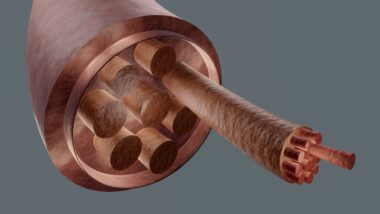
Understanding alcohol’s effect on protein synthesis is crucial for anyone aiming to build muscle. Protein synthesis refers to the process by which muscles rebuild and grow stronger after they have been subjected to strain. Alcohol consumption inhibits the mTOR pathways that play an essential role in muscle protein synthesis. This protection against muscle growth can severely impact your training regimen, especially after hard workouts when the body is primed to recover. The degree to which muscle protein synthesis decreases can vary based on the amount of alcohol consumed. Studies have shown that drinking alcohol shortly after a workout can lead to a higher impairment rate compared to delayed consumption. This carries immense implications for endurance and strength training as recovery hinges on protein availability in the post-workout window. Moreover, relying on alcohol can create hormonal fluctuations that undermine progress toward fitness goals. Thus, athletes should consume protein-rich meals instead of alcohol soon after training sessions to promote better recovery. Proper nutrition can mitigate alcohol’s negative impacts on muscle growth while preserving the gains made in the gym.
The timing of alcohol consumption relative to workouts can influence muscle recovery significantly. Athletes interested in optimizing their performance must take into account that drinking right before or after a workout is inadvisable. The immediate post-workout window is designed for replenishing nutrients and repairing microscopic muscle tears. Consuming alcohol during this window can disrupt this recovery phase. Strategies for effective timing involve minimizing or avoiding alcohol consumption in at least a few hours prior to crucial training sessions and afterward. If you choose to indulge, try scheduling it on rest days to avoid hindering performance. This approach allows more flexibility while keeping muscle goals on track. Additionally, maintain hydration status; balancing alcohol with ample water will help to offset its dehydrating effects. Creating a recovery plan that includes adequate hydration, nutrient timing, and limited alcohol will prioritize muscle recovery and performance enhancement. It’s about being strategic with lifestyle choices, ensuring you can still enjoy social occasions without sacrificing hard-earned gains. Making educated decisions around alcohol intake can lead to improved muscle recovery and thus support better muscle growth overall.
Long-term Effects of Alcohol on Muscle Adaptation
Beyond immediate recovery, long-term alcohol consumption presents dangers to muscle adaptation and growth. Chronic drinking can lead to a decrease in muscle mass over time, significantly impacting aesthetic and performance goals. Alcohol-induced inflammation can hinder overall physical adaptation, leading to sluggish growth. This results from a combination of hormonal regulation failures and nutrient absorption issues, both necessary for a caliber of muscle growth and overall health. A failure to adapt means slower progress toward fitness goals, dissatisfaction with physique due to constant setbacks, and, in some cases, shorter careers in competitive sports. Lifelong habits can become ingrained, leading to reliance on alcohol as part of a social cycle despite its detrimental effects. If you’re serious about muscle building, consider the long-term consequences your choices may entail. Employing a structured plan that focuses on reducing alcohol intake may be necessary to curb its adverse impacts while facilitating muscle adaptation and growth. Emphasizing a proactive approach to muscle recovery, nutrition, and wellness can ultimately support sustained gains in strength and size.
It is crucial to educate oneself about mindful drinking in the fitness realm. Many athletes overlook the importance of moderation when it comes to alcohol consumption. A comprehensive approach to muscle growth incorporates knowledge, careful planning, and mindfulness about beverage choices. The concept of mindful drinking encourages participants in fitness communities to assess the regularity and quantity of alcohol consumption. This evaluation could involve discussing behavioral habits, counting drinks, and recognizing triggers that lead to excess drinking. Having a strong support system may lead to healthier lifestyle choices, thus prioritizing muscle recovery and growth positively. Regular discussions on this topic could inspire others to analyze their habits too. For athletes, the goal is to build muscle without compromise, and understanding the impacts of alcohol helps in maintaining focus on personal goals. Furthermore, developing positive relationships with food and drink may lead to better choices. Doing so can elevate performance and enhance recovery outcomes while revealing a more effective practice in optimizing overall health. Commit to being mindful in choices and watch how muscle growth and recovery improve accordingly.
Conclusion: Making Informed Choices
Making informed choices regarding alcohol consumption can lead to better muscle recovery and growth. Athletes and fitness enthusiasts need to recognize the impact that their drinking habits have on their performance and progress. Modifying or reducing alcohol intake can improve recovery outcomes significantly, creating a solid foundation for ongoing muscle-building efforts. Incorporating more nutritional options over alcohol can yield better results, praying into an enhanced training experience. Gradually evaluating your drinking patterns and being self-aware of their effects can facilitate improvements in how your body responds after workouts. Choose to prioritize hydration, nutrient-rich foods, and recovery strategies that align with your muscle growth goals. Research products and practices that promote optimal recovery, employing them regularly to compound gains. In essence, this balance allows participants to enjoy life while still pursuing fitness endeavors. Understanding the consequences of alcohol on muscle recovery should not instill fear but empower individuals to craft their fitness journeys. Shift the focus to what nourishes your body and supports your workouts, and embrace healthier financial and personal choices associated with alcohol. With a thoughtful approach, growth can thrive alongside celebrations.
In summary, the relationship between alcohol consumption and muscle recovery is complex yet significant. Many individuals may not realize how drinking can hinder exercising outcomes and overall results. By understanding the metabolic effects and how alcohol affects protein synthesis, nutrition, and long-term adaptation, one can refine their approach to fitness and health. Being strategic and making informed choices surrounding alcohol helps promote effective muscle recovery and support growth in the long run. By fostering mindful drinking habits while engaging in regular workouts, athletes can protect their hard-earned gains and create an environment for success. Commit to comprehensive self-assessment and adaptation to see improvements in performance and overall satisfaction with athletic goals. Understanding that alcohol is not just a minor player but a significant factor can transform a fitness journey and highlight the need for personal responsibility. Embrace hydration, listen to your body, and make better decisions regarding when and how much you drink. Adopting these practices creates a healthier relationship with alcohol, ultimately supporting your quest for muscle growth. After all, fitness is not just about the exercise; it’s equally about the lifestyle choices made alongside it.