
Common Postural Problems and How Functional Fitness Helps
Posture is a crucial aspect of overall health, often overlooked in today’s sedentary lifestyle. Common postural problems such as forward head posture, rounded shoulders, and lower back pain affect many individuals. These issues stem from prolonged sitting, improper ergonomics, and a lack of physical activity. Forward head posture occurs when the head juts forward, straining neck muscles and leading to pain. Rounded shoulders often develop from hunching over electronic devices, while lower back pain can be attributed to muscle imbalances and sedentary habits. At times, these problems can lead to more severe health issues, including chronic pain and decreased mobility. It is essential to address these problems through effective posture correction exercises. Functional fitness focuses on exercises that mimic everyday activities, promoting proper alignment and strength. Incorporating exercises that target the core, back, and shoulder muscles helps counteract the negative effects of poor posture. Incorporating these exercises into daily routines can significantly improve posture and enhance overall well-being. Additionally, adopting good ergonomic practices while working can help alleviate postural problems, creating a more comfortable and healthy lifestyle in the long run.
Understanding postural problems facilitates better prevention and treatment. One of the primary issues affecting posture is muscular imbalances, which occur when certain muscles become too tight or too weak. For example, tight chest muscles can lead to rounded shoulders, while weak back muscles can exacerbate this issue. These muscle imbalances result from repetitive movements or prolonged static positions and need to be corrected. Functional fitness addresses these imbalances by focusing on overall body conditioning through balanced workouts. This approach involves exercises that incorporate multiple joints and large muscle groups, focusing on core strength, flexibility, and balance. By using functional fitness techniques, individuals can strengthen weak areas while stretching tight muscles, improving posture effectively. Additionally, functional fitness emphasizes body awareness, helping individuals recognize their posture during daily activities. Strengthening the core is particularly important for maintaining a stable posture. Exercises like planks, bridges, and rotational movements enhance core strength while promoting better alignment. Furthermore, integrating flexibility exercises into a fitness routine will help keep muscles long and relaxed, preventing the tightness that contributes to poor posture. Therefore, understanding and addressing postural problems through functional fitness can lead to lasting improvements.
Why Functional Fitness Matters
Functional fitness emphasizes training the body for the activities performed in daily life, making it especially effective for addressing posture-related issues. Traditional gym workouts may isolate muscles, failing to incorporate the necessary stabilization and coordination required for daily movements. In contrast, functional fitness promotes modular training, which highlights how various body parts work together. This holistic approach is particularly effective for improving posture, as it emphasizes strength, balance, endurance, and flexibility in conjunction with proper movement patterns. Correcting postural problems requires more than just strength; it demands an understanding of how to align the body and engage the right muscle groups during physical activities. In functional fitness routines, exercises such as squats, lunges, and rotational movements engage muscle groups similarly used in daily activities, reinforcing proper body mechanics and encouraging muscle engagement from the core outwards. Furthermore, incorporating functional fitness into daily life can also lead to increased energy levels and reduced stress, as physical activity boosts endorphins. Overall, functional fitness provides a comprehensive solution for those struggling with postural problems, addressing the root causes through practical and applicable exercises.
Another significant postural problem faced by many is anterior pelvic tilt, characterized by an excessive forward tilt of the pelvis. This condition changes the spine’s curvature and can lead to discomfort in the lower back. Anterior pelvic tilt can be caused by a combination of tight hip flexors and weak gluteal muscles. Regular practice of functional fitness exercises can help correct this imbalance effectively. For instance, targeted workouts like hip flexor stretches and glute bridges may effectively reduce tension while enhancing strength. Additionally, functional fitness techniques such as kettlebell swings or deadlifts can activate the correct muscle groups, promoting better pelvic alignment. Maintaining a neutral pelvic position throughout moves reinforces the importance of body mechanics during exercise and everyday activities. Individuals may also benefit from mindful posture correction throughout their day. For instance, being conscious of one’s sitting position during work hours can lead to better overall alignment down the line. Combining both awareness of posture in daily life with functional fitness routines can significantly improve pelvic alignment, resulting in a healthier posture and ultimately, an enhanced quality of life.
Another prevalent issue influencing posture is hyperlordosis, which is an excessive inward curvature of the lumbar spine. This condition often results from prolonged periods of sitting without adequate support. Individuals suffering from hyperlordosis may experience discomfort in the lower back and difficulty maintaining standing or sitting positions. Functional fitness exercises can alleviate hyperlordosis by emphasizing proper alignment and strengthening key muscle groups. Exercises that target the core, glutes, and lower back can help counteract the excessive curvature. Utilizing movements like pelvic tilts, deadlifts, and modified sit-ups effectively engages the core while relieving pressure on the lumbar spine. Furthermore, by developing a well-rounded fitness routine that includes strengthening along with mobility work, individuals can promote better overall spine health and ingrain sustainable posture habits. Body awareness during daily activities also plays a vital role in managing hyperlordosis. Simple reminders to engage core muscles while standing or walking create lasting change in muscular engagement. Ultimately, addressing hyperlordosis through functional fitness provides individuals with effective tools necessary for improving their posture efficiently.
The Role of Flexibility in Posture
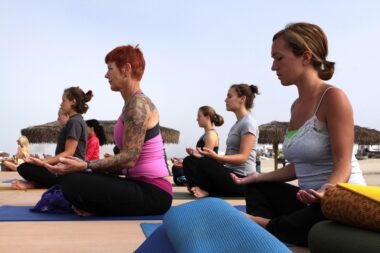
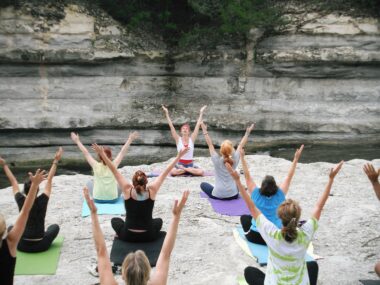
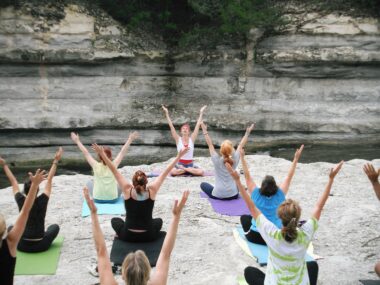
Flexibility is another key component in maintaining good posture and correcting existing problems. A wide range of motion in the muscles and joints facilitates proper alignment, allowing the body to function optimally. Flexibility issues can lead to tightness in certain muscle groups, exacerbating postural problems. Functional fitness routines that incorporate dynamic stretching target muscle flexibility and support overall alignment. A focus on flexibility can decrease discomfort and rigidity, which is essential for postural improvements. Additionally, yoga and Pilates are excellent additions to functional fitness, offering various stretching techniques designed to enhance flexibility and relaxation. These disciplines integrate movements that engage different muscle groups in a controlled manner while promoting body awareness. For instance, postures like downward dog, cobra stretch, or seated forward folds can enhance hip and spinal flexibility. By integrating flexibility training into functional fitness routines, individuals can address the tightness directly causing poor posture. Furthermore, a dedicated focus on flexibility allows individuals to enhance their movement quality in other realms of fitness, ultimately leading to better posture and overall functional health.
Maintaining proper posture during exercise is just as important as adopting it in daily life. Training with correct form is essential for preventing injuries and achieving the desired fitness outcomes. Functional fitness emphasizes training in a way that prioritizes form and body awareness. This approach instills a deep understanding of how the body moves, which is crucial for executing exercises correctly. Engaging throughout the body while maintaining alignment reduces the risk of strain on individual joints or muscle groups. While performing exercises such as squats or push-ups, individuals can train their bodies to work in unison. Through the principles of functional fitness, individuals learn to maintain appropriate posture not only in exercise but also in daily activities. This transfer of knowledge fosters a habit of mindfulness throughout life. Therefore, working with a personal trainer or participating in group classes focusing on functional fitness can offer individuals valuable feedback and adjustments, reinforcing proper form. By prioritizing correct posture during workouts, individuals are empowered to build strength and stability, leading to lasting postural improvements over time. Individuals can ultimately achieve a balanced and healthier posture through ongoing practice and mindful awareness.