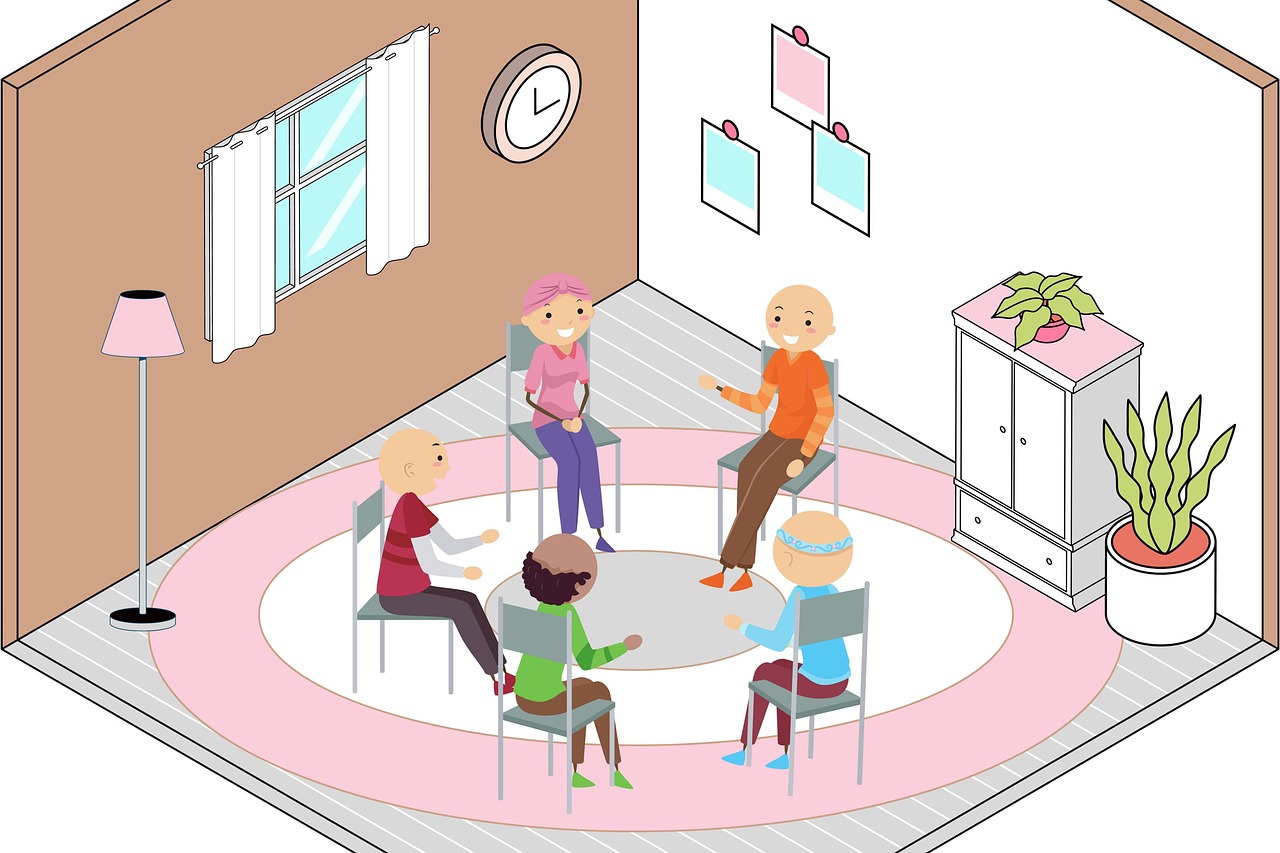

How to Support a Loved One in an Eating Disorder Support Group
Supporting a loved one in an Eating Disorder Support Group is crucial for their recovery journey. Understanding what they are going through is important for you and them. Learning about different eating disorders will help you become a more effective ally. This may include understanding the emotional, physical, and psychological aspects of the disease. Encourage your loved one to share their feelings and experiences, as this can lead to a deeper understanding of their struggles. You might attend a few support group meetings yourself, as this can provide insights into the challenges they face. Associating with others in similar situations can help normalize their experience and reduce feelings of isolation. It’s also beneficial to educate yourself about recovery programs, including dietary and therapeutic interventions. Remember, you are not solely responsible for their recovery, so practice self-care too. It is vital to maintain your wellbeing while providing support. Open communication fosters a trusting environment which can aid in their healing process and underscore your presence in their journey toward recovery.
Listen to Your Loved One’s Needs
When trying to support someone in an Eating Disorder Support Group, active listening is essential. Let them express their thoughts and feelings without judgment. Empathy can significantly impact their recovery as it encourages them to open up. Sometimes, they might just need someone to vent or discuss their concerns. Validate their feelings by acknowledging the difficulty they face, rather than dismissing them. Avoid offering unsolicited advice; instead, ask them what they need from you. Some may crave companionship, while others might prefer solitude. During discussions about food, body image, or recovery challenges, remain sensitive to their feelings. It may help to create a safe space where they feel comfortable sharing personal thoughts. Offer reassurance that it’s okay to struggle; recovery is not linear. Encourage them to focus on the positive steps they are taking, however small. Participate in activities they enjoy or find relaxing to help take their mind off their struggles. Seek guidance from support resources to become more educated, which can enrich your understanding of the context. This will ultimately fortify the support you can provide.
Encourage Attending Therapy
It is important to encourage your loved one to attend therapy regularly. Therapy provides invaluable tools and coping mechanisms that can be beneficial. If they are hesitant about attending sessions, engage with them about their feelings toward therapy. Explore any fears or anxieties they may have related to seeking professional help. You might suggest they accompany you to a consultation, to lessen apprehension. Additionally, highlight the benefits of therapy, such as improved self-esteem and healthier thinking patterns. Offer to assist them in setting up appointments if they’re comfortable. Assessing the type of therapy can also make a difference, including individual or group sessions. Remind them that seeking help is a sign of strength. As they progress, celebrating their successes, whether big or small, can enhance motivation, providing a sense of achievement. Let them see that recovery is attainable, but journeys may differ greatly between individuals. Be a patient and loving partner in their healing process. Consistent encouragement can empower them to overcome obstacles while building resilience and fostering a healthier self-image.
Join Support Activities Together
Joining support activities can significantly enhance the recovery process for someone in an Eating Disorder Support Group. Participating in these activities can foster bonding and provide a shared experience. Group workouts or mindfulness classes, like yoga or meditation, create a positive environment. Activities that shift the focus away from food and body image can be particularly beneficial. Volunteering for community service is a great way to promote self-worth while building new friendships. Together, you can explore art therapy or cooking classes that emphasize healthy practices without the pressure. Moreover, making efforts to engage in fun outings can introduce joy into their lives. Strive to create new memories based on experiences rather than focusing solely on meals. Remember, focus should not be on calories but on cultivating joyful moments. Ensure these activities align with their comfort levels and boundaries. This mutual engagement provides companionship and reaffirms your support. Having fun while doing healthy activities can serve as a crucial distraction from negative thoughts and reinforce their determination to recover.
Maintain Open and Honest Communication
Open and honest communication can significantly strengthen your connection with your loved one battling an eating disorder. Validating their feelings through constructive dialogue allows them to express themselves freely. Encouraging regular check-ins enables you to stay informed about their emotional state. Address topics related to their experience gently, ensuring to respect their boundaries. This prompts them to share more, reinforcing their belief that their voice is valuable. Be observant regarding signs of distress, and affirm that they can always approach you whenever needed. Honesty also includes sharing your feelings; express your concern but do so without placing blame or inducing guilt. Always prioritize their emotional well-being over your discomfort. Highlight the progress they’ve made, reminding them occasionally of the journey they are on. Moreover, be aware that each person’s recovery process is unique; ensure to tailor your approach to their needs. Open a dialogue about discussing triggers and possible solutions without judgment. Through effective communication, trust is fostered, making it easier for the individual to express difficult emotions central to their struggle with the disorder.
Be Patient and Understanding
Patience and understanding are vital qualities when supporting a loved one dealing with an eating disorder. Recovery can be a lengthy and arduous journey, often filled with setbacks. It is essential to remain compassionate and empathetic, even when frustrations arise. Recognize that your loved one might not always be aware of their progress, or they might feel overwhelmed by their circumstances. Your encouragement can play a crucial role in reminding them of their strength and resilience. Encourage them to be patient with themselves as this battle is often a winding road, not a direct route. Foster a nurturing environment where they feel safe to express their struggles. Highlight their strengths by employing positive reinforcement on the little accomplishments, as motivation stems from recognizing these victories. Understanding means being present even during moments of difficulty, further solidifying your support role. Offer a listening ear or a comforting presence as they navigate these challenges. Your unwavering support reinforces their commitment to recovery. Cultivating patience fosters trust and leads to a more profound connection throughout their recovery journey.
Seek Additional Resources
Seek additional resources to enhance your support for a loved one involved in an Eating Disorder Support Group. Find educational materials that explain the various eating disorders, as knowledge can empower you and your loved one. Books, podcasts, and online articles provide valuable insights into the complexities of eating disorders. Connecting with other support networks can also make a difference. Consider local or online forums where you can share experiences and obtain more tips on being supportive. Visiting a registered dietitian who specializes in eating disorders can provide licensed guidance, if appropriate. Suggest attending workshops or family sessions offered by therapists, where you can learn together about the recovery journey. Encourage participation in community-based support programs for both your loved one and yourself, to help cope with the situation. Furthermore, consider arranging family therapy sessions to address collective struggles and emotions. Your willingness to seek out resources showcases your commitment to their recovery, making them feel less isolated. This dedication can foster greater understanding and strengthen your bond as they navigate healing.
Utilize Positive Reinforcement
Positive reinforcement is an essential aspect of supporting a loved one in an Eating Disorder Support Group. Acknowledging their efforts and small victories encourages them to stay engaged in their recovery. Always celebrate their wins, regardless of size, as these moments bolster their motivation. This can include recognizing consistent attendance in therapy sessions or attempts at cooking healthy meals. Express praise for their honesty and courage, as they navigate their challenges. Active encouragement can reinforce their commitment to self-improvement. Whenever possible, avoid any language that comes across as critical or judgmental; instead, be tactful in your feedback. Focus on the effort rather than the outcome. Furthermore, using positive affirmations can instill confidence and foster hope. Regularly remind them of their strengths and the unwavering support you provide. Together, create an inspiring environment that fosters resilience. Engage in activities that build self-esteem and facilitate a more positive outlook. Associating their efforts with positive reinforcement allows them to understand that their attempts are valued and meaningful. As they continue to progress, your sincere encouragement can deeply influence their recovery journey, instilling hope and persistence.