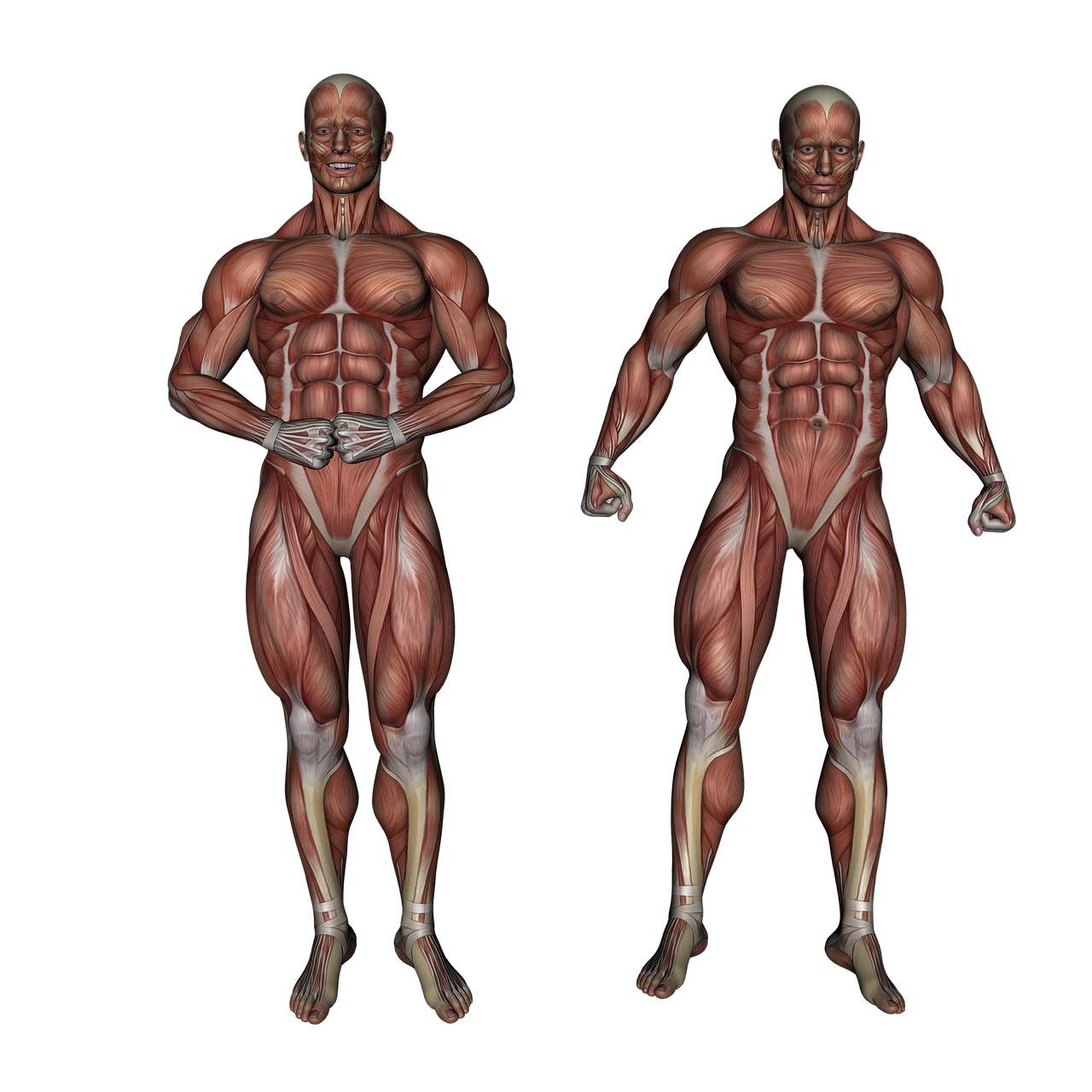

The Interplay Between Core Muscles and Hip Stability
The core muscles play a pivotal role in stabilizing the body during different physical activities. They encompass a group of muscles that provide support to the spine and pelvis, facilitating movement and maintaining balance. The main components of the core include the transverse abdominis, rectus abdominis, obliques, and multifidus. These muscles contribute to the overall stability, which is essential for posture, coordination, and power generation. When engaging in various movements such as running, jumping, or even standing, the core muscles contract to stabilize the body. This stabilization promotes proper alignment of the pelvis and spine, reducing the risk of injury. Furthermore, strong core muscles support the hips, as they are intricately linked. A well-conditioned core allows for effective transferring of forces through the kinetic chain, impacting overall performance in physical activities. In athletes, maintaining core strength is crucial, as it directly influences athletic performance, particularly in sports that require rapid motions and changes in direction, such as football or basketball. Effective core strengthening exercises can contribute to improved hip stability.
Understanding the anatomy of core muscles is essential for anyone interested in enhancing their physical fitness. The core comprises deep and superficial layers of muscles, each serving distinct functions linked to stability and mobility. The deep core muscles include the transverse abdominis, which acts like a natural corset. The rectus abdominis, commonly known as the ‘six-pack,’ plays a role in trunk flexion and stability. The obliques are responsible for rotational movements and side bending. Finally, the multifidus muscles support spinal alignment and control. These muscles work together, forming a central hub that coordinates movements, ensuring optimal performance in daily activities. When the core muscles are well-developed, they initiate movements accurately while providing stability to the hips and pelvis. This stability allows for smooth and controlled movement patterns, particularly during physical exertion. By recognizing the anatomy and function of these muscles, individuals can implement targeted exercises that enhance core stability. Exercises such as planks, bridges, and bird dogs effectively strengthen the core and consequently improve hip stability, decreasing injury risks during physical activities.
The Relationship Between Core Strength and Hip Stability
Core strength is closely linked to hip stability, playing a crucial role in functional movement. When the core muscles are weak or underactive, the hips may become unstable, leading to inefficient movements that can result in injury. This is particularly evident in athletes who often engage in high-impact sports. An unstable core fails to provide the necessary support for controlled hip movements, leading to compensatory patterns that strain other joints. This can manifest as knee pain, lower back pain, or hip discomfort. Conversely, strong core muscles promote proper hip function and stability, enabling an athlete to maintain balance and coordination during dynamic activities. Research has shown that athletes with a robust core tend to demonstrate better hip stability during various sports. For instance, implementing core training programs can significantly enhance stability in sports like soccer and running, where the hips undergo repeated movements. This enhanced stability reduces injury risk and boosts overall performance. Incorporating exercises targeting both core and hip muscles can yield substantial benefits for improved athletic performance and reduced injury likelihood.
Proper assessment and training methods are essential for optimizing core stability. Implementing functional testing can identify weaknesses in core strength and subsequently hip stability. Tools like the Plank Test and the Side Bridge Test provide valuable insights into core muscle performance. By evaluating how well individuals engage their core muscles, practitioners can tailor specific exercise regimens that cater to their needs. For instance, if an athlete demonstrates weakness in core activation, a structured plan focusing on core strengthening exercises may be developed. Popular exercises may include stability ball rollouts, medicine ball throws, and resistance band work. These activities can be adjusted and progressed based on the athlete’s competency level and training goals. Additionally, integrating mobility work for the hips and lower back can complement core strengthening efforts. Improving flexibility and range of motion supports overall stability and movement patterns while reducing the risk of strains or injuries. Ultimately, a comprehensive approach incorporating assessment, training, and injury prevention is crucial for optimizing core stability and its positive impact on hip function.
Common Core Stability Exercises
To effectively enhance core stability, several exercises can be incorporated into a fitness routine. Planks are one of the most effective exercises for building core strength, targeting multiple muscle groups simultaneously. Variations like side planks and forearm planks increase the challenge and engage different stabilizing muscles. Bird dogs are another excellent exercise, promoting coordination between the core and hip stabilizers. By extending opposite arms and legs, the exercise trains balance and activation of the stabilizing muscles. Other useful exercises include bridges, which particularly target the gluteus muscles while also engaging the core. Furthermore, stability ball workouts can be exceptionally beneficial; performing exercises on an unstable surface forces the core to engage more actively. Additionally, incorporating rotational movements that recruit core muscles, such as Russian twists, can enhance stability further. It’s important to gradually progress in these exercises, increasing the challenge over time to effectively build core strength. Consistency in practicing these movements will yield significant results, reflecting in improved hip stability and overall athletic performance.
Incorporating a well-rounded fitness routine that emphasizes core strengthening may result in long-term benefits for hip stability. Maintaining a strong core allows for efficient force transfer through the limbs, enhancing performance in various activities. Equally, it provides essential support for the skeletal structure, ensuring that all movements are performed safely and effectively. As core training becomes a regular part of an athlete’s training regimen, they may experience noticeable improvements in their overall athletic capabilities. Particularly in sports requiring agility, such as tennis or basketball, a stable core enhances performance outcomes. Studies indicate that athletes with greater core strength tend to display superior balance and stability, significantly influencing their agility and dynamic movements. Moreover, regular core strengthening activities contribute to endurance, enabling athletes to sustain effectiveness throughout games or practices. It assembles various muscles that work together, producing an efficient force, critical in sports that require quick directional changes. Hence, proper attention to core stability not only optimizes performance but also significantly decreases injury risks resulting from instability during intense physical activities.
Conclusion and Next Steps
In conclusion, the importance of core muscles in relation to hip stability is immeasurable. Comprehensive strengthening of the core not only enhances athletic performance but also serves as a preventative measure against injuries. By understanding anatomy, incorporating the right exercises, and maintaining consistency in training, individuals can realize substantial benefits that extend beyond the gym. Moving forward, it’s recommended to develop a structured training protocol that integrates core and hip stability exercises tailored to personal objectives and physical assessments. Engaging with a qualified trainer may provide valuable guidance, ensuring that the selected exercises target individual weaknesses effectively. Additionally, monitoring progress through functional assessments can help track improvements over time. This holistic approach promotes a balanced and strong core, which is vital for overall health and performance. Adopting practices that prioritize core strengthening is beneficial not only for athletes but anyone pursuing an active lifestyle. Begin with foundational exercises and gradually progress, noticing improvements in stability, performance, and overall wellbeing. Emphasizing core stability will undoubtedly pay dividends, ensuring efficient movement and reduced injury risks in daily activities.