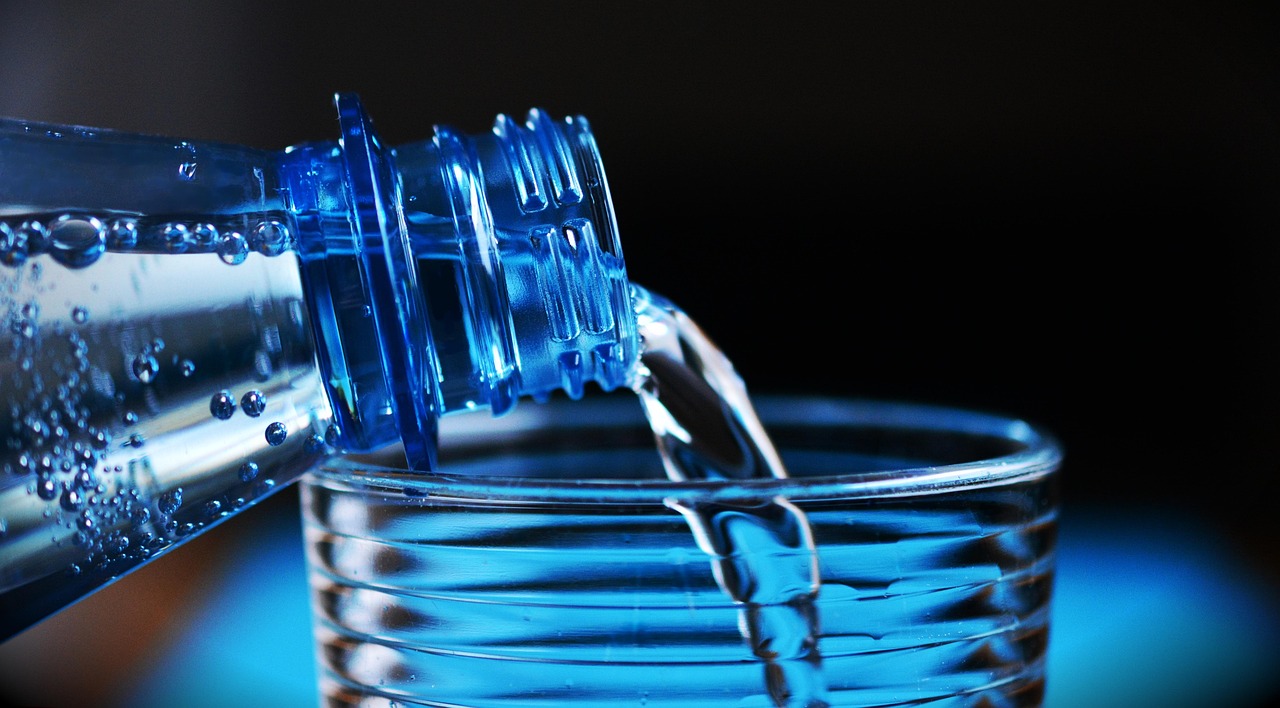

The Importance of Hydration During Intermittent Fasting
Hydration is crucial during intermittent fasting as it directly impacts overall health and well-being. Often overlooked, water intake can play a significant role in easing the fasting experience. When you fast, you’re not just abstaining from food; your body also undergoes various metabolic changes. These adjustments can lead to dehydration if not monitored. Water helps in numerous bodily functions, such as digestion, nutrient absorption, and detoxification. A well-hydrated body is less likely to experience side effects such as headaches, fatigue, or irritability during fasting periods. It is recommended to drink sufficient water throughout the day, especially during fasting windows. Not only does it help maintain energy levels, but it also ensures that your body continues to function optimally. Including electrolyte-rich fluids may further enhance hydration and support overall health during fasting. Some opt for herbal teas or diluted electrolyte drinks as alternatives. Remember, hydration is not merely about drinking water; it’s about supporting your body’s physiological needs, especially in a fasting state. This foundation helps ease the transition into intermittent fasting and maximizes its benefits, impacting your physical and mental performance.
One effective strategy for maintaining adequate hydration is scheduling specific water intake throughout your fasting window. This can help prevent any sudden drop in energy levels. Start by drinking a glass of water when you wake up, as nighttime fasting can lead to overnight dehydration. Incorporating water-rich foods into your eating periods can also help boost your hydration levels. Fruits and vegetables, such as cucumbers, oranges, and strawberries, can significantly contribute to your overall fluid intake during the eating phase. Additionally, using a water bottle can serve as a visual reminder to drink more water throughout the day. Aim for the recommended intake of at least 8-10 cups of water daily, adjusting based on activity level and individual needs. During fasting, including herbal teas can add variety without calories. It’s essential to listen to your body, and recognize the signs of dehydration, such as dry mouth or dizziness, to respond effectively. Staying adequately hydrated will enhance your fasting experience, making the process more manageable and enjoyable. Understanding the value of hydration in fasting can lead to better decision-making for long-term health, aligning with the principles of intermittent fasting while prioritizing wellness.
During intermittent fasting, electrolyte balance is equally important to maintain hydration. While water is essential, it does not typically provide the minerals your body requires for optimal function. Electrolytes, such as sodium, potassium, and magnesium, play critical roles in muscle contractions, nerve function, and hydration regulation. Low electrolyte levels can lead to symptoms like dizziness, cramps, or headaches, especially when fasting. Opting for electrolyte-enhanced drinks or supplements during your fasting window can help replenish these vital minerals. However, it’s crucial to avoid drinks laden with added sugars or artificial components. Instead, focus on natural sources like coconut water or homemade electrolyte drinks using a pinch of salt and lemon. Maintaining this balance aids the mitigative effects that may arise from fasting and helps maintain energy levels effectively. Practice moderation, ensuring you do not compensate for insufficient food intake with excessive electrolytes, as this may lead to complications. Engaging with a healthcare professional can provide personalized guidance on managing hydration and electrolytes, especially if you have pre-existing health conditions. Prioritizing electrolyte balance keeps you feeling vibrant and capable during your fasting experience.
Implementing mindful hydration techniques can significantly improve your overall fasting journey. Consider enjoying warm lemon water or herbal teas, especially during the morning hours, to kickstart your metabolism gently. Additionally, always carry water with you to ensure that you have ready access to hydration, which can prevent dehydration in busy moments. Keeping track of your fluid intake using apps or journals can help you stay accountable and ensure that you remain on top of your hydration goals. Engage with different types of teas, such as peppermint or chamomile, which hold additional health benefits and help diversify your fluid intake. While remaining mindful, also explore flavoring options, such as infusing water with fruits or herbs, making hydration enjoyable. This can create a habit, transforming the act of drinking water into a pleasurable experience rather than a chore. Keeping hydrated supports your fasting periods, ensuring you maintain energy and clarity. Hydration becomes an essential tool during fasting, allowing you to extend periods without food without discomfort while staying mentally sharp and physically resilient. A consistent hydration strategy can greatly benefit your intermittent fasting experience.
Understanding the role of hydration during intermittent fasting goes beyond mere survival; it includes optimizing health. The balance of hydration impacts your mood, focus, and even your metabolism. Being well-hydrated can enhance your fasting experience, making it easier to adhere to your chosen patterns. However, it isn’t just about drinking water; it’s important to find your hydration sweet spot. Each person’s needs vary based on activity levels, diet, and personal health. The benefits of hydration are numerous, including improved cognitive function and reduced feelings of irritability. Fasting is a practice often accompanied by lifestyle changes that challenge our usual habits. Thus, integrating a systematic approach to hydration could streamline this transition. Create a personalized hydration plan that suits your lifestyle and fasting schedule; experiment and find what works best for you. Listening to your body while adjusting can prevent discomfort and allow for a more extended period without food. Engaging in conversations with fellow fasters or seeking guidance from professionals can further enhance your understanding. Ultimately, hydration is an ally in fasting, supporting a healthy lifestyle transformation.
In conclusion, prioritizing hydration during intermittent fasting lays the foundation for a successful journey. The art of fasting requires not only commitment and discipline but also conscious decisions about what your body needs. Hydration significantly affects your overall physical, mental, and emotional health. Making intentional choices about fluid intake can enhance your fasting experience while minimizing potential drawbacks. Create a daily routine that prioritizes water consumption, especially during fasting periods, to stave off dehydration. It’s essential to leverage hydration not as an afterthought, but as a deliberate part of your fasting regimen. Pair adequate hydration with a balanced diet during eating windows, incorporating plenty of fruits and vegetables known for their water content. As you navigate through intermittent fasting, remember to tailor your approach; dehydration can sneak up on anyone. Implement established hydration practices and stay aware of cues your body sends you. Staying hydrated during fasting not only helps regulate body functions but may also extend the benefits you seek from fasting. Make hydration a central theme of your fasting practice, and reap its generous rewards, enhancing every aspect of your health and well-being.
Hydration tips can transform your intermittent fasting journey into a smoother experience. Always keep a water bottle at hand or set reminders on your phone to ensure consistent fluid intake. Moreover, consider keeping a hydration diary to monitor your water consumption, identifying patterns that could use improvement. Try alternate hydration methods for variety, such as sparkling water, which can satisfy cravings without adding calories. If you find plain water unappealing, herbal infusions can add taste and additional health benefits without breaking your fast. Ultimately, the journey of intermittent fasting is deeply personal; what works for others may not resonate for you. As you embark on this fasting lifestyle, develop a hydration strategy that is adaptable and personalized. Regularly assess hydration’s role in your routine, making adjustments as needed to optimize your health. Balancing hydration and fasting will lead to a more pleasant and less challenging fasting experience. When hydration is prioritized, the supplements go hand-in-hand with fasting, supporting your goals effectively. A well-hydrated body is better equipped to handle the demands of intermittent fasting, leading you toward the lifestyle you desire.