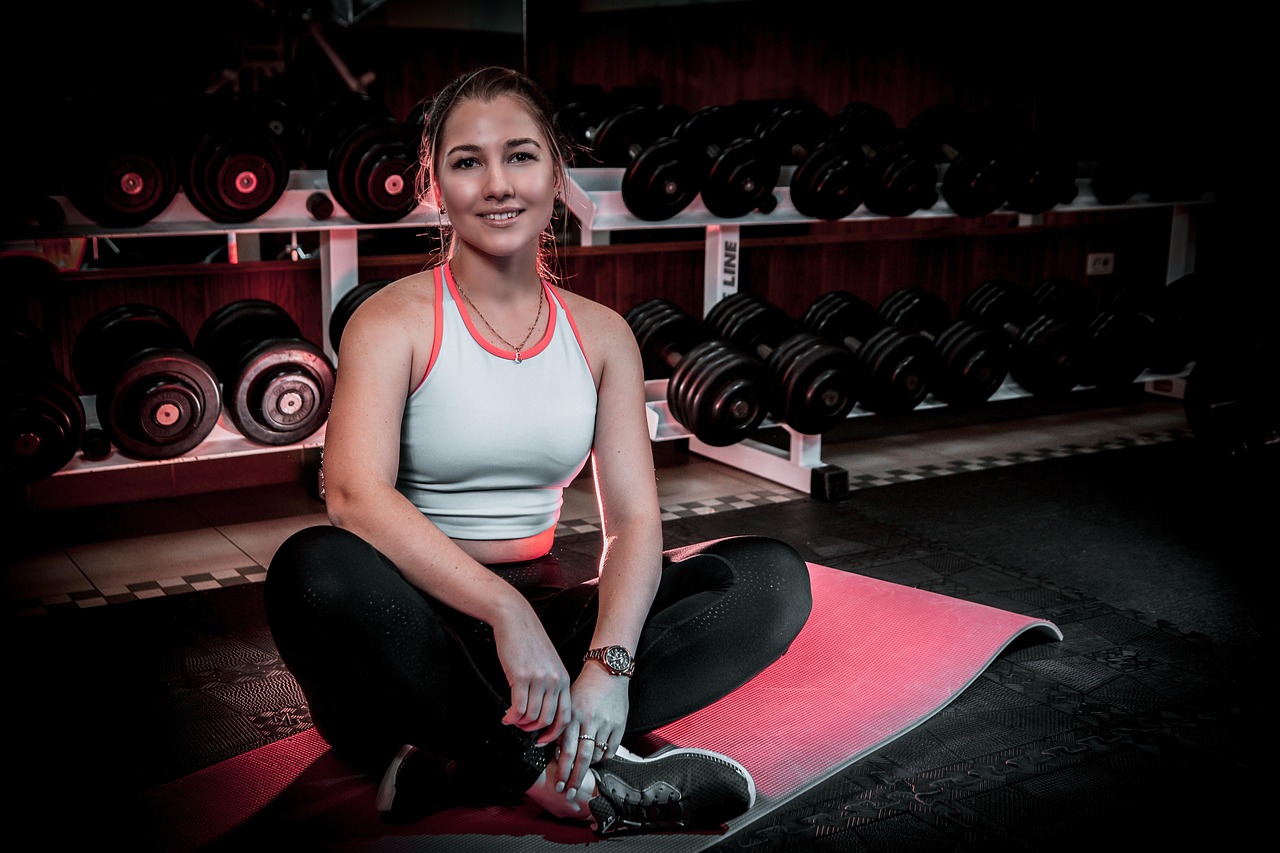

The Impact of Poor Posture on Sports-Related Respiratory Function
Posture plays a critical role in sports performance, and its impact on respiratory function is profound. Athletes often overlook the importance of maintaining proper posture while training or competing. An athlete’s posture influences their lung capacity and overall breathing efficiency, which are essential for sustained performance. When an athlete adopts a slouched or forward-leaning posture, it compresses the lungs and diaphragm. This compression limits the amount of air the lungs can hold, subsequently reducing oxygen intake during physical activities. Moreover, poor posture leads to a chain reaction causing muscular imbalances. These imbalances might impair anatomical alignment, resulting in further respiratory complications. Effective breathing is vital for endurance and recovery, making proper posture indispensable in athletic training. Conditioning programs should incorporate posture assessments to identify deficiencies among athletes. Proper alignment can facilitate optimal craniofacial structure, allowing for improved airflow and breath control. Therefore, sports professionals must educate athletes on how to recognize their posture in both static and dynamic movements. This awareness could contribute significantly to enhancing athletic performance and overall respiratory health.
Research has shown that poor posture can lead to a range of issues beyond mere respiratory limitations. An athlete might experience decreased physical endurance and strength due to inefficient breathing mechanics. When the lungs are not fully inflated, oxygen delivery to muscles during exertion is compromised. This deficiency can result in quicker onset of fatigue. Furthermore, compromised breathing affects cardiovascular efficiency, leading to elevated heart rates. Athletes may struggle to maintain their intensity over time, especially in endurance sports. Additionally, poor posture can lead to chronic pain in the neck, shoulders, and back, negatively impacting an athlete’s performance and willingness to engage in rigorous training. Athletes, particularly those involved in sports that require explosive power or endurance, must be proactive in assessing their posture. They need to implement core strengthening exercises that promote stability and proper alignment. This approach can enhance their ability to maintain proper breathing patterns during sports activities. Incorporating specific drills into warm-up routines can foster better posture and deeper, more effective breathing. Ultimately, addressing postural issues is not just a matter of aesthetics but essential for optimizing athletic performance across all sports disciplines.
The Connection Between Breathing and Athlete Performance
The connection between breathing and performance is particularly evident in sports that involve extensive aerobic activity. When athletes maintain optimal posture, they maximize their lung capacity and enhance their oxygen uptake. This fact becomes increasingly vital in endurance sports such as running, cycling, or swimming, where efficient oxygen usage can determine the outcome of a competition. In these activities, even slight reductions in air intake due to improper posture can lead to significant declines in performance. Good postural alignment allows the diaphragm to function efficiently, enabling deeper breathing and better oxygen exchange. Conversely, poor posture restricts the full movement of the diaphragm, thus limiting lung expansion. Athletes in high-intensity sports are particularly affected by their breathing efficiency, highlighting the need for specialized training that addresses posture. Yoga and other flexibility exercises can benefit athletes by promoting better postural alignment. These practices not only improve physical flexibility but also enhance mental focus, enabling athletes to concentrate on their breathing and recovery. Ultimately, maintaining good posture should be seen as a foundational component of effective training and competition strategies.
Understanding the mechanics of breath and posture is essential for athletes. This understanding assists in recognizing how their body mechanics affect performance and recovery. It’s crucial for athletes to learn breath control techniques that can be integrated into their training. They should practice abdominal breathing or diaphragmatic breathing, which enables deeper and more controlled airflow. This method aids in engaging the diaphragm rather than relying solely on the upper chest to breathe. When athletes breathe correctly, they can better manage their body’s response to physical stress. Consistent posture and breath control exercises during workouts enhance muscular efficiency and limit fatigue. Athletes can incorporate posture checks during their regimen to ensure they are training in a manner conducive to optimal breathing. Moreover, integrating biofeedback methods can provide real-time data on their respiratory function, enabling them to make necessary adjustments. Coaches should include education on the significance of posture and breathing as part of their athlete development programs. Ultimately, understanding breath and posture creates a culture focused on performance longevity and overall fitness, ensuring athletes remain competitive as they progress throughout their careers.
Assessing Posture and Its Influence on Breathing
Assessing posture should be a fundamental practice among athletes seeking to improve their performance. Coaches and trainers must be able to pinpoint the signs of postural abnormalities that can hamper optimal breathing. A simple assessment can be performed by observing the natural stance and identifying key factors like alignment of the head, shoulders, and pelvis. Various techniques, such as the wall test or postural grid, can facilitate a detailed understanding of an athlete’s posture. Those who demonstrate significant deviations may require specialized interventions, like physiotherapy or chiropractor consultations, focusing on rehabilitative exercises. Furthermore, implementing targeted exercises into training regimens can correct postural alignment, thus enhancing respiratory function. Resources such as mobile apps or workshops can provide athletes with valuable insights on their postural assessments. This knowledge empowers them to take ownership of their physical well-being. Ensuring proper posture not only aids in optimal respiratory function but serves to decrease the risk of injuries that could sideline an athlete for extended periods. This practice develops longevity in sports careers and raises overall performance standards.
Moreover, the psychological aspects of posture should not be underestimated in athletes’ overall performance. Athletes often focus on physical training, neglecting how mental focus affects body alignment and breathing efficiency. Stress can manifest in tension, leading to slouched posture and reduced respiratory function. Techniques such as mindfulness or meditation can prove advantageous in fostering mental clarity and relaxation. By learning to control stress and maintain awareness of their posture, athletes can enhance their physical performance. Simple mental cues or reminders can develop greater awareness of their breathing patterns and posture during practice or competitive scenarios. Coaches can facilitate this awareness by incorporating breathing exercises into the warm-up routine. Athletes need to develop the habit of checking in with their bodies, ensuring alignment and optimal breathing. Additionally, maintaining a supportive environment fosters open communication about challenges regarding posture and its implications on performance. Peer support can also aid in shared learning experiences, helping athletes develop their posture and respiratory function. Building a supportive culture focused on body awareness paves the way for improved and prolonged athletic performance.
Conclusion: Enhancing Performance through Posture
In conclusion, the impact of poor posture on sports-related respiratory function is indisputable. Through recognizing the relationship between posture and breathing, athletes can take practical steps to enhance their performance. Integrating postural assessments into athletic training allows for a proactive approach to address potential issues. Programs focusing on posture adjustment can significantly improve lung capacity and energy levels. As athletes incorporate breath control techniques, they can reduce fatigue and engage with their sport more effectively. Coaches and trainers hold a pivotal role in educating athletes on these aspects, ensuring performance optimization and injury prevention. Additionally, fostering a culture of trust and understanding surrounding physical wellness will encourage athletes to maintain focus on their posture and breathing. This commitment yields a positive long-term impact on their athletic journey. Ultimately, athletes committed to enhancing their posture and respiratory function will experience improved outcomes as they develop. By embracing a holistic approach to their performance, they pave the way for sustained success in their athletic endeavors, reinforcing the importance of posture in every sports domain.