
CrossFit Flexibility Drills for Greater Range of Motion
Flexibility is crucial for CrossFit athletes aiming to enhance performance and reduce injury risk. Incorporating flexibility drills into a regular routine can help improve range of motion across various exercises. Flexibility is essential in functional movements, ensuring better technique and efficiency during your workouts. When focusing on flexibility, consider the specific muscle groups commonly stressed during CrossFit workouts, such as hips, shoulders, and spine. Several practical drills can target these areas effectively. One great flexibility drill is the pigeon pose, which opens up the hip flexors and thighs. Another effective drill is shoulder dislocates using a resistance band or PVC pipe, which increases shoulder flexibility significantly. Furthermore, incorporating dynamic stretching before workouts and static stretching afterward will help achieve optimal results. Practicing these drills regularly will lead to noticeable improvements in flexibility, resulting in enhanced performance during lifts, squats, and even when executing gymnastic movements. Remember, consistency is key, so set aside dedicated time in your training schedule for these crucial flexibility drills.
One essential aspect of improving flexibility is understanding its biomechanical importance in CrossFit. As you execute lifts such as cleans or snatches, having an optimal range of motion is vital. Limited flexibility can lead to compensatory movements that not only hinder performance but may also expose you to injury risks. To illustrate, if your shoulders aren’t sufficiently flexible, your overhead movements can become compromised, resulting in potential stress on the shoulder joint. To counter this, consider implementing daily stretching routines. Begin with gentle stretches in the morning or during warm-ups to prepare your body for more intense activity. Specific drills like the cat-cow stretch will enhance spine mobility, while the thoracic spine rotation can be invaluable. Developing flexibility through these targeted movements will allow you to maintain proper form and technique in all gymnastic and lifting activities. Additionally, working on flexibility should always complement strength training. Thus, never neglect the additional benefits that flexibility brings to your overall athleticism. By focusing on flexibility, you will not only enhance your performance but also your enjoyment of CrossFit.
Drills for Hip Flexibility
Hip flexibility is paramount for functional movements in CrossFit, enabling better squat depth and clean pulls. One drill you can practice regularly is the hip flexor stretch. To execute it, kneel with one knee on the ground and the other foot planted in front. Lean forward gently to feel a stretch in the hip flexor. Hold this position to allow the muscle to lengthen. Another effective drill is the 90/90 stretch. Sit on the floor with both knees bent at right angles, then lean forward to stretch your inner thighs. This drill not only assists in increasing flexibility but also offers improved stability in the hips. Aim to hold each stretch for at least 30 seconds and repeat three times on each side. Additionally, incorporating mobility exercises like leg swings can be incredibly effective, helping to dynamically open up the hips before engaging in high-intensity workouts. Pay close attention to your body’s response during these drills. Flexibility gains come over time, so incorporate these into your warm-ups and cooldowns regularly for the best results.
Shoulder flexibility is another vital component of success in CrossFit movements. A common issue is inadequate shoulder mobility, which can significantly affect performance in wods that incorporate overhead movements. One of the best drills to enhance shoulder flexibility is the doorway stretch. Simply place your arms at 90 degrees against a door frame and lean forward to stretch your shoulders. Also, consider incorporating wall slides, where you stand against a wall with your arms raised, making sure to keep your back and arms in contact with the wall. This aids in improving the flexibility of not only the shoulders but also the upper back. Furthermore, exercises like the banded shoulder stretch can be another great addition, allowing you to stretch the shoulder in multiple planes effectively. Hold these stretches for optimal periods, usually around 30 seconds. As with hip flexibility, consistency is key. Incorporative shoulder flexibility drills regularly into your workout schedule. Doing so will result in improved form during overhead cleans, snatches, and jerks, ensuring a better performance in CrossFit competitions.
Improving Spine Flexibility
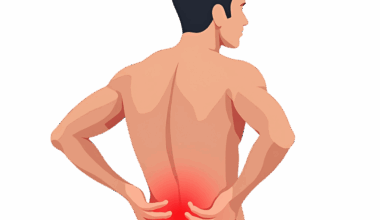
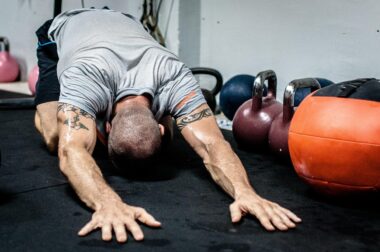
Spine flexibility plays a crucial role in overall athletic performance in CrossFit. A flexible spine allows for improved posture and technique during dynamic movements. One effective drill to enhance spine mobility is the cobra stretch. Lying on your stomach, place your hands at shoulder level and lift your upper body while keeping your hips on the ground. This stretch opens up the front of your body and lengthens your spine. Another beneficial exercise is the child’s pose, which promotes flexibility in the lower back and hips. This restorative position also acts as a gentle stretch for the spine, aiding in recovery after strenuous workouts. Incorporating rotational movements such as thoracic spine rotations can also significantly improve your spine’s flexibility. This drill involves sitting or standing and twisting your torso to encourage spinal mobility. Perform each stretch for 20 to 30 seconds, and repeat a few times for maximum benefit. With enhanced spine flexibility, you’ll notice an increase in your ability to engage in more complex movements, such as muscle-ups or in executing compound lifts with better alignment.
Another effective approach to develop flexibility in CrossFit is through the incorporation of foam rolling. Using a foam roller can assist in relieving tightness in muscles and fascia, thus enhancing overall mobility. Roll out any tight areas or knots in your body before beginning your flexibility training, ensuring better blood flow and range of motion. Target common areas such as the glutes, quads, and hamstrings as they are crucial for functional movements in CrossFit. Spending just a few minutes foam rolling can make a significant difference in how your muscles respond to subsequent stretching practices. Understand the importance of combining foam rolling with your flexibility drills to create a well-rounded approach to flexibility training. Many athletes overlook this aspect, focusing solely on static or dynamic stretches. However, foam rolling acts as a preparatory practice, enabling better outcomes in flexibility and overall athletic performance. Embrace the versatility of foam rolling as part of your recovery routine, and witness the improvements in your range of motion and exercise execution over time.
Consistency and Mindset
Lastly, the success of flexibility drills in CrossFit significantly relies on consistency and a positive mindset. Committing to your flexibility routine is key to seeing measurable improvements over time. Many athletes tend to overlook flexibility, prioritizing strength training instead, but this can impede progress. A strong mindset and dedication allow for steady growth, assuring that flexibility becomes part of your athlete journey. Focus on setting specific goals for flexibility, measuring progress may motivate you further. Consider tracking your flexibility exercises and noting changes in performance during high-intensity workouts. Sometimes the results of flexibility training are subtle but will compound over time. Maintain an open mindset towards trying new drills and techniques, as different methods may yield better results than others. Engage with your CrossFit community to share flexibility tips and experiences. This not only adds accountability but fosters a supportive atmosphere for everyone involved. Ultimately, adopting a holistic approach to your training that includes flexibility will improve overall performance, maintain health, and contribute to longevity in your CrossFit journey.
In conclusion, flexibility is an integral component of CrossFit training that should not be overlooked. Implementing targeted flexibility drills is essential for achieving greater range of motion and optimizing performance. Regularly performing these drills will not only assist in preventing injuries but will also enhance your capacity to perform various functional movements proficiently. Focus on the different areas such as hip, shoulder, and spine flexibility to create a comprehensive approach to your training. By combining static and dynamic flexibility exercises ensures a well-rounded regimen that supports your physical fitness objectives. As you progress, remember to incorporate foam rolling as a supportive practice to alleviate tightness and improve mobility. Taking a consistent and mindful approach will create significant results over time, contributing to your overall athleticism. Add flexibility sessions to your warm-ups or cooldowns to maximize potential and enhance your exercise efficiency. Moreover, embrace the journey of flexibility with a positive mindset while engaging within the community to exchange insights. Ultimately, improving flexibility will not only elevate your CrossFit experience but also ensure a healthier, happier, and more sustainable fitness journey.