
Top Wearable Devices for Monitoring Cardiovascular Performance
In the realm of cardiovascular training, wearable devices have become essential tools for monitoring performance. These gadgets enable users to track various metrics, such as heart rate, activity levels, and even sleep patterns. This technology offers real-time data, helping athletes optimize their training regimens and achieve better results. The advancements in wearable tech have allowed users to access features that were previously only available to professional athletes. From smartwatches to heart rate monitors, there’s a plethora of options available on the market. This equipment can track physical exertion, ensuring users maximize their workout effectiveness. The use of these devices empowers individuals to set and reach fitness goals while providing features to encourage proper recovery. Understanding how these devices function can significantly enhance performance outcomes for beginners and seasoned athletes alike. With accurate data at their fingertips, users can make informed decisions regarding their training plans. Furthermore, many of these devices integrate seamlessly with smartphones, providing a comprehensive view of one’s fitness journey. As demand grows, innovations continue to emerge, making cardiovascular training more accessible than ever.
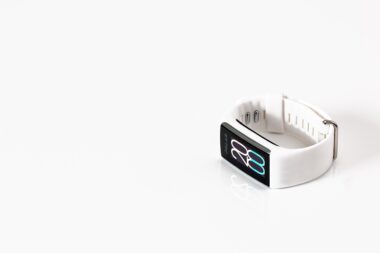
One of the most sought-after devices in cardiovascular training is the popular fitness tracker. Devices like the Fitbit Charge 5 and Garmin Forerunner 245 have garnered attention for accurately monitoring heart rates and calories burned. These wearables utilize advanced sensors to collect data continuously and during workouts. With various activity modes, users can personalize their exercise routines effectively. Many fitness trackers also offer features such as sleep analysis, stress management tools, and guided breathing exercises. These additional functionalities provide valuable insights into overall health and recovery. Moreover, the integration of GPS tracking in select models enables users to measure distances accurately while outdoor running or cycling. Alongside these functionalities, some models boast long battery life, ensuring they can be worn throughout the day and night. The accompanying mobile apps allow users to set specific health objectives, offering reminders and enhanced metrics to encourage consistency. Commitment to a healthier lifestyle can be significantly easier with these tools. The combination of personalization and data accuracy equips users with the necessary resources to achieve their fitness aspirations.
Smartwatches Revolutionizing Monitoring
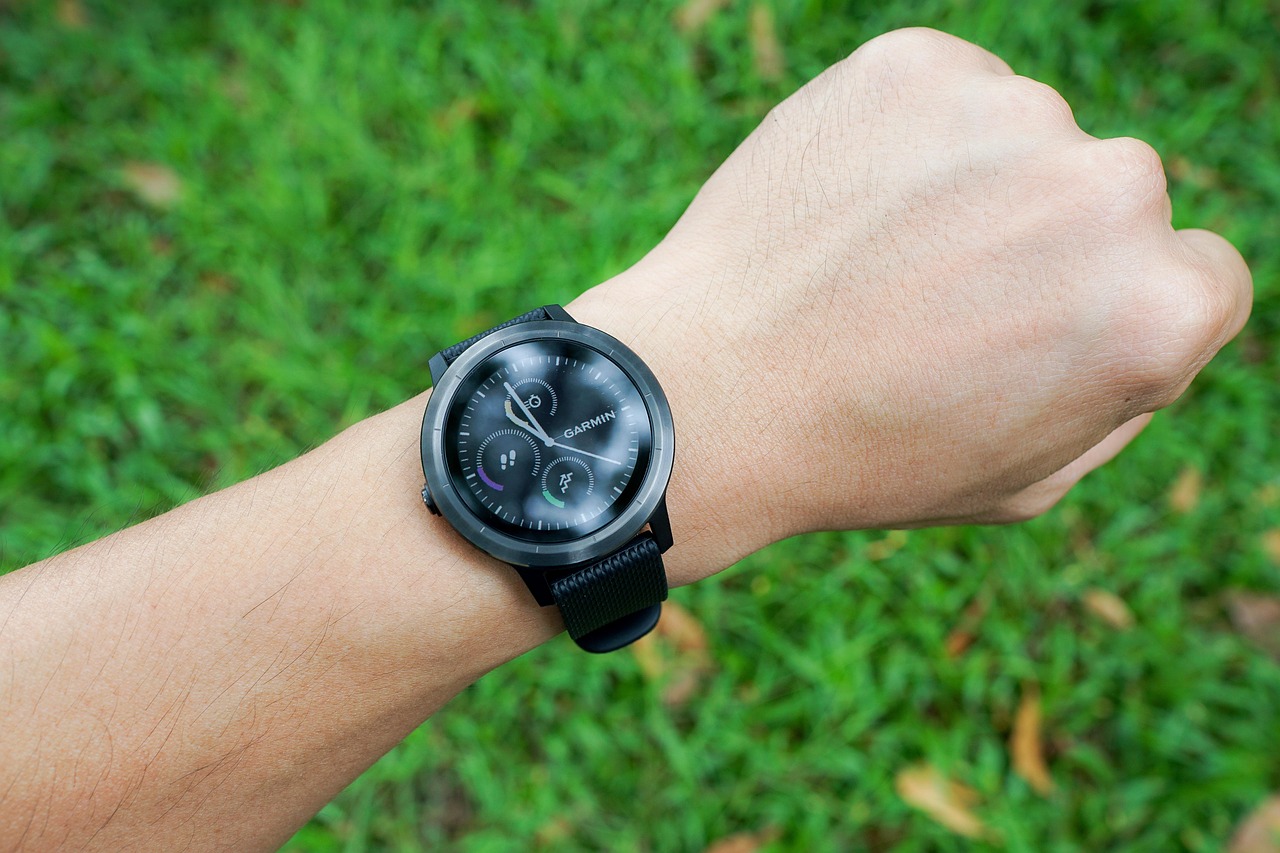
Smartwatches have revolutionized cardiovascular monitoring, combining style with advanced functionality. Brands like Apple and Samsung have integrated health tracking capabilities, including ECG monitoring and heart rate variability assessments. Users can benefit from tracking cardiovascular health directly from their wrists. The Apple Watch Series 7, for instance, provides comprehensive heart health data. Features include fall detection, irregular heart rhythm notifications, and VO2 max tracking. Such tools offer critical insights, enabling users to make healthier lifestyle choices. Moreover, smartwatches can store workout data, which users can analyze to measure improvement over time. They often sync with various fitness apps, enhancing users’ ability to track progress holistically. Notifications for calls and messages make them not only functional but also convenient for everyday use. Users are drawn to their versatile nature, as they transition seamlessly between work, workouts, and daily activities. With ongoing advancements, future models are expected to incorporate even more innovative health monitoring tools. This evolution continues to empower users to prioritize cardiovascular training while maintaining a connected lifestyle. Enjoying the benefits of a smartwatch can lead to a more proactive approach to personal health.
Heart rate monitors are pivotal for serious athletes analyzing their performance. Devices such as the Polar H10 and Wahoo Tickr have emerged as highly accurate options. These monitors capture real-time heart rate data, allowing users to train in specific heart rate zones. Training within these zones can maximize fat burning, improve endurance, and prevent overtraining. Many models are designed to be worn comfortably during activities, ensuring they remain stable for accurate readings. Additionally, these devices often connect wirelessly to fitness apps and smartwatches, simplifying data collection and analysis. Users can study their heart rate trends and adjust workouts accordingly. The gathered information assists in tailoring training to specific goals, such as weight loss or enhancing cardiovascular endurance. Furthermore, the insights gained from heart rate monitoring can inform recovery strategies, helping athletes optimize their performance sustainably. Providing guidance on maintaining ideal heart rates during workouts fosters smarter training. This technology ultimately promotes greater awareness of one’s physical capabilities. Enhanced data leads to improved results, making heart rate monitors indispensable tools for serious fitness enthusiasts.
Emerging Technologies in Wearable Devices
Emerging technologies are transforming the landscape of wearable devices designed for cardiovascular training. Innovations such as AI-driven analytics and machine learning algorithms enhance the effectiveness of monitoring tools. These technologies evaluate user performance data and deliver personalized insights tailored to individual needs. This adaptability ensures users receive optimization suggestions suited to their specific fitness levels and goals. Moreover, the rise of smart textiles infused with bio-sensing technology enables continuous health monitoring. These textiles can provide real-time feedback on heart rate and other vital metrics during workouts without bulky equipment. The growth of augmented reality in fitness wearables is another exciting front. AR provides an immersive experience, where users interact with virtual training environments. Such features enhance motivation and help maintain engagement during workouts. Additionally, these advancements are influencing the health industry, with devices facilitating better patient monitoring for cardiovascular disease management. As research progresses, we can expect more comprehensive wearable devices capable of tracking multiple health indicators. Such improvements highlight the importance of technology in enhancing cardiovascular performance and promoting wellbeing among users.
The social aspect of wearables is contributing significantly to the popularity of cardiovascular training devices. Many fitness wearables now feature sharing capabilities, allowing users to connect with friends and participate in challenges. This social interaction fosters a sense of community and accountability, motivating users to remain committed to their fitness goals. Moreover, having support from peers can enhance performance, as individuals may feel encouraged to push their limits. Integration with social media platforms also plays a role, enabling users to showcase achievements and celebrate milestones together. This communal approach creates a competitive yet supportive environment where users thrive. Participating in group challenges can offer significant rewards, such as discounts on devices or access to exclusive fitness content. Additionally, many wearables track achievements and milestones, providing tangible goals for users. Tracking accomplishments can enhance motivation, ensuring users remain engaged in their fitness journeys. This interactive dimension not only helps users stay on track but also enriches the overall experience associated with cardiovascular training. Enhanced connections and shared experiences can lead to improved results and foster long-term fitness habits. Community connections can bolster individual dedication.
The Future of Cardiovascular Training Technology
Looking ahead, the future of cardiovascular training technology appears promising, filled with numerous possibilities. The integration of advanced biometric sensors within wearable devices continues to advance significantly. Such sensors promise to offer unprecedented accuracy in measuring heart rate and other vital signs. Moreover, as the Internet of Things (IoT) expands, wearables will become more interconnected, allowing for seamless data sharing between devices. This interconnectedness will provide users with a more comprehensive overview of their health and fitness metrics. Furthermore, the rise of virtual reality (VR) in training applications may revolutionize cardiovascular workouts. Engaging in VR-based exercises could lead to more enjoyable and effective training experiences. Additionally, there is a growing focus on the mental aspect of health and wellness. Future devices may incorporate features to monitor and promote mental well-being, recognizing the impact of stress and mental health on cardiovascular performance. As the market evolves, users can anticipate devices that not only focus on physical parameters but also address emotional well-being. Continuous innovation promises to elevate cardiovascular training, aligning advanced technology with consumer needs to foster healthier lifestyles.
In conclusion, wearable devices have transformed the landscape of cardiovascular training. Their ability to provide precise data fosters greater self-awareness and empowers individuals to make informed health decisions. From fitness trackers to smartwatches, heart rate monitors, and emerging technologies, users have a vast array of options catering to diverse needs. The benefits of these devices extend well beyond basic fitness metrics; they enhance motivation, support social connections, and promote accountability. By leveraging technology, users can optimize their training regimens, improve performance, and achieve their health and fitness goals more efficiently. Furthermore, the future of wearables looks promising, with ongoing advancements in sensor technology, AI, and data analytics. These innovations will enable even greater customization and effectiveness in training. Collective trends indicate a shift towards more holistic approaches to health, integrating both physical and mental well-being into fitness strategies. As consumers increasingly prioritize their health, wearables will play a crucial role in establishing healthier habits. The combination of technology and fitness continues to empower a growing community of individuals dedicated to improving cardiovascular performance. The collaborative efforts of the tech and fitness industries will undoubtedly enhance the user experience in the coming years.