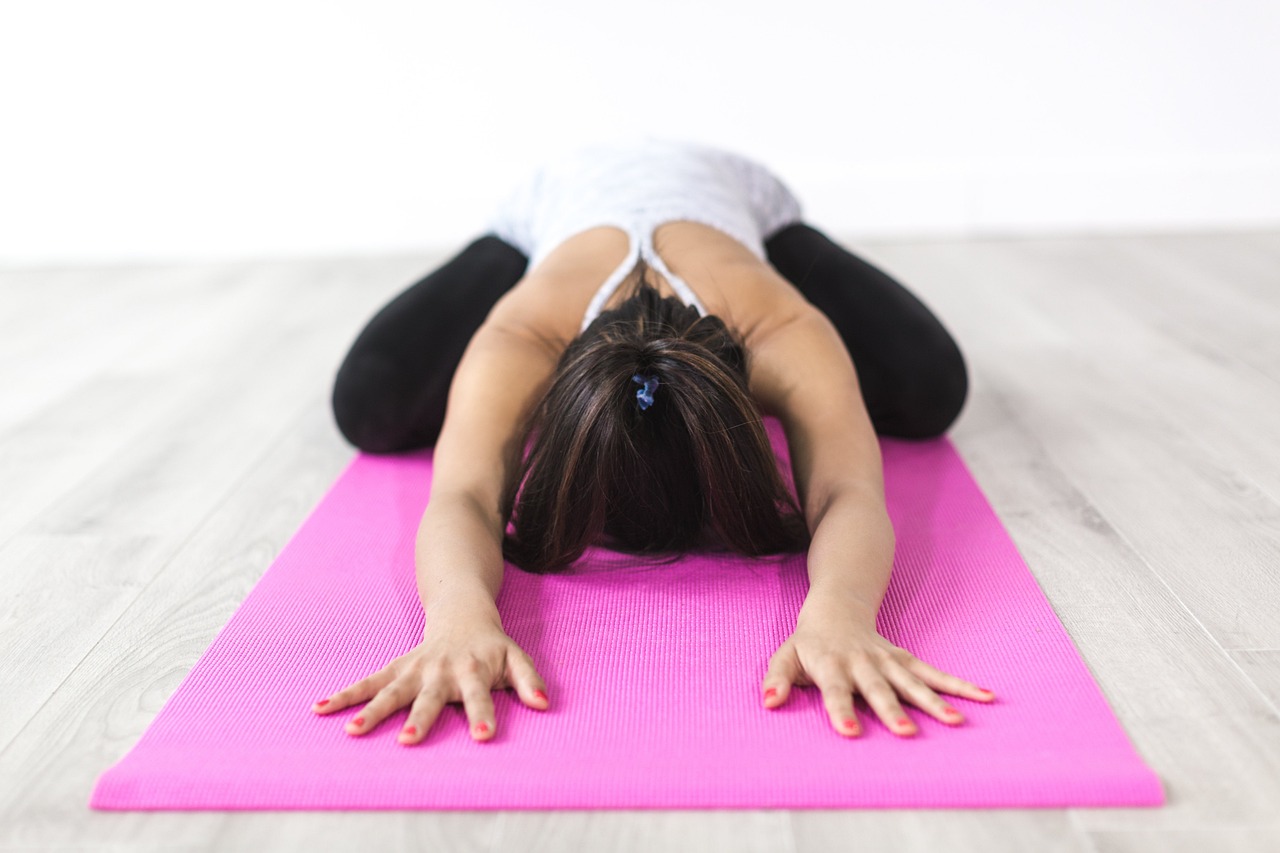

The Importance of Flexibility and Mobility in Group Fitness Classes
Flexibility and mobility are crucial components of overall fitness, especially in group fitness classes. Participants often engage in a variety of exercises, which may include strength training, cardiovascular training, and bodyweight movements. Each of these activities demands a certain level of flexibility. It allows for a greater range of motion in joints and muscles, which enhances the effectiveness of workouts. Improved flexibility can lead to better performance in various physical activities, from running to dancing, and it can reduce the risk of injury. When individuals improve their flexibility, they can perform exercises with more ease, leading to higher quality workouts. Enhanced mobility during group classes allows participants to execute moves safely and efficiently. Moreover, members of group fitness classes find that with better flexibility, balance and coordination improve as well. This can lead to increased confidence in their abilities. Incorporating dynamic stretching before workouts and static stretching post-workout can significantly boost flexibility and mobility. As group instructors, focusing on these aspects not only enhances the experience but also fosters a supportive environment for all participants to flourish in their fitness journey.
Group fitness classes offer a unique environment where participants are encouraged to work together. This camaraderie not only motivates but also emphasizes the importance of flexibility and mobility in a collective manner. In these settings, individuals often push their limits, which can sometimes lead to strain or discomfort if flexibility is lacking. Therefore, integrating flexibility and mobility exercises into classes is essential. Such routines can include simple stretches, yoga poses, and mobility drills designed specifically to enhance muscle elasticity and joint mobility. By focusing on these elements, instructors can teach participants how to listen to their bodies. This mindfulness is vital, as it encourages individuals to recognize their limits while promoting safe movement. Joint health is particularly important for maintaining an active lifestyle as people age. Attendees will benefit when they understand the relationship between flexibility, mobility, and overall wellness. Participants who regularly engage in flexibility-focused activities often experience improved posture, reduced overall tension, and enhanced physical performance. Instructors can highlight these aspects during classes, encouraging all attendees to prioritize their flexibility and mobility.
Studies suggest that a lack of flexibility can lead to a host of problems, both during workouts and in daily life. This is particularly true for those who participate in group fitness classes where movements are more dynamic. Poor flexibility can limit a person’s ability to perform exercises correctly and may contribute to injuries. Thus, it is essential for participants to engage in consistent stretching routines that enhance their overall flexibility. Through structured classes, individuals can learn various dynamic and static exercises focused on elongating muscles and improving joint function. Flexibility training also helps to relieve muscle tightness, making participants feel more energized and less fatigued. As muscles lengthen, a better blood flow can also lead to increased muscle recovery. In a group environment, individuals can also motivate each other to remain committed to their flexibility routines. A group dynamic encourages shared learning and accountability that can be highly effective. Educating participants about the benefits of maintaining flexibility today contributes to their future health. Consequently, instructors should actively weave flexibility drills into regular class routines to support advancements in overall mobility and wellness of their groups.
How to Incorporate Flexibility and Mobility into Classes
Instructors can take various approaches to incorporate flexibility and mobility into group fitness classes. An effective strategy is to dedicate the warm-up segment to flexibility and mobility-specific movements. This allows individuals to prepare their muscles and joints, promoting both physical and mental readiness for more intense exercises. Incorporating exercises is essential; a few seconds in each position can significantly impact joint range of motion and muscular elasticity. Adding foam rolling or resistance band routines can also help enhance mobility. These tools allow participants to explore tight areas, thereby releasing tension effectively. Moreover, stretching exercises can be performed at gradual intervals throughout the class, allowing participants to revisit their flexibility. Deliberate pauses to stretch out specific muscle groups can provide immense benefits. Additionally, offering modified versions of stretches ensures that everyone in the group can participate, regardless of their current flexibility level. Utilize music to create an energizing atmosphere, engaging participants in the process. Finally, ending classes with a good cooldown period to focus on stretching enables the body to relax and recover while reinforcing the importance of flexibility and mobility.
Group fitness classes that prioritize flexibility and mobility cultivate a more inclusive and enjoyable atmosphere. As individuals become more flexible, they often feel more competent in their movements. This increased proficiency can lead to enhanced enjoyment during workouts, which is essential for adherence to fitness routines. When members enjoy their exercise, they are more likely to return for future classes. Instructors can cultivate a supportive environment by celebrating small successes. Noticing each individual’s progress reinforces positive emotions tied to flexibility improvement. Celebrating moments when a participant reaches a new stretch or performs a movement with better form encourages continued participation. This also builds camaraderie amongst class members. Furthermore, members will feel more empowered when they begin to experience visible, tangible results. As flexibility improves, they may find themselves achieving goals they never thought possible, such as deepening their squat or reaching a full range of motion during an exercise. Such accomplishments contribute to overall motivation and commitment to an active lifestyle, reinforcing the value of flexibility and mobility within any fitness journey. When fostered in group settings, these benefits can ripple through the community.
Flexibility and mobility have proven to be integral components of fitness that support not just physical but also mental health. By enhancing physical capabilities, individuals often feel a greater sense of achievement, leading to boosts in self-esteem and confidence. This emotional connection illustrates why group fitness classes focusing on flexibility and mobility can be effective in being more than just workouts. Participants often find stress relief in these classes, as stretching and mobility exercises can lead to a peaceful state of mind. When individuals engage in mindful movement, they create space for relaxation and reduce feelings of anxiety. Furthermore, enhancing flexibility aids breathing patterns, which can further decrease stress levels during workouts. Instructors can create a calm environment by incorporating techniques such as deep breathing alongside mobility work, allowing a holistic health experience. As individuals develop physical flexibility, they also open themselves to emotional resilience. Learning to navigate discomfort during stretches establishes a mindset of tackling challenges, both inside and outside the gym. Recognizing the interplay between mental health and physical flexibility emphasizes the importance of these components in group fitness classes, enhancing participants’ overall well-being.
Conclusion
The integration of flexibility and mobility into group fitness classes holds numerous benefits. As participants engage in these practices, they not only enhance their physical capabilities but also build emotional resilience. Classes that include mobility and flexibility work cultivate a community of support and encouragement. By incorporating varied exercises, instructors can ensure that all participants find value in their experiences, regardless of their current fitness levels. As individuals learn to appreciate their bodies’ capabilities, they stay motivated in their fitness journey, leading to a sustained commitment. The focus on preventing injuries and enhancing recovery makes flexibility and mobility essential for those aiming for long-term health benefits. This, in turn, promotes an active lifestyle that can be maintained as individuals age. Group fitness classes are unique spaces where the emphasis on flexibility empowers individuals to overcome obstacles and develop better physical abilities. Instructors play a crucial role in this empowerment by providing instruction and encouragement that help drive success. Ultimately, integrating flexibility and mobility activities can lead to a healthier and happier community, allowing everyone to thrive in their fitness journey.