
Functional Training: Enhancing Daily Life for Women
Functional training has gained momentum in women’s health, focusing on improving daily living activities by optimizing strength, flexibility, and coordination. This type of exercise goes beyond traditional workouts by emphasizing movements that have direct applications to everyday tasks. For women, functional training helps enhance core stability, balance, and agility, which are crucial for maintaining independence as they age. Incorporating resistance training with bodyweight exercises, functional training effectively mimics actions like lifting, walking, or bending, reducing the risk of injury. Many women find these workouts more relatable because they reflect actual movements performed in day-to-day life, making it not only practical but enjoyable as well. Additionally, functional exercises can be modified for various skill levels, making them accessible for all women, from beginners to advanced athletes. As women’s health evolves to prioritize long-term well-being, functional training establishes a strong foundation for building overall fitness. Adaptability and the ability to engage different muscle groups simultaneously make functional training a sustainable option for improving physical health and life quality for women. Adopting this training model can inspire confidence and resilience among women in their fitness journeys.
The Benefits of Functional Training
Functional training offers several advantages that extend beyond just physical improvements. Firstly, it enhances neuromuscular coordination, crucial for executing various daily tasks more efficiently. Women who regularly engage in functional exercises often report increased energy levels, as enhanced muscle capacity translates to better overall stamina. Moreover, functional training positively influences mental health, combating anxiety and depression through the release of endorphins during workouts. Engaging in community classes or social training further promotes emotional well-being, as camaraderie is a key factor in maintaining motivation. Furthermore, this exercise style is excellent for weight management, as it encourages caloric burn through compound movements that use multiple muscle groups simultaneously. Women can effectively manage their weight without resorting to restrictive dieting, fostering a healthier relationship with food. Functional training also aids in improving postural alignment, reducing back pain, which is particularly beneficial for women who may experience discomfort due to prolonged sitting or caregiving roles. As part of a holistic approach to health, functional training can drastically improve the quality of life for women by enabling them to perform tasks effortlessly and confidently.
One of the critical components of designing a functional training program is ensuring it targets muscle groups relevant to the participant’s lifestyle. For women, this may mean incorporating exercises that simulate movements like picking up children, squatting to retrieve objects, or engaging in dynamic activities like dancing. Instructors often emphasize the integration of mobility and strength within workouts, creating a well-rounded program that balances endurance with stability. An effective functional training regime should also include core strengthening since a strong core supports all body movements. Pilates and yoga can serve as excellent complementing practices, further enhancing overall body awareness and flexibility. Customized plans that recognize individual needs and progress tracking enhance motivation and commitment to fitness goals. Women are encouraged to focus on mastering form before increasing weights or intensity, which prevents injuries and builds a strong foundation for more challenging movements. Additionally, using various equipment, such as kettlebells, resistance bands, and stability balls, can keep workouts engaging and fun. Implementing functional training in women’s fitness not only builds strength but also fosters mental resilience, empowering women to tackle everyday challenges head-on.
How to Get Started
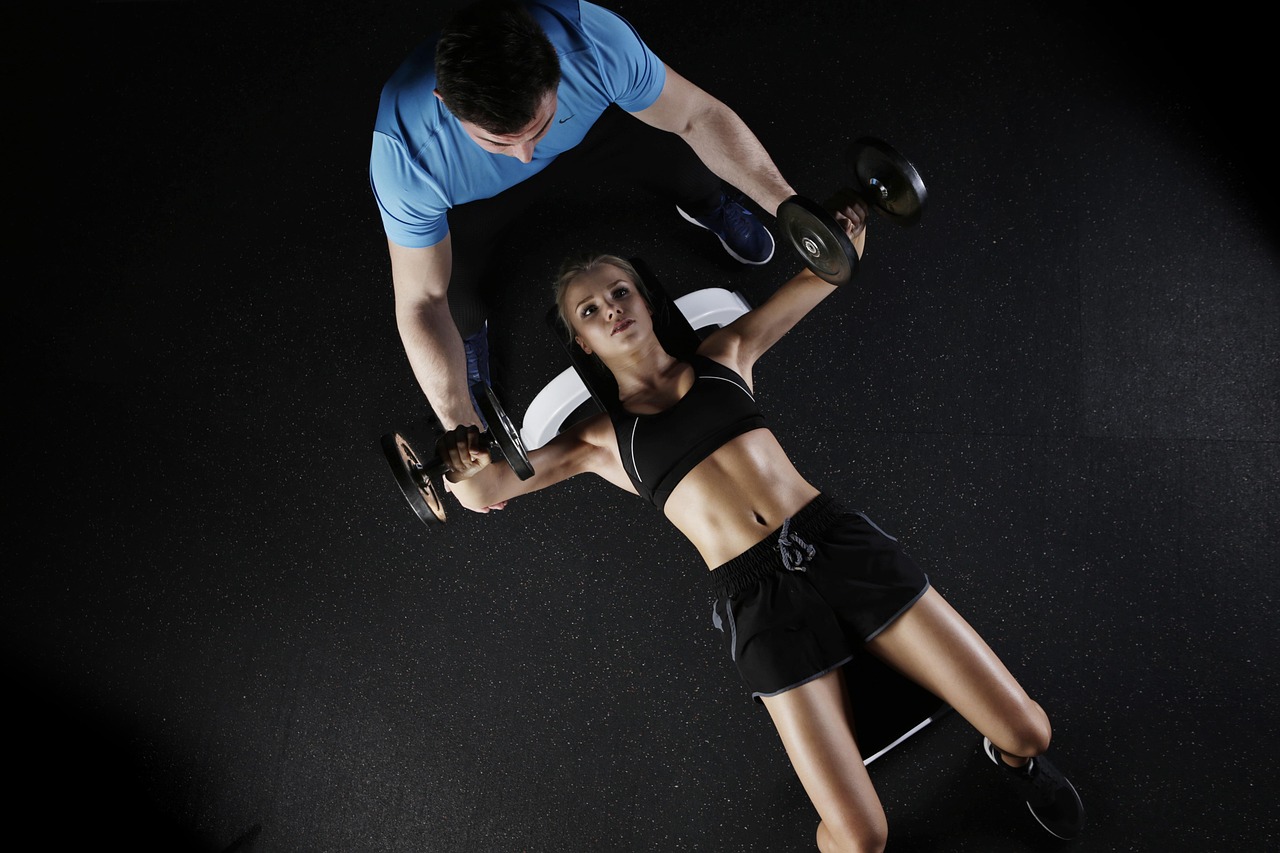
Starting a functional training routine can be straightforward with the right approach. Women interested in this style of workout should first identify their fitness goals, considering both personal aspirations and specific functional needs. Finding a knowledgeable trainer who specializes in functional training will provide tailored instruction for individual levels of experience. Many fitness centers now offer increasingly popular group classes that focus on functional movements, allowing women to connect socially while working toward their fitness goals. When beginning, women should aim to establish a consistent workout schedule, gradually incorporating variety into their sessions to prevent boredom. Additionally, understanding the importance of recovery is vital; rest days allow muscles to repair and grow stronger. Pairing physical activity with proper nutrition supports overall wellness and elevates energy levels. Women can significantly enhance their training experience by logging their workouts and sharing achievements with friends or community supports. A supportive environment can encourage long-term commitment and enjoyment. Women should also experiment with different equipment during their training process to discover what resonates best with them, optimizing results and satisfaction in their fitness journey.
The role of community in functional training is vital for sustaining motivation and encouraging long-term health changes. Many women find that participating in group classes or training with friends creates a sense of accountability that can often be lacking in solo workouts. Building a support system helps reinforce positive behavior changes and provides encouragement during challenging times. Social training settings often foster lasting friendships, turning workouts into enjoyable experiences rather than obligatory tasks. Online communities also offer great resources through forums, social media groups, and virtual challenges. Women can share progress, tips, and support with others pursuing similar goals, creating an inspiring atmosphere that promotes growth and development. Networking with fellow workout enthusiasts can also introduce women to different training methods or local fitness events. As women navigate their fitness journeys, sharing knowledge and experiences with one another naturally enhances the learning process while spreading motivation. Including functional training into a socially supportive environment helps to ensure longevity in exercise routines as fitness becomes not just about physical goals but a way of life anchored in community values.
Addressing Common Misconceptions
Despite the numerous benefits of functional training, several misconceptions linger, preventing women from fully engaging with this form of exercise. Some may believe functional training is only for athletes or requires advanced fitness levels, which couldn’t be further from the truth. In reality, functional training is highly adaptable and can be tailored to suit individual needs, regardless of experience. It is crucial for women to understand that all movements can be modified, ensuring inclusivity for beginners who may feel intimidated. Another common myth is that functional training does not provide sufficient cardiovascular benefits. However, incorporating high-intensity interval training (HIIT) into functional workouts can elevate heart rates effectively, promoting cardiovascular health. Furthermore, some believe that functional exercises lack creativity and variety. Yet, the multitude of exercises available ensures that routines remain engaging and stimulating. By educating women on the benefits of functional training, fitness professionals can communicate how it goes beyond traditional exercise norms. Clear guidance and support can empower women to see functional training as a tool that enhances both everyday well-being and fitness capabilities.
In conclusion, functional training serves as a transformative approach to women’s health, enhancing the quality of life by preparing women for real-world movements and challenges. By focusing on improving strength, flexibility, and balance, women can approach everyday tasks with confidence and ease. This shift from traditional training to functional training not only emphasizes physical health but holistic wellness that includes mental well-being and community support. Women are encouraged to explore various methods and exercise routines, allowing empirical knowledge to guide their fitness journeys. By connecting with others who share similar goals, workouts become not merely tasks but enjoyable experiences that foster lasting friendships and camaraderie. Dispelling misconceptions about functional training also plays a vital role in encouraging women to engage in this beneficial form of exercise. Ultimately, as women embrace functional training, they empower themselves, reclaiming their bodies and minds to navigate life’s obstacles with grace. As functional training grows increasingly popular, it is clear this approach is fundamental in developing healthier lifestyles and enhancing the overall well-being of women across the globe.
In conclusion, functional training serves as a transformative approach to women’s health, enhancing the quality of life by preparing women for real-world movements and challenges. By focusing on improving strength, flexibility, and balance, women can approach everyday tasks with confidence and ease. This shift from traditional training to functional training not only emphasizes physical health but holistic wellness that includes mental well-being and community support. Women are encouraged to explore various methods and exercise routines, allowing empirical knowledge to guide their fitness journeys. By connecting with others who share similar goals, workouts become not merely tasks but enjoyable experiences that foster lasting friendships and camaraderie. Dispelling misconceptions about functional training also plays a vital role in encouraging women to engage in this beneficial form of exercise. Ultimately, as women embrace functional training, they empower themselves, reclaiming their bodies and minds to navigate life’s obstacles with grace. As functional training grows increasingly popular, it is clear this approach is fundamental in developing healthier lifestyles and enhancing the overall well-being of women across the globe.