
How Kettlebell Training Supports Athletic Performance
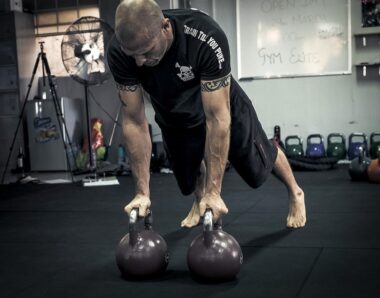
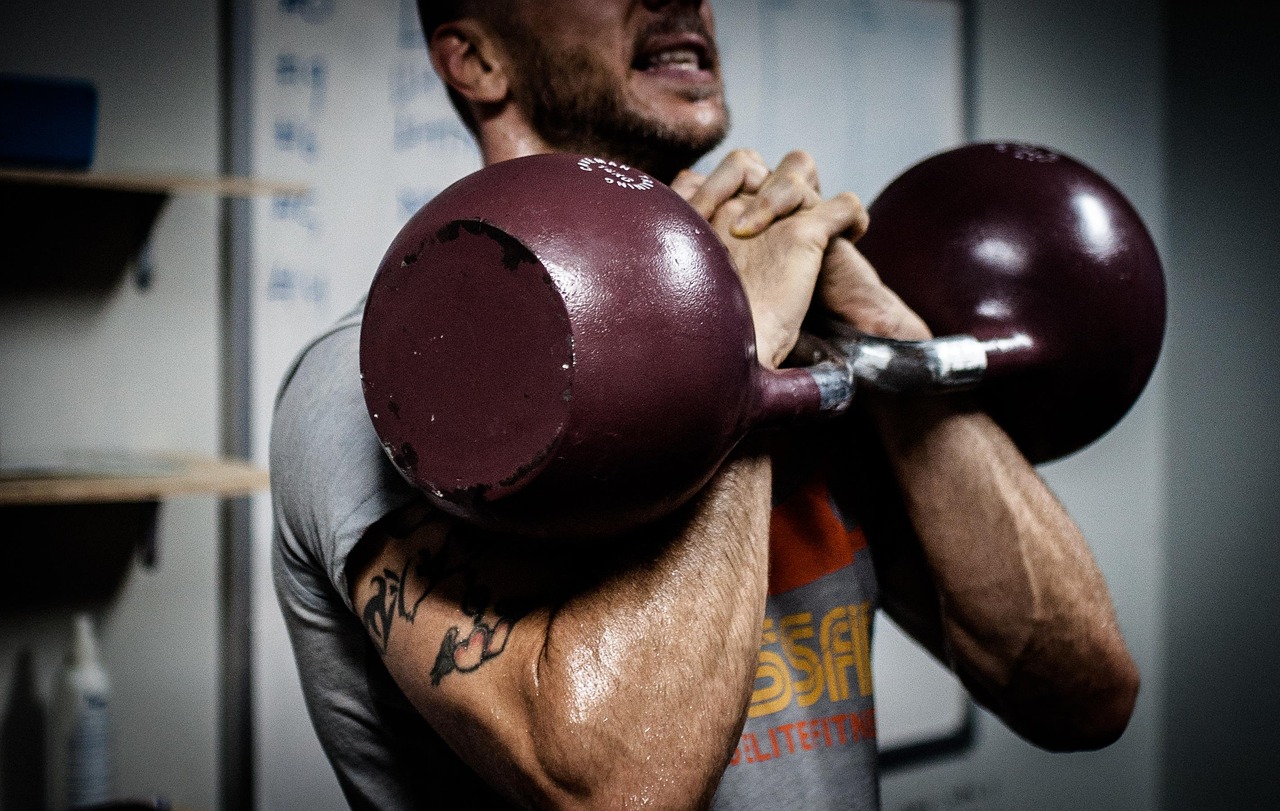
Kettlebell training has surged in popularity and for good reasons. Whether you are a professional athlete or simply a fitness enthusiast, kettlebells offer myriad benefits that can enhance your performance. One of the primary advantages of kettlebell training is the emphasis on building strength, stability, and flexibility simultaneously. Traditional weightlifting often focuses solely on one muscle group at a time, but kettlebells require you to engage multiple muscle groups in a single movement. This comprehensive approach makes kettlebell exercises more functional, closely mimicking the real-life activities athletes may encounter. Additionally, kettlebell training fosters both concentric and eccentric muscle contractions, which contributes significantly to muscle building and endurance. Athletes who include kettlebells in their conditioning routines often notice improvements in core strength and overall athleticism, both critical elements to excelling in sports. Moreover, the ballistic nature of many kettlebell exercises enhances explosive strength, vital for certain sports. Through various kettlebell workouts, athletes can develop better balance, coordination, and total body control, translating these benefits directly into improved performance. Incorporating kettlebells into your regimen could be a game-changer for unlocked potential.
One particularly effective aspect of kettlebell training is its adaptability; athletes from diverse sports can tailor workouts to meet their unique needs. For example, a sprinter may focus on exercises that develop explosive power, while a football player might prioritize enhancing overall strength and agility. Kettlebells facilitate a wide range of movements and facilitate customization for various skill levels. This versatility allows trainers to create structured programs that incorporate kettlebell exercises effectively within an athlete’s broader workout protocol. Furthermore, kettlebells are compact and portable, allowing athletes to practice their workouts virtually anywhere. This means that athletes can maintain their training schedule without being restricted by a lack of gym access or equipment. The extensive variety of kettlebell exercises, such as swings, snatches, and Turkish get-ups, provides countless options for keeping workouts engaging and challenging. With the right approach and commitment, kettlebell training can significantly benefit an athlete’s performance while minimizing injury risk. These exercises help develop strength in a balanced manner, providing a preventive measure against potential injuries. Thus, kettlebells present an effective, convenient, and dynamic way to improve athletic performance and overall physical capabilities.
The Importance of Core Strength in Athletes
Core strength is the foundation underpinning nearly every athletic endeavor. A robust core serves to stabilize the body and transfer energy between the upper and lower extremities effectively. Weakness in this area often leads to poor performance and increased risk of injury. Kettlebell training superbly targets the core, making it an essential tool for athletes looking to enhance their stability and power. Movements such as the kettlebell swing or Turkish get-up specifically engage various core muscles, promoting resilience and endurance. By implementing kettlebell exercises into their routine, athletes develop greater core engagement, which directly relates to better performance in their respective sports. Improved core strength translates into improved posture, balance, and overall efficiency during activities. Furthermore, a powerful core enables athletes to generate more force during explosive movements, crucial for sports that demand quick bursts of speed or power. This heightened core functionality ensures that muscle groups work cohesively, resulting in fluidity and grace during movement. Kettlebell training not only strengthens the core but enhances an athlete’s overall body awareness, making it an invaluable practice for those striving for maximum performance.
In addition to core strength, kettlebell training significantly increases muscular endurance, vital for athletic performance. Unlike heavy lifting, which often focuses on maximum strength for short bursts, kettlebell workouts promote endurance through continuous movement and repetition. Exercises like kettlebell swings and cleans engage large muscle groups repetitively, allowing athletes to build both strength and endurance over time. This adaptability not only saves time but also enhances metabolic conditioning, making workouts efficient and effective. Enhanced endurance enables athletes to sustain their performance over extended periods, whether it be during a competitive game or a lengthy practice session. As athletes harness this newfound endurance, they can push through fatigue, reduce recovery times, and maintain higher levels of performance throughout the contest. Furthermore, the increased cardiovascular benefits derived from kettlebell workouts contribute to the holistic enhancement of athletic performance. As heart rates elevate during kettlebell routines, athletes experience better oxygen delivery and energy utilization, further solidifying their endurance. This dual focus on strength training and cardiovascular fitness positions kettlebell training as a comprehensive approach to developing well-rounded athletes.
Movement Quality and Functional Strength
Another notable benefit of kettlebell training lies in its focus on movement quality and functional strength development. In contrast to conventional gym workouts, which often isolate muscle groups, kettlebell exercises promote dynamic movement patterns. Engaging multiple joints and muscles simultaneously fosters a more effective workout, translating easily to athletic skill development. For instance, exercises such as the kettlebell goblet squat not only build lower body strength but improve mobility and stability through range of motion, benefiting athletes across various sports. By incorporating kettlebell movements into training, athletes cultivate a greater understanding of how their muscles work together, ultimately enhancing their functional strength and efficiency. Additionally, kettlebell training encourages a greater emphasis on proper form and technique, reducing the likelihood of injury. As athletes learn how to control their movements with precision, they develop a more profound awareness of their bodies, essential for performing at their best. Athletes with superior movement quality are less prone to injuries and perform better, illustrating the need for integrating kettlebell exercises into their training routines for optimized performance outcomes.
Kettlebell training also plays a vital role in developing explosive power, a quality critical for most athletes. Explosive movements are integral to sports that demand quick starts, jumps, or sprints. Training with kettlebells focuses on fast, forceful movements, similar to those experienced in competition. For example, kettlebell swings utilize powerful hip extension and arms, generating significant momentum that translates to overall power generation. The ability to produce rapid force is paramount in many sports and can provide a competitive edge. Exercises that build this explosive power also contribute to better athletic performance and promote athletic efficiency. Enhanced power enables athletes to react more quickly and forcefully in high-pressure situations during games, making kettlebell training a crucial asset in preparing for actual competition. Furthermore, the focus on variability in kettlebell workouts prevents stagnation and promotes continual improvement. As athletes increase their strength and power over time, they can further refine their movements, working toward optimal performance potential. This dynamic approach to training ensures that athletes remain adaptable and prepared for the challenges they face during competitions.
Conclusion: Embrace Kettlebell Training for Athletic Success
In conclusion, kettlebell training serves as an essential tool for athletes looking to enhance their performance across various sports. The multitude of benefits, including increased strength, core stability, endurance, movement quality, and explosive power, positions kettlebells as a dynamic and vital component of a well-rounded training regimen. The portability and versatility of kettlebells make them easily integrated into any workout plan, allowing athletes to focus on their specific goals without the constraints of a traditional gym environment. Practicing kettlebell exercises promotes not only physical strength but also mental resilience, further supporting an athlete’s journey to success. As athletes increasingly adopt kettlebell training into their regimens, they can experience improved overall fitness levels and greater athletic capabilities. The unique demands of kettlebell workouts create challenges that force athletes to push past their limits, resulting in improved performance. With such profound benefits available through kettlebell training, exploring this method is recommended for anyone serious about their athletic journey. Athletes of all levels can experience the transformative effects of kettlebell training by committing to this engaging, practical, and dynamic form of exercise.
By embracing kettlebell training, athletes can revolutionize their approach to strength and conditioning. Whether one’s goal is to enhance explosiveness, build endurance, or develop functional strength, kettlebells provide a holistic training experience that promotes greater athletic success. As athletes continue to explore various training techniques, kettlebells stand out due to their effectiveness, adaptability, and the engaging qualities that they bring to workouts. It’s essential for athletes and trainers alike to recognize the advantages offered by kettlebell training and incorporate this powerful tool into their routines. As knowledge grows about kettlebell exercises and their benefits, the field of sports performance training will continue to evolve. With dedication and the right programming, kettlebell training can facilitate tremendous improvements in athletic performance and overall physical capabilities. This engaging and dynamic form of training ensures that athletes maintain excitement in their workouts while actively progressing toward their goals. Whether in the gym or at home, athletes can benefit by including kettlebells in their training arsenal. The road to enhanced athletic performance begins with the choice to embrace kettlebell training and explore its astonishing advantages.