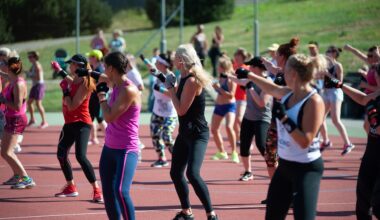

Strategies for Enhancing Team Recovery Sessions in Youth Athletics
It is essential to prioritize recovery sessions in youth athletics, as they contribute significantly to the physical and mental well-being of young athletes. By actively promoting recovery, teams can reduce injury risks and enhance performance in future competitions. One effective strategy for team recovery involves incorporating adequate nutrition plans post-training sessions. Nutrition should focus on replenishing lost energy sources and aiding muscle recovery through balanced meals composed of carbohydrates, proteins, and healthy fats. Additionally, emphasizing hydration with water and electrolytes helps maintain proper bodily functions. Another vital area is rest and sleep, enabling young athletes to recover from intensive physical activity. Coaches can create individual and team schedules that prioritize sleep. Moreover, including social aspects during recovery sessions can improve teamwork and morale. Engaging athletes in group discussions can facilitate connection, fostering a sense of belonging and motivation. It is critical to create a healthy environment for young athletes to talk openly about their challenges and recovery needs. These components generally contribute to a more holistic approach to recovery in youth athletics, and dedication from coaches and parents can strengthen these practices.
Importance of Active Recovery Techniques
Active recovery techniques play a pivotal role in enhancing recovery sessions in youth athletics. Utilizing low-intensity exercises, such as walking or light jogging, can effectively help athletes recover from intense workouts. These methods serve to stimulate blood flow and reduce muscle soreness, which can significantly enhance overall athletic performance. Additionally, involving athletes in dynamic stretching routines can improve flexibility and aid in muscle relaxation. Techniques such as yoga or dynamic cycling can also be included in these sessions, promoting active recovery while allowing athletes to stay engaged. Using foam rollers or massage therapy as part of recovery sessions can further benefit athletes significantly. This self-myofascial release technique improves mobility and alleviates muscle tension, promoting effective recovery. Moreover, chill-out sessions involving meditation or mindfulness practices have become increasingly popular, promoting mental well-being as well. Coaches can incorporate these methods into team environments, encouraging athletes to value mental as well as physical recovery. Lastly, feedback on recovery practices should be encouraged from young athletes to create an environment that respects their needs and preferences, thus making sessions more effective and enjoyable.
Incorporating technology into recovery sessions can further elevate the effectiveness of team recovery practices in youth athletics. Since young athletes are familiar with digital tools, utilizing fitness tracking devices and applications enables them to actively monitor their recovery progress. These tools can offer specific data on hydration levels, heart rate variability, and sleep patterns, helping coaches tailor recovery programs effectively. As part of this strategy, coaches should also educate athletes about the significance of balancing screen time and physical activity. Emphasizing the importance of aligning technology use with physical training will promote well-rounded athletic development. Additionally, engaging athletes in using recovery-related applications can empower them to take charge of their performance. Gamification can make the recovery process more engaging by introducing challenges that athletes can achieve individually or as teams. Coaches can create challenges focusing on hydration or stretching routines. Creating incentives for achieving recovery goals can motivate young athletes further. Ultimately, integrating technology into recovery not only modernizes the experience but also fosters a sense of responsibility among youth athletes that will positively impact their performance and emotional well-being.
Creating Recovery-Friendly Team Environments
Establishing a recovery-friendly environment within teams is vital for facilitating effective recovery sessions in youth athletics. Coaches and team managers should create an atmosphere that encourages open communication regarding recovery needs, concerns, and experiences. Whether addressing injuries or fatigue, having discussions fosters a sense of support among teammates. This community approach contributes positively to athletes’ mindsets, making team recovery more productive. Furthermore, modifications to practice schedules, allowing for occasional light training or entirely rest days depending on athletes’ conditions, can demonstrate the team’s commitment to recovery. Providing adequate facilities for recovery activities, such as adequate stretching space, hydration stations, and relaxation areas, enhances the overall recovery experience. The physical space must be free from distractions, allowing athletes to concentrate on their recovery efforts. Integrating supervision by knowledgeable staff during these sessions ensures that recovery techniques are practiced safely and effectively. Educating athletes on implementing recovery strategies as part of their routine will reinforce the importance of self-care. Encouraging their investments in these practices also cultivates long-term habits that are beneficial for their athletic careers and overall health.
Moreover, promoting team recovery sessions can also enhance skills and leadership opportunities among young athletes. By encouraging athletes to lead specific recovery exercises, such as stretches or breathing techniques, they develop responsibility and confidence in their abilities. Active participation promotes ownership of their training and recovery journeys, fostering resilience. This empowerment creates a constructive feedback loop, where athletes become more invested in their overall health. Furthermore, inviting guest speakers, such as sports nutritionists or physiotherapists, can engage athletes during recovery sessions, promoting a better understanding of recovery techniques. Conducting workshops or interactive seminars will help reinforce the significance of recovery as an essential aspect of their training regime. Fostering collaboration between athletes and expert guests promotes trust and encourages ongoing inquiry into recovery practices. Furthermore, providing incentives for team members who exhibit consistent diligence in recovery practices can create a supportive atmosphere. Recognition increases satisfaction and inspires motivation among athletes. Therefore, integrating personal development elements into recovery sessions can positively affect team dynamics, culture, and, ultimately, athletic performance, benefiting young athletes in their sporting journeys.
Leading by Example in Recovery
Coaches and mentors play a crucial role in shaping the recovery culture within youth athletics. Their actions and attitudes toward recovery strongly influence young athletes. By demonstrating commitment to recovery practices, such as proper nutrition, hydration, and sufficient rest, coaches set a powerful example that encourages athletes to adopt similar behaviors. Engaging in recovery activities with athletes reinforces the importance of these practices while fostering camaraderie within the team. Regular discussions led by coaches about individual and team recovery goals can optimize the effectiveness of these sessions. Coaches should also openly share their own recovery experiences and challenges. By sharing personal experiences, they can build rapport with the team and normalize recovery discussions, making athletes more comfortable discussing their recovery needs. Integrating recovery education into team meetings reinforces the importance of recovery. Coaches should periodically assess recovery metrics, guiding athletes through improving their recovery strategies. Recognizing athletes who prioritize and excel in their recovery can elevate the overall perception of recovery practices, ensuring that they become a valued aspect of athletic culture that contributes positively to team growth.
Finally, the holistic approach to enhancing team recovery sessions in youth athletics requires a comprehensive evaluation of existing practices and consistent feedback mechanisms. Implementing surveys for athletes to gather insights into their recovery experiences can offer invaluable information on areas needing improvement. This feedback can help coaches adapt their strategies, ensuring recovery practices resonate with young athletes. Additionally, actively involving parents and guardians in the recovery process fosters a supportive network conducive to athlete recovery. Workshops or informational sessions for parents can educate them on how to support young athletes’ recovery outside structured practices. Creating a community partner program involving local gyms or wellness centers can enhance the resources available for recovery as well. These partnerships can provide access to specialized equipment or expert coaching for unique recovery techniques. Furthermore, ongoing education for coaches about the latest recovery trends and practices can yield new insights that lead to enhancing recovery effectiveness. When these various components come together, they create a sustainable and meaningful approach to enhancing team recovery sessions, ultimately leading to healthier and more resilient young athletes.