
How Lifestyle Factors Influence Bone Density Alongside Exercise
Bone density is a crucial aspect of overall health. It refers to the amount of bone mineral in a particular volume of bone, which is vital for preventing fractures, particularly in aging populations. Aging naturally decreases bone density, making individuals susceptible to osteoporosis. Maintaining or increasing bone density requires a multifaceted approach that includes proper nutrition, weight-bearing exercises, and adopting a healthy lifestyle. Diet plays a significant role in bone health, and adequate intake of calcium and vitamin D can enhance bone density. Additionally, overall lifestyle choices, including smoking cessation and limiting alcohol consumption, influence bone density positively. Regular weight-bearing exercises promote bone strength and can lead to higher bone density. By engaging in activities such as walking, jogging, or resistance training, bones are subjected to stress, which encourages bone growth and repair. It is essential to integrate both dietary choices and physical activities into daily life. Individuals must be proactive in maintaining their bone health, particularly as they age, to ensure longevity and quality of life. In this article, we will explore the intricate relationship between lifestyle factors and bone density, emphasizing the importance of exercise.
The Role of Weight-Bearing Exercises
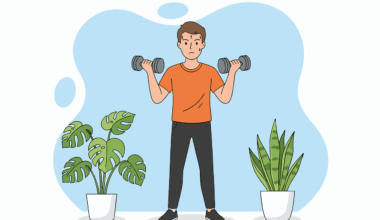
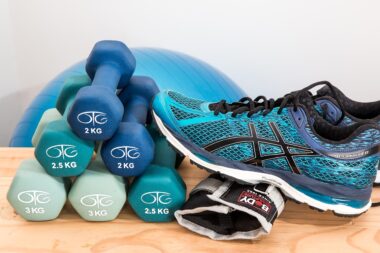
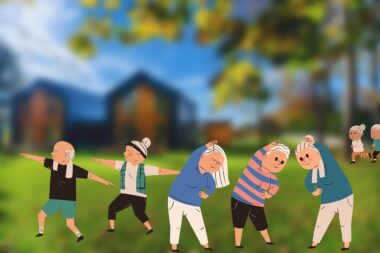
Weight-bearing exercises are particularly effective at building and maintaining bone density. These exercises force the body to work against gravity, stimulating bone formation and promoting mineralization. Examples include activities such as running, dancing, climbing stairs, and weightlifting. Each of these also promotes muscle strength and coordination, further enhancing overall physical health. Specifically, resistance training has proven effective, significantly impacting bone density in older adults. Improved muscle mass leads to better balance, reducing the risk of falls. Incorporating various types of weight-bearing activities into a fitness routine can provide not only physical benefits but also mental health advantages. Exercise releases endorphins, leading to improved mood and reduced stress levels, both of which can positively influence bone health. Additionally, community engagement through group exercises or fitness classes encourages social interaction, which supports mental well-being. Therefore, focusing solely on high-impact activities does not encompass the full range of benefits. It is important to create a balanced exercise regimen that incorporates both high-impact activities and those friendly to joints. Understanding the role of weight-bearing exercises in promoting strong bones is vital for aging individuals.
Nutrition also plays a key role in supporting bone density. Adequate intake of important nutrients, particularly calcium and vitamin D, starts with a well-balanced diet. Calcium is essential for the development and maintenance of bone tissue, while vitamin D improves calcium absorption, enhancing its effectiveness. Food sources such as dairy products, leafy greens, and fortified foods are excellent sources of calcium. On the other hand, sunlight plays a crucial role in vitamin D synthesis in the body, which can be supplemented through dietary sources such as fatty fish and egg yolks. Alongside these, adequate protein intake is essential for maintaining strong bones, as proteins form the structural matrix of bones. Thus, a healthy diet should not only prioritize calcium and vitamin D but should also include sufficient protein. Moreover, avoiding excessive caffeine and sodium is important, as these can adversely affect calcium balance. Hydration should also not be overlooked, as it supports overall bodily functions. In this section, we will further discuss how nutrition can synergize with exercise to enhance bone density, providing a holistic view on building healthy bones.
Impact of Lifestyle Factors
Beyond diet and exercise, various lifestyle factors contribute to bone density and overall health. For instance, smoking has been shown to have detrimental effects on bone health by reducing estrogen production, which is critical for bone maintenance. Women are particularly at risk, as reduced estrogen levels during menopause accelerate bone loss. Furthermore, heavy alcohol consumption can interfere with bone health by affecting calcium balance and inhibiting bone-building cells. Stress, too, can have a negative impact by prolonging the production of cortisol, which may lead to bone density loss. To mitigate these risks, lifestyle adjustments become necessary. Engaging in activities that promote relaxation and mental health can be beneficial. Additionally, getting regular health check-ups to monitor bone density can lead to early interventions if necessary, like medication or supplemental therapies. Encouraging healthy habits within family units also benefits younger generations. Simple approaches, such as smoking cessation programs or alcohol moderation strategies, should be emphasized. Acknowledging the multifaceted impacts of lifestyle on bone health can empower individuals to make informed choices that can positively affect their well-being in the long run.
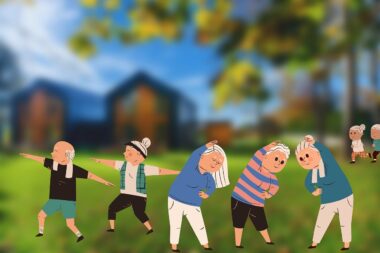
Your living environment can also impact your physical activity levels significantly. Safe and accessible spaces for exercise, such as parks and recreational centers, promote regular physical activity among older adults. Urban design that encourages walking and biking can increase physical activity levels which benefits bone density. Communities can foster supportive environments for elderly populations, ensuring there are resources available for engaging in physical activities or exercise classes. Availability and support can lead to improvements in public health statistics regarding bone health. Moreover, having social networks that promote active lifestyles can create a sense of responsibility and mutual encouragement to maintain physical activity levels. Additionally, developing infrastructure, such as accessible paths and transport, enables individuals to reach exercise facilities and participate actively. Educational programs providing awareness regarding the importance of bone health in aging can also lead to community-wide participation. By advocating for effective design and concentrated community efforts, we can enhance the environment for optimal bone health among aging individuals. Evaluating and improving communal resources can help forge paths to healthier lifestyle habits that ultimately support better bone health outcomes.
Strategies for Enhancing Bone Health
Implementing strategic lifestyle changes can substantially enhance bone density and overall health. Start by prioritizing weight-bearing exercises at least three to four times a week, incorporating a mix of strength training and aerobic activities. Monitoring nutritional intake should accompany any exercise regimen, ensuring adequate consumption of key nutrients such as calcium and vitamin D. Regular health screenings can also allow for proactive measures if low bone density is noted. These results can guide dietary and lifestyle adjustments, helping individuals manage their bone health better. Appealing to local health and fitness professionals may also lead to discovering tailored programs or classes specifically designed for older adults focusing on bone strength. Social connections formed through group activities or classes provide support and motivation, encouraging adherence to fitness routines. Moreover, consulting with a healthcare provider can yield valuable insight into personalized plans, especially if there are pre-existing conditions. Making small but consistent changes can lead to long-term benefits. Adopting a proactive approach helps individuals take charge of their bone health, ultimately empowering them to lead healthier, more active lives.
In conclusion, addressing the intricate relationship between lifestyle factors and bone health is paramount. Engaging in regular weight-bearing exercises, maintaining a balanced diet rich in calcium and vitamin D, and avoiding detrimental lifestyle choices are all crucial. These factors contribute to optimizing bone density and promoting overall health as one ages. Communities must emphasize the importance of physical activity and provide resources for active living. Education also plays a vital role in fostering awareness among aging populations, equipping them with the tools to improve bone health. Personal responsibility combined with community support creates a robust strategy for enhancing bone density. As research continues to evolve, so too will the recommendations related to maintaining strong bones. Embracing a holistic approach that integrates exercise, nutrition, and healthy lifestyle choices will ensure better bone health for future generations. By implementing these strategies, individuals can significantly reduce their risk of osteoporosis and fractures, leading to a better quality of life. Ultimately, fostering a culture that values bone health in our communities can create an advantageous environment for aging populations, setting the stage for vibrant, active aging.
Resources for Further Reading
If you wish to explore more about bone density and suitable exercises, several reputable sources provide extensive insights. Websites such as the National Osteoporosis Foundation (nof.org) offer guidance on dietary and exercise strategies. Also, the Centers for Disease Control and Prevention (cdc.gov) provides resources and information on preventing falls and ensuring safety during physical activities. Furthermore, engaging in local community programs focused on fitness and aging can offer practical workshops and real-time assistance. You can also access health and wellness publications, both online and offline, to stay informed about the latest findings in bone health and aging. The American Bone Health organization presents valuable literature on maintaining bone density in different life stages. Many local gyms and health facilities also provide assessments and tailored advice for individuals interested in enhancing their bone health. Seeking professional guidance ensures that individuals are well-equipped to take proactive measures to maintain strong bones, enhancing overall well-being for many years.