
Top Adaptive Fitness Trends to Watch in 2024
Adaptive fitness programs are gaining immense popularity as they cater to individuals with varying abilities, ensuring that everyone can enjoy physical activity.
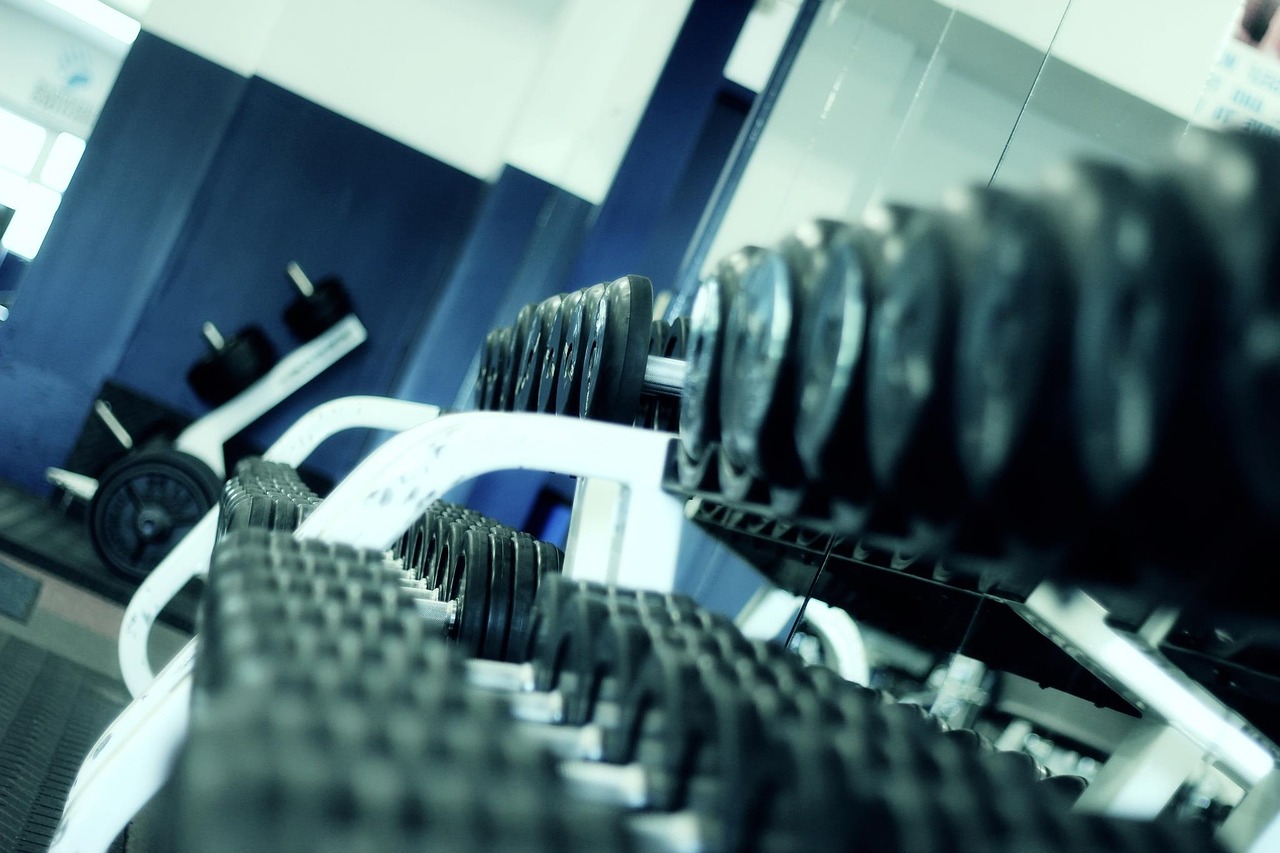
One of the leading trends in adaptive fitness is the rise of inclusive gym environments. Gyms are now prioritizing accessibility, featuring equipment designed for diverse needs. Equipment adaptations, such as modified resistant bands and innovative weight systems, allow individuals to engage safely and effectively. Facilities often include specialized areas for therapy, assisting members with disabilities in integrating seamlessly into fitness communities. Additionally, staff members undergo training that emphasizes sensitivity and understanding, ensuring everyone feels welcome. The focus on inclusive design not only boosts participation rates but also fosters camaraderie among gym members, resulting in supportive environments for everyone.
Technology Integration in Adaptive Fitness
Advancements in technology are reshaping how adaptive fitness programs operate, allowing for personalized experiences. Wearable devices, such as smartwatches and fitness trackers, are being customized for individuals needing unique functionalities. By tracking heart rates, steps, and calories burned, these tools empower participants with disabilities to monitor their progress optimally. Furthermore, virtual classes play a significant role, offering a platform where individuals can work out at home or engage with trainers via video. This modality encourages those with mobility challenges to participate actively without feeling self-conscious, creating a sense of community that transcends physical barriers.
Another inspiring trend is the incorporation of specialized fitness training for occupational therapists and personal trainers focused on adaptive strategies. These professionals are developing ways to enhance their clients’ experiences using functional strength training, adapting common exercises into more manageable formats tailored to individual needs. For instance, traditional yoga poses can be modified for wheelchair users, ensuring inclusivity while promoting physical awareness and mental health. Group training sessions led by professionals experienced in adaptive techniques encourage social engagement and collaboration among participants, fostering motivation and accountability in the pursuit of personal goals.
Community-Centric Adaptive Fitness
Community-based adaptive fitness initiatives are gaining traction as a supportive approach to overall wellness. Programs championed by local fitness groups advocate events focusing on encouraging participation and inclusivity. Such initiatives can help combat social isolation and promote mental well-being, as connections grow through shared experiences in fitness activities. Organizing fun competitions or outdoor events offers individuals a chance to discover their strengths while developing relationships with peers. Moreover, community engagement in adaptive fitness programs further raises awareness regarding inclusiveness, inspiring businesses and organizations to prioritize adaptive strategies, ultimately enriching local lifestyles around diversity.
Moreover, partnerships between adaptive sports organizations and mainstream fitness facilities are becoming increasingly common. By leveraging shared resources, these collaborations provide individuals with disabilities better access to training opportunities and facilities. This trend facilitates the fusion of conventional fitness practices with adaptive techniques, empowering gym owners to integrate tailored equipment and methodologies. As organizations work together, they raise awareness and build support for adaptive programs, creating an environment where all participants can thrive, breaking down existing societal barriers associated with disability. The expansion of such partnerships can significantly impact the fitness landscape.
Incorporating Mental Health into Adaptive Fitness
The intersection of mental health and adaptive fitness is gaining attention as experts recognize the vital role of emotional well-being in fitness programs. Addressing individuals’ mental health needs fosters resilience and encourages a well-rounded approach to fitness. Incorporating mindfulness practices and mental health workshops can significantly enhance participants’ experiences, offering safe spaces for individuals to express their feelings and challenges faced. This holistic approach helps reduce stigma associated with mental health, promoting the understanding that seeking support is equally important as physical training. Creating supportive atmospheres promotes lasting relationships and sustainable growth.
As 2024 unfolds, consider the continued evolution and opportunities in adaptive fitness programs. The growing emphasis on inclusivity will undoubtedly improve accessibility and provide routes for individuals with disabilities to pursue fitness. Fitness leaders and communities must prioritize these adaptative choices to empower everyone, ensuring each one can enjoy the benefits of physical activity. Remaining informed about trends and advancements can foster a culture of acceptance and motivation within fitness communities, bridging gaps in accessibility. Ultimately, adaptive fitness must remain central to discussions about health and wellness, positively affecting society as a whole. The future looks promising.