
How Age Affects Flexibility and Coordination and Ways to Counteract It
As individuals age, their flexibility and coordination often diminish due to various physiological changes. Factors such as reduced muscle elasticity, joint stiffness, and decreased nerve function play significant roles in these changes. While aging naturally leads to a decline in physical capabilities, it’s essential to understand that these effects are not entirely inevitable. Maintaining an active lifestyle can significantly mitigate the deterioration of flexibility and coordination often associated with aging. Engaging in regular physical activity keeps joints flexible, muscles strong, and improves balance, which are vital for overall mobility. As a result, older adults are encouraged to participate in activities that promote both flexibility and coordination, such as yoga, swimming, or tai chi. These exercises are low-impact and can be tailored to suit various fitness levels, ensuring that they are both effective and enjoyable. Notably, it’s important for seniors to consult medical professionals before starting new fitness routines to ensure safety and personal adaptivity. Awareness and preventive measures can lead to a healthier, more active life in later years.
The Role of Stretching in Maintaining Flexibility
Stretching is a critical component in maintaining flexibility and preventing injuries as one ages. Incorporating stretching into daily routines can enhance muscle elasticity and improve overall coordination. There are different forms of stretching, such as dynamic stretching, static stretching, and PNF stretching, each with unique benefits. Dynamic stretching involves movement and is typically performed as a warm-up, preparing the muscles for activity. Static stretching, on the other hand, focuses on holding positions for an extended period to target specific muscle groups effectively. PNF (Proprioceptive Neuromuscular Facilitation) combines stretching and contraction to improve muscle flexibility further. Older adults benefit significantly from incorporating a variety of these stretching methods into their exercise regimens. Stretching not only increases flexibility but also promotes circulation and reduces muscle tension. Structured flexibility programs can be designed for older individuals to ensure they address their specific needs and abilities. Additionally, participating in regular stretching classes in community centers or fitness facilities can provide social interaction while enhancing physical well-being.
Core strength plays a vital role in achieving better balance and coordination, particularly as one ages. The muscles that make up one’s core act as stabilizers for the whole body, influencing posture and overall stability. Engaging in core-strengthening exercises helps to enhance balance, coordination, and reduces the risk of falls, which are common in older adults. Exercises that engage the core include planks, bridges, and various forms of Pilates. Performing these exercises regularly not only strengthens the muscles supporting the spine but also improves overall functional fitness. In addition to traditional core exercises, activities such as dance, martial arts, and even daily household chores provide opportunities to engage core muscles, enhancing both strength and coordination. Older adults should focus on their core strength, ensuring they support their entire body while performing daily tasks. Incorporating tools like stability balls and balance boards into workouts can also add variety and effectiveness to any core training regimen. Ultimately, a strong core contributes significantly to maintaining one’s independence and quality of life as they age.
Impact of Nutrition on Flexibility and Coordination
Nourishing the body is pivotal for maintaining flexibility and coordination throughout the aging process. Proper nutrition supports muscle health, joint function, and overall mobility. Certain nutrients play essential roles in sustaining flexibility, such as proteins, omega-3 fatty acids, and vitamins like D and E. Proteins support muscle repair and growth, ensuring muscles remain resilient and functional. Omega-3 fatty acids, commonly found in fish and flaxseed oil, possess anti-inflammatory properties, benefiting joint health and reducing stiffness. Vitamins D and E contribute to maintaining healthy bones and soft tissues, enhancing flexibility. Staying hydrated is also critical, as sufficient water intake supports joint lubrication. Seniors should prioritize a well-balanced diet filled with whole foods that provide essential nutrients. Seasonal fruits and vegetables, lean proteins, and whole grains should become staples in their diets. Additionally, consulting with a nutritionist can help create individualized meal plans that address specific dietary needs, ultimately fostering enhanced physical performance. Embracing a healthy diet alongside active living will significantly improve flexibility and coordination, thus promoting overall well-being.
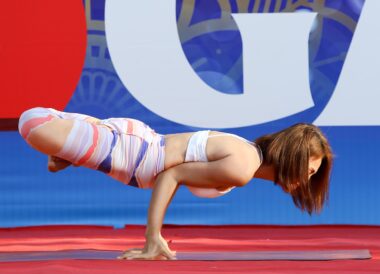
Another effective strategy to counteract declines in flexibility and coordination is engaging in mindful movements, such as yoga or tai chi. These practices not only focus on muscle stretching but also emphasize building awareness of one’s body in space. Yoga helps improve flexibility progressively and encourages relaxation, which can alleviate stress and tension, benefiting both mind and body. The slow, deliberate movements in tai chi enhance body awareness and balance, potentially reducing the risk of falls, a significant concern for seniors. As these disciplines promote a mind-body connection, practitioners often experience improved mental clarity and emotional stability alongside their physical benefits. It is advisable for older adults to explore local studios offering classes tailored specifically for their age group or even attend online sessions. Finding community support and encouragement in practicing these mindful movements can foster consistency and deeper engagement. As flexibility and coordination improve, participants often report increased confidence in their abilities to perform activities of daily living. Regular practice of these mindful movements contributes significantly to physical fitness, ultimately leading to a healthier lifestyle and enhanced quality of life.
Consistency is Key in Maintaining Flexibility and Coordination
Consistency is the cornerstone of maintaining flexibility and coordination, particularly for older adults. Most fitness experts agree that incorporating regular practice into daily routines significantly enhances physical abilities. Engaging in scheduled workouts focused on flexibility and coordination helps to develop muscle memory and improves overall performance over time. Aim to incorporate at least 30 minutes of physical activity into daily routines to achieve noticeable improvements. As individuals become more comfortable with varying exercises, adjusting intensity levels and difficulty can help ensure continued progress while preventing plateauing. Creating a calendar or a set schedule for workouts can aid in establishing and maintaining consistency. Additionally, joining exercise classes or groups provides a social incentive to participate regularly, fostering an encouraging environment where seniors can share their experiences and celebrate progress as a community. Furthermore, tracking progress, whether through journaling or using fitness apps, can provide motivation and a tangible sense of accomplishment. As older adults witness improvements in their flexibility and coordination, they are more likely to remain invested in their fitness journey. Commitment to consistency leads to long-term benefits and enhanced overall well-being.
Finally, monitoring and adjusting exercise practices as needs change is crucial for older adults. Physical capabilities may vary due to injuries, health conditions, or overall fitness levels. To effectively maintain flexibility and coordination, it is vital to listen to one’s body and adapt accordingly. Consulting with fitness trainers or healthcare professionals can provide personalized guidance tailored to unique self-assessments and capabilities. Targeted assessments can not only help identify areas requiring focus but also provide valuable insights into which exercises deliver the most benefits. Additionally, exploring newer methods or activities can reinvigorate one’s routine and keep the exercise experience fresh and enjoyable. Older adults should remain open to discovering modifications or alternative practices, catering to their own preferences, as this can reignite motivation. Creating a well-rounded fitness strategy combining flexibility, coordination, strength, and cardiovascular health ensures a holistic approach to staying active. Accepting that individual journeys vary can lead to greater satisfaction and commitment to health and fitness goals. Embracing change while staying consistent enables seniors to continue enjoying the benefits of improved flexibility and coordination.