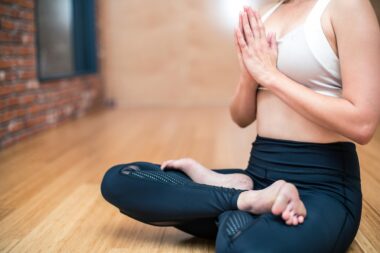

Designing a Pilates Routine for Optimal Spine Support
Pilates exercises can significantly enhance spine health, promoting alignment and flexibility. As you embark on your Pilates journey, it is crucial to design a routine that emphasizes exercises contributing to spinal strength. Focus on movements that engage the core and maintain the spinal integrity. Begin with classic foundational exercises such as the *Hundred*, *Roll-Up*, and *Single Leg Stretch*, which establish core engagement and precision. By incorporating these foundational moves, you cultivate better spinal alignment through controlled breathing and deliberate movements. Regular practice ensures the development of the deep abdominal muscles, crucial for a balanced spine. As you advance, include movements like the *Spine Stretch forward*, which aid in elongating the spine and improving posture. Ensure that you consult a certified instructor who can tailor the routine specific to your spine condition. Keeping a strict alignment during your Pilates workouts is vital to prevent injuries. Also, focus on moderate repetitions and always prioritize quality over quantity. As you progress, adapt your routine to suit deeper variations, enhancing spinal support accordingly. Maintain careful attention to your body’s responses during each session to tailor and optimize your Pilates practice effectively.
Essential Exercises for Spine Support
To create a comprehensive Pilates routine for spine health, incorporate essential exercises that emphasize stability and flexibility. Start with *Pelvic Tilts*, which are excellent for realigning the pelvis and spine. These are fundamental moves designed to help you connect breath with movement, ensuring optimal engagement of core muscles. Additionally, introduce the *Cat-Cow Stretch*; this dynamic movement warms the spine and encourages flexibility. Next, include the *Side Leg Lifts* to support lateral stabilization. This exercise enhances the strength of the hips and lower back, contributing significantly to overall spine health. The *Saw* is another beneficial exercise, which not only aids spinal rotation but also lengthens the spine while improving posture. Incorporating *Plank Variations* into your routine creates a solid foundation for spinal alignment. Engage your upper body while maintaining a strong core, integrating the whole body into one cohesive exercise. Remember to maintain controlled movements to prevent excessive strain. By regularly committing to a well-rounded Pilates practice incorporating these essential exercises, you will promote greater spinal health, enabling you to engage actively in daily activities.
Enhancing your spine health through Pilates also involves understanding the importance of proper alignment during exercises. Focus on your body alignment throughout your routine to avoid unnecessary strain, especially on the lower back. One of the key elements in Pilates is maintaining a neutral spine during exercises. This positioning allows the natural curves of the spine to be respected while promoting balance and stability. Avoid overarching your lower back or excessively tucking your pelvis, as improper alignment can lead to discomfort or injury. Engage your core muscles, draw your belly button towards your spine, and keep your shoulders relaxed and away from your ears. By practicing mindful alignment, each movement becomes more effective, enhancing spinal support and strength. In addition, remember to utilize breath effectively while executing each exercise. Coordinating your breath with movement enables better oxygen flow and muscle engagement. Lastly, consider your body’s proprioception—your awareness of positioning. Start with slower movements to refine your control over postural alignment. Over time, as you gain confidence, gradually increase exercise intensity and complexity for continual progress toward optimal spine health.
Integrating Breathing Techniques
Breathing techniques play an integral role in your Pilates routine, particularly for spine health. Effective breathing promotes the flow of oxygen throughout the body and aids in muscle activation during movement. Focus on diaphragmatic breathing, as it encourages deep, full breaths that engage the core muscles efficiently. This style of breathing provides stability to both the spine and the pelvis during exercises. As you exhale, consciously draw your belly button toward your spine, enhancing core stability; inhale while lengthening your spine and expanding your ribcage. Each breath allows increased awareness of your body’s alignment and movement patterns. Regular practice of controlled breathing techniques allows you to maintain concentration during your routine, improving overall focus on each exercise. For example, while performing the *Roll-Up*, coordinate your movement with your breath—exhale as you articulate your spine off the mat, inhaling as you roll back down. This connection between breath and movement fortifies your spinal alignment and enhances your ability to execute movements with precision. Ensure that you practice these breathing techniques consistently to maximize their benefits during your Pilates sessions, ultimately leading to improved spine health.
Maintaining proper focus and concentration during your Pilates practice is essential for achieving optimal spine support. Mindfulness in movement encourages you to be fully present, tuning into your body’s sensations and fostering better physical awareness. Start each routine with a few moments of centering, where you focus solely on your breath and body alignment. This intentional focus prepares your mind and body for the session ahead. Throughout your Pilates journey, consistently redirect your attention to your movements, ensuring that each exercise is intentional and controlled. Effective focus influences the quality of each exercise, reducing the risk of injury and promoting spinal health. Always be vigilant in observing your body’s alignment and adjustments that may be required during specific movements. If you notice discomfort or misalignment, reassess your positioning and engage your core more actively. Additionally, consider utilizing visualizations during your practice, picturing each vertebra supporting movement. This cognitive approach enhances your connection with your spine, reinforcing proper alignment and core engagement. This commitment to mindful practice will gradually lead to improvements in your spinal health and overall fitness.
Listening to Your Body
Listening to your body during Pilates practice is paramount for nurturing spine health. Each body is unique, and it’s essential to tune into the signals your body sends throughout your routine. Encourage self-awareness by regularly checking in with how your body feels during exercises. If you experience discomfort or strain, gently modify your movements to ensure alignment and avoid injury. Utilizing props, such as yoga blocks or straps, can provide additional support while maintaining proper form. Focus on the communication between your body and mind, giving attention to your breathing patterns and muscle tension. Assess your limits; it’s essential to challenge yourself, but pushing too hard can lead to setbacks. Establish a balance between challenge and comfort while progressing in your Pilates routine. Additionally, taking rest days is essential to allow your body to recover and rejuvenate. Marginal gains over time lead to robust results, so remain patient with yourself throughout this journey. As you foster a high level of body awareness, Pilates will become an invaluable tool for promoting optimal spine health and enhancing your overall physical well-being.
Finally, complement your Pilates routine with lifestyle choices that support spine health. Establishing a holistic approach towards your well-being contributes significantly to your spine’s overall condition. Begin by prioritizing nutrition—balanced meals rich in essential nutrients, vitamins, and minerals support muscle recovery and overall health. Hydration also plays a vital role; drink adequate amounts of water to maintain spinal disc health. Alongside a nutritious diet, consider incorporating gentle forms of exercise such as walking or swimming into your routine, promoting cardiovascular health while strengthening core and back muscles. Moreover, pay attention to ergonomic factors in your daily life—adjust your workspace to promote proper posture while sitting, ensuring your chair, desk, and screen height are optimal for spine support. Stretching regularly throughout the day can alleviate tension and improve flexibility, contributing positively to spine health. Lastly, ensure you prioritize quality sleep by maintaining a good mattress and pillow that supports proper spinal alignment. By combining these lifestyle elements with your focused Pilates routine, you can create an effective program for maintaining optimal spine health, enhancing your life overall.