
Full-Body Dumbbell Workout for Home Fitness
Dumbbell workouts are a fantastic way to engage in full-body training at home. They require little space and can be easily integrated into your daily routine. With just a set of dumbbells, you can perform a variety of exercises that target different muscle groups effectively. This full-body dumbbell workout will not only enhance your strength but also improve your endurance, flexibility, and overall fitness level. In this routine, you will work on major muscle groups including the arms, chest, back, legs, and core, ensuring a balanced workout. Remember, consistency is crucial, so aim to perform this workout at least three times a week for the best results. Warm up for about five minutes before starting, and always maintain proper form to prevent injuries. Ensure you have the right weight of dumbbells, typically starting light if you’re a beginner and gradually progressing as your strength improves. Pair this workout with a balanced diet for optimal results. Let’s delve into the exercises that will form the core of this incredibly effective full-body workout.
Essential Warm-Up
Before diving into your full-body dumbbell workout, it is paramount to perform a proper warm-up. This prepares your muscles, increases blood flow, and reduces the risk of injury during your workout session. You can start with dynamic stretches such as arm circles, leg swings, and torso twists for about five to ten minutes. Following that, consider including some light cardio like jumping jacks or high knees that effectively increases your heart rate. After your warm-up, you may feel more agile and less likely to sustain injuries when using weights. This routine allows your body to adapt and overcome the upcoming stresses performed during the workout routine. Take a few moments to center your breathing and focus your mind on your goals, maintaining an optimistic attitude. You can play some motivating music in the background to keep your energy levels high throughout the session. Engaging your mind as well as your body enhances the effectiveness of the workout. Finally, ensure you have a safe and clear space to perform your exercises, free from any obstacles or distractions.
Now that you are adequately warmed up, it’s time to dive into the first dumbbell exercise, the dumbbell squat. Holding a dumbbell in each hand, stand with your feet shoulder-width apart. Lower your body as if you are sitting back into a chair while ensuring your knees do not extend beyond your toes. This movement engages your quads, hamstrings, and glutes, making it a powerful compound exercise. Aim to perform three sets of 10-15 repetitions. Focus on using the dumbbells to add extra resistance, effectively increasing the intensity of the workout. Keep your core tight to maintain balance and support your back. The squat not only builds strength in your legs but also enhances core stability. As you become more proficient in your form, consider increasing the weight of the dumbbells to challenge your muscles further. Cool down and stretch your muscles adequately after completing your sets. Once you feel comfortable with squats, we can move on to the next exercise in our full-body routine, which is the dumbbell overhead press.
Dumbbell Overhead Press
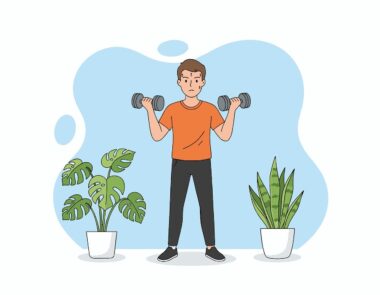
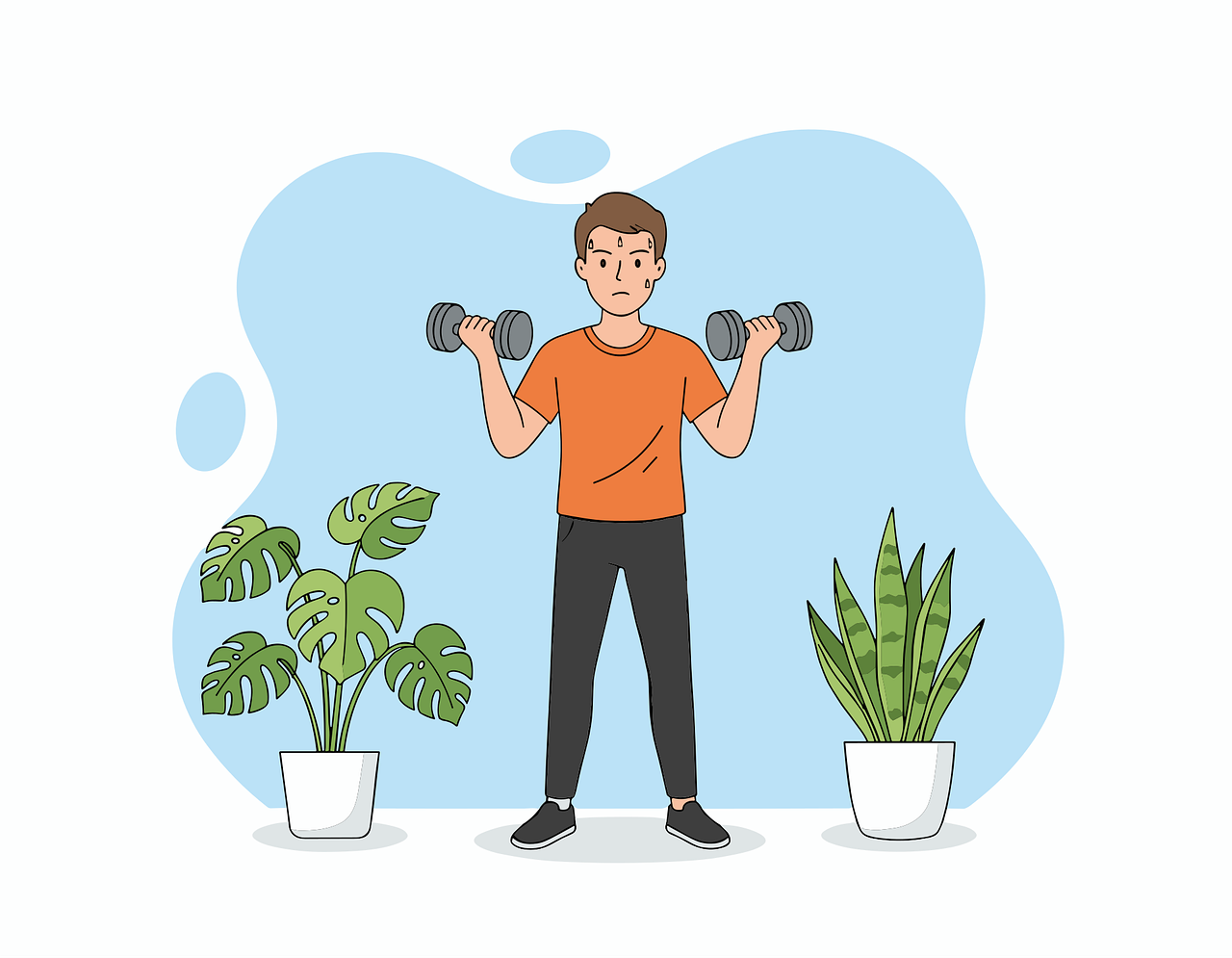
The dumbbell overhead press focuses on your shoulders, arms, and upper body strength. Start by standing tall with your feet shoulder-width apart and a dumbbell in each hand at shoulder height. Press the weights overhead until your arms are fully extended, then lower them back down to shoulder height. Ensure to engage your core throughout to avoid back strain. This exercise is highly effective for enhancing shoulder strength and stability, making it crucial in our full-body workout. For best results, aim for three sets of 10-12 reps at a manageable weight. As your form improves, feel free to increase your repetitions or the weight of the dumbbells. Remember to breathe properly during the movement: inhale while lowering the weights and exhale during the lift. Consider incorporating this exercise into your routine not only for strength but also for functional fitness, helping in daily tasks. After completing this exercise, it’s time to transition into the next powerful dumbbell-based move, the dumbbell bent-over row.
The bent-over row is excellent for targeting your back, biceps, and core. To perform this exercise, start by standing with your feet shoulder-width apart, holding a dumbbell in each hand. Bend slightly at your knees, keeping your back straight, and tilt your torso forward. Pull the dumbbells toward your waist while squeezing your shoulder blades together, then lower them back down. This movement not only strengthens your upper body but also enhances your posture. Try to perform three sets of 10-15 repetitions, focusing on a controlled movement for maximum effectiveness. Increasing the weight as you advance will help in building muscle strength and endurance over time. Ensure your elbows are close to your body during the lift to target the correct muscles efficiently. A good tip is to maintain a neutral spine throughout the execution of this exercise, which is essential for protecting your back. Keep this exercise as part of your regular routine, knowing it can dramatically improve your upper body strength. As we move forward, our next exercise targets the lower body yet again, with a stunning classic, the dumbbell lunge.
Dumbbell Lunges
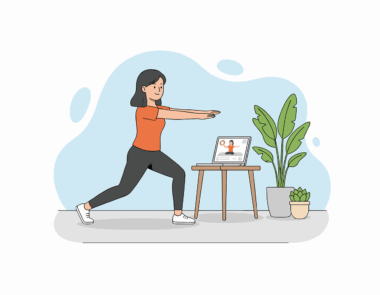
Dumbbell lunges work effectively on the quads, glutes, and hamstrings while improving balance and coordination. Start by holding a dumbbell in each hand. Step forward with your right leg, lowering your hips until both knees are bent at about 90 degrees. Your back knee should hover just above the ground, and your front knee should not extend beyond your toes. Push back up to the starting position and repeat with the left leg. Aim for three sets of 10-12 repetitions on each side to target your leg muscles thoroughly. You may change the style of lunges by trying reverse lunges or lateral lunges for added variety and challenges. Always prioritize form over quantity; focus on executing each rep with correct technique for safety and effectiveness. Remember to keep your core engaged and maintain an upright posture throughout the movement. Lunges are not just great for strength training but also significantly enhance functional activities, such as walking or running. Once done with lunges, we can move into a highly effective core exercise to conclude this full-body workout.
The final exercise in our full-body dumbbell workout is the dumbbell plank row, a perfect blend of core stability and upper body strength. Begin in a plank position with a dumbbell in each hand. Keep your feet shoulder-width apart for stability, and your body in a straight line from head to heels. While maintaining your core and balance, lift one dumbbell toward your hip, then lower it back down and repeat with the other arm. This movement targets your back, arms, and core simultaneously. Aim for three sets of 8-10 reps on each side, ensuring to breathe and maintain your plank form throughout the exercise. Engaging your core is essential to prevent rocking from side to side and is key for maintaining a strong position. As you progress, look to increase the weights of your dumbbells or your repetitions for additional challenges. Remember to cool down post-workout with gentle stretches focusing on the areas you’ve worked. Completing this routine will bring overall fitness improvement, promoting better health and well-being.
Conclusion
In conclusion, incorporating a full-body dumbbell workout into your home fitness regimen can lead to remarkable benefits over time. This workout routine not only enhances muscular strength but also improves endurance, flexibility, and coordination. Remember to focus on form, start with a weight that’s manageable for you, and progress as you develop strength. Consistency is the key to seeing results, so aim for regular sessions within your weekly schedule. Combine this strength training with proper nutrition, hydration, and rest to optimize your fitness journey. Always listen to your body, and don’t hesitate to modify the exercises if needed. Feel free to explore variations of the exercises to keep the routine fresh and engaging. Setting specific fitness goals can also motivate you to stay committed. Documenting your progress can provide valuable insights into your physical growth. Finally, enjoy every moment of your fitness journey with patience and dedication, as progress takes time. With perseverance, you will notice a positive transformation in your overall health and fitness levels.