
Strengthening Core Muscles: The Benefits of Postpartum Fitness
Postpartum fitness plays a crucial role in helping mothers regain their strength and stability after childbirth. One of the significant benefits is the strengthening of core muscles, which can be severely impacted during pregnancy. Specifically, exercises aimed at the core can help improve posture, alleviate back pain, and enhance overall physical balance. A strong core supports the body during daily activities and can prevent injuries. Additionally, engaging in postpartum fitness can boost energy levels, allowing new mothers to tackle their demanding routines with more vigor. Establishing a consistent routine not only improves physical health but can also contribute to emotional wellness. The increased release of endorphins during physical activity can elevate mood and reduce feelings of anxiety. Moreover, incorporating postpartum workouts can foster a sense of community as new mothers often engage in group classes. These social interactions provide emotional support, which is essential during this transitional phase. As new mothers focus on their fitness goals, they can experience significant improvements in their self-esteem and confidence. In summary, postpartum fitness plays a vital role in the journey to reclaiming strength and well-being.
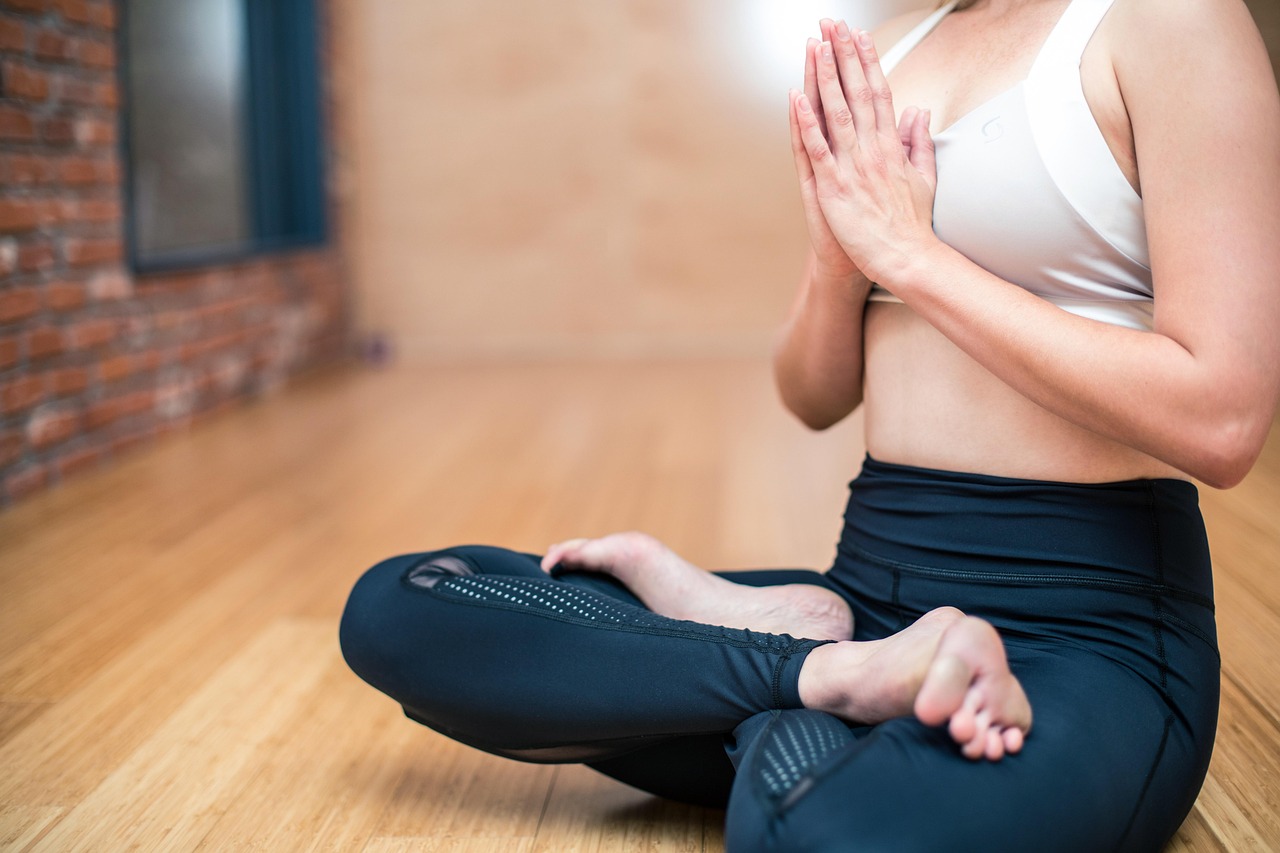
The core muscles encompass various muscle groups, including the abdominal muscles, back, and pelvic floor. Strengthening these areas through exercise leads to numerous benefits for postpartum recovery. Improved core strength enhances stability and can help in performing everyday tasks more efficiently. With targeted workouts, mothers can experience less discomfort, especially around their backs, as stronger core muscles help support the spine. Moreover, various fitness routines, like Pilates or yoga, emphasize the core, making them excellent options for postpartum recovery. These practices not only build physical strength but also promote relaxation and mindfulness, which can be beneficial in managing postnatal stress. Alongside core strengthening, postpartum workouts can also help in restoring abdominal separation, commonly known as diastasis recti. Gentle exercises focused on this condition can facilitate healing, allowing mothers to regain a firmer abdomen over time. In addition to physical benefits, the process of exercising post-birth contributes to emotional well-being. Many women report feeling empowered as they conquer fitness goals that seemed daunting initially. It’s essential for mothers to consult professionals when starting their postpartum fitness journey to ensure safety and efficiency.
Improving Overall Fitness and Well-Being
Postpartum fitness not only targets core strength but also enhances overall fitness and vitality. Engaging in regular exercise helps increase cardiovascular endurance, which is vital for mothers taking care of their newborns. Increased heart and lung capacity lead to improved stamina and resilience when managing the demands of motherhood. Effective routines integrate strength training with flexibility and aerobic activities, creating well-rounded fitness programs that support various body systems. These workouts promote better circulation, assist in weight management, and improve sleep quality. Many new mothers find that participating in fitness activities also facilitates self-care, which is often overlooked after childbirth. Taking time to focus on their health allows mothers to recharge and rediscover their own identities, separate from motherhood. Additionally, building fitness into daily routines sets positive examples for children as they grow. Kids are often motivated by seeing their parents stay active and healthy. Moreover, many programs available today offer adaptable exercises that can be done at home or in group classes, giving mothers flexibility based on their schedules and preferences. Ultimately, this simultaneously nurtures physical and emotional wellness.
Moreover, postpartum fitness contributes to strengthening social connections among mothers. Finding a community through group activities, online forums, or mothers’ workout classes fosters friendships that can last for years. Sharing experiences about adjusting to motherhood and supporting one another through fitness journeys builds a valuable support network. This camaraderie encourages accountability, motivation, and societal bonding, which is particularly important during such a monumental life shift. The transition into motherhood brings many challenges, and staying connected with others undergoing similar experiences can alleviate feelings of isolation. Additionally, shared activities help in managing stress and reducing anxiety levels that often accompany the postpartum period. Group fitness classes often create an inviting atmosphere where mothers can feel motivated and inspired to continue their fitness journeys. Women can set and meet goals together while encouraging each other along the way, creating a nurturing environment that extends beyond physical fitness. Participating in such activities can also empower women by reminding them of their strength and capability. This is crucial for overall mental health, providing a sense of normalcy as they adjust to motherhood and the physical changes it entails.
Setting Realistic Fitness Goals
As mothers embark on their postpartum fitness journeys, it’s vital to set realistic and achievable goals. Flexibility is essential as women’s bodies are still healing and adapting to the changes that accompany childbirth. Rather than focusing on rapid weight loss or intense workouts, prioritize gradual improvements in strength and endurance. Setting small, measurable goals, like improving workout intensity each week or adding an additional day of physical activity, can help maintain motivation. It’s best to emphasize consistency over perfection, recognizing that there will be both good days and challenging ones. Additionally, mothers should give themselves grace by acknowledging the time and energy spent caring for a newborn. It’s perfectly fine to start with gentle movements such as walking or postpartum-specific exercise routines before advancing to more rigorous workouts. With persistence and dedication, mothers can witness their progress unfold remarkably over time. Integrating exercises that they enjoy increases the chances of adhering to fitness plans. Celebrating these small victories promotes self-esteem and encourages ongoing commitment to fitness. Such strategies ultimately lead to sustainable lifestyle changes that positively impact both physical and mental health.
In addition, postpartum fitness can significantly influence mental health and emotional resilience. Engaging in regular physical activity releases endorphins that create feelings of happiness and reduce stress perceptions. This aspect is especially crucial for new mothers navigating various emotional changes post-birth. Exercise provides an outlet for anxiety while promoting feelings of control and accomplishment. Many women find solace in their workouts, as they often serve as private moments to focus on themselves amidst the hectic nature of motherhood. It also helps in regulating sleep patterns, which may be disrupted during the early months after delivery. By investing in time for self-care, mothers can improve their focus and patience, enhancing quality interactions with their babies and families. Furthermore, the habit of prioritizing fitness fosters a positive body image and acceptance, contributing to higher self-esteem as women gradually regain strength and fitness levels. Finding activities that they truly enjoy can make the process more fulfilling. Cumulatively, the emotional benefits derived from postpartum exercise cannot be underestimated, as they significantly contribute to a mother’s overall well-being, creating a positive feedback loop in both mind and body.
The Importance of Nutrition in Postpartum Fitness
While exercise is an essential component of postpartum fitness, nutrition plays a critical role in supporting recovery and overall wellness. Proper nutrition aids in the healing process and replenishes the body with vital nutrients after childbirth. Mothers should focus on incorporating whole foods, such as vegetables, fruits, whole grains, and lean proteins into their diets. A balanced diet not only supports energy levels during workouts but also enhances milk production for breastfeeding mothers. Staying hydrated is equally important, as it can impact physical performance and recovery. Including healthy fats, such as avocados, nuts, and seeds, can also provide necessary satisfaction and energy. Additionally, exploring meal planning options can simplify the process of maintaining a healthy diet amid the busy routine of new motherhood. Preparing nutritious meals in advance ensures that mothers have accessible options to support their fitness goals. Moreover, fortified snacks can be incorporated throughout the day, helping to sustain energy for both exercise and parenting duties. Recognizing the powerful link between nutrition and fitness allows mothers to navigate their postpartum journey holistically, ultimately guiding them to better health.
In conclusion, the benefits of postpartum fitness extend far beyond physical recovery. As new mothers embrace exercise, they strengthen their core muscles and increase overall resilience and emotional well-being. Establishing a fitness routine provides an opportunity for social interactions and enhances mental health, which is crucial for navigating the postpartum phase. With the right mindset and support, mothers can enjoy the process while rediscovering their identities and strengths. Setting realistic goals, prioritizing self-care, and focusing on holistic well-being can lead to fulfilling fitness journeys. It’s equally important to recognize the significance of nutrition as a foundation for recovery and physical performance. Through this multifaceted approach, mothers can experience profound transformations, not just in their bodies but in their overall outlook on motherhood and life. Each step taken toward fitness reinforces the idea that mothers deserve the time and dedication for themselves. With patience and persistence, postpartum fitness can lay the groundwork for long-term health, confidence, and empowerment. Future generations benefit significantly from seeing their mothers prioritize wellness, setting positive examples for active lifestyles. Ultimately, engaging in postpartum fitness is an extraordinary investment in both personal and family health.