
Building a Strong Core: Tips for Injury-Free Fitness
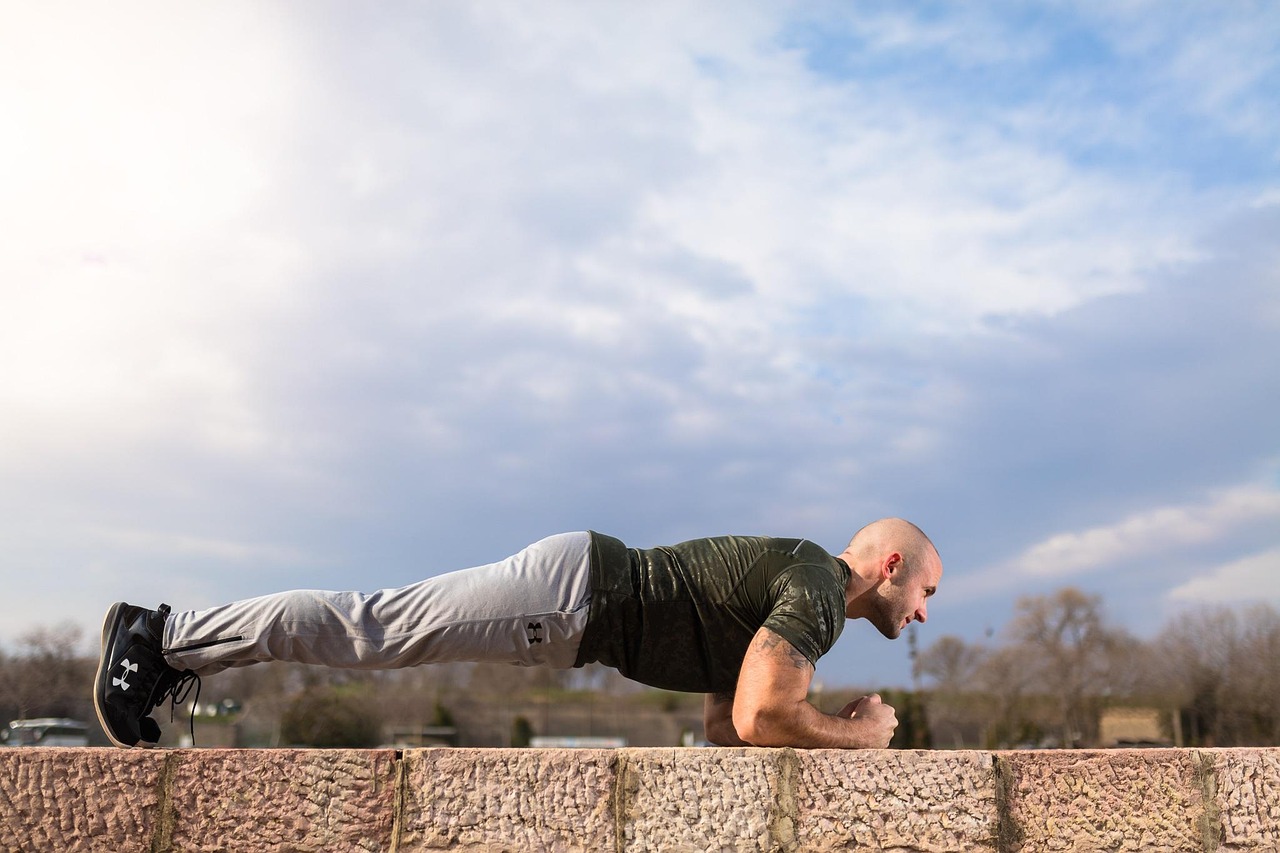
Strengthening your core is essential for overall fitness. A strong core improves posture, balance, and stability. This foundation supports every workout you do, whether you’re lifting weights or running. A weak core can lead to injury, limiting your ability to perform daily activities and engage in physical exercise. Core training should be a part of your routine, rather than an afterthought. It’s key for injury prevention and functional strength. Start with exercises that engage multiple muscles in your core, such as planks or stability ball workouts. Focusing on your core will enhance your performance in all physical activities. It’s advisable to maintain proper form during exercises to maximize effectiveness and minimize risks. Gradually increase the intensity and complexity of your workouts while ensuring you maintain good form. Mixing up your routine can prevent boredom and help you hit your fitness goals effectively. Listening to your body is crucial; if something feels off, adjust your exercises or take a break. Remember, consistency is key to building and maintaining core strength, so try fitting core workouts into your schedule regularly.
Incorporating variety into your core workouts keeps them engaging and effective. Aim to perform a range of different exercises targeting various core muscles. For instance, you can include moves like Russian twists, cable woodchoppers, and bird dogs. These exercises challenge your body differently, promoting overall strength and stability. You can also use equipment like stability balls, resistance bands, or kettlebells for added difficulty. This variety enables you to work on both the larger muscles, such as the rectus abdominis, and the smaller, stabilizing muscles. Pay attention to your breathing; exhaling during the exertion phase of an exercise can enhance overall performance and control. Incorporate core training into your warm-up or cool-down sessions to make it less daunting. The focus isn’t just on how many repetitions you can do but on doing them correctly. Quality over quantity matters significantly in core training; prioritize form and control over sheer numbers. This ensures that your muscles are engaged effectively and reduces injury risks. The addition of balance and stability challenges can offer new dimensions to your workouts as you progress.
Benefits of Core Training
Core training comes with a plethora of benefits that go beyond just aesthetics. A strong core enhances sports performance, improving your ability to engage in activities like running, swimming, or cycling. It helps to maintain balance during dynamic movements, providing a solid foundation for your limbs during athletic activities. Additionally, it significantly reduces the risk of injuries. Many injuries stem from weak core muscles, as the core acts as a stabilizer for the entire body. Improved posture is another vital benefit. Many individuals struggle with back pain due to poor posture, which a strong core can alleviate. When your core muscles support your spine, you have better alignment and less strain on your back. Moreover, enhanced balance enables you to engage in activities that require stability, such as yoga or martial arts. A stronger core can even lead to more efficient movement patterns in daily life. You’ll find that routine activities become easier and more manageable when your core strength is improved. Investing time in core training reveals benefits that reach all facets of physical activity and daily life.
Incorporating specific exercises into your routine will yield the best results. Planks are among the most effective for core stability and can be easily modified to suit various fitness levels. Start with basic holds and progress to side or extended planks for increasing challenges. Another great exercise is the dead bug, which enhances coordination while engaging your core effectively. As you advance, consider kettlebell swings, which engage the core while also providing a cardiovascular workout. For added challenge, implement rotational movements like the medicine ball twist. Remember to focus on form and engage your core throughout every movement. Aim for high quality in your reps rather than just high counts. The ability to contract your core muscles during exercises is a skill that requires practice. Integrate breathing techniques into your workouts; they can significantly improve your core engagement. Consider scheduling regular assessments of your core strength to track your progress and make necessary adjustments as needed. Progressing in your core training not only enhances your physical capabilities but also builds your confidence and overall fitness.
Injury Prevention Techniques
Injury prevention is crucial for anyone engaging in physical activity. Prioritizing core training is a smart approach. It’s important that you develop a routine that encompasses effective warm-up exercises. Begin with dynamic stretches and mobility drills targeting the trunk. These pave the way for a successful workout session. Engaging in proper exercises and maintaining a healthy lifestyle can also mitigate risks. Gradually increase workout intensity, respecting your body’s limits to avoid overexertion. Utilize exercises like the bridge and side plank, as they are excellent for building a robust core while ensuring stability. Incorporating flexibility training is equally important. Consider adding yoga or Pilates to improve overall flexibility and strength. This can keep muscles supple and ready for physical demands. Rest and recovery are critical aspects of injury prevention. Make sure you allot time for your body to heal following workouts. Listen to signals your body transmits, like pain or discomfort. Recovery techniques, including foam rolling and stretching, can help maintain muscle health. Adapting a balanced schedule of activity and rest promotes a sustainable fitness journey, further strengthening your core.
As you delve deeper into core training, it’s fundamental to embrace the principles of strength, flexibility, and endurance. These principles create a robust foundation that not only improves performance but also lays the groundwork for long-term health. Prioritizing a holistic approach can lead to well-rounded fitness, reducing the risk of injuries. Work on dynamic exercises that challenge your core under different conditions. Examples include Pilates or functional training that mimics real-life activities. Don’t forget to cross-train to develop complimentary muscles. Engaging with varied fitness modalities can help recruit and stabilize core muscles. Additionally, using biofeedback tools can enhance training outcomes, ensuring you’re effectively using the correct muscles during workouts. Monitor your movement patterns with app assistance or wearable technology to perfect your form. This awareness can prevent injuries by alerting you to improper mechanics. It’s crucial to respect your progress; core strengthening is a journey that takes time. Consistency and dedication are the keys. Track your progress and celebrate small milestones as you grow. Ensuring that your training remains fun and rewarding is vital to sustaining motivation.
Conclusion: Commitment to Core Strength
Commitment to core strengthening transcends merely achieving aesthetic goals. The functional advantages of a strong core are invaluable throughout life. Establishing a regimen focused on core training creates a solid foundation for all other fitness pursuits. As you engage in your dedicated practice, remember to adapt exercises for your personal fitness level while continually increasing the challenge. Maintain focus on form and breath, understanding that these elements contribute to effectiveness and safety in workouts. Building core strength requires patience, perseverance, and dedication, but it pays immense dividends in your overall fitness. Whether you are an athlete or a casual fitness enthusiast, core strength impacts everything from everyday mobility to sports performance. Consistent effort will help you reap benefits in stability, strength, and reduced injury risk. Engage with a fitness community or seek guidance from a professional to remain inspired and committed. Understanding and implementing these core training strategies will facilitate injury-free workouts. This focus creates a safer, enjoyable exercise environment. Invest in your core health today, and embrace a robust, resilient fitness journey moving forward.
Strengthening your core is essential for overall fitness. A strong core improves posture, balance, and stability. This foundation supports every workout you do, whether you’re lifting weights or running. A weak core can lead to injury, limiting your ability to perform daily activities and engage in physical exercise. Core training should be a part of your routine, rather than an afterthought. It’s key for injury prevention and functional strength. Start with exercises that engage multiple muscles in your core, such as planks or stability ball workouts. Focusing on your core will enhance your performance in all physical activities. It’s advisable to maintain proper form during exercises to maximize effectiveness and minimize risks. Gradually increase the intensity and complexity of your workouts while ensuring you maintain good form. Mixing up your routine can prevent boredom and help you hit your fitness goals effectively. Listening to your body is crucial; if something feels off, adjust your exercises or take a break. Remember, consistency is key to building and maintaining core strength, so try fitting core workouts into your schedule regularly.