
The Impact of Yoga on Sleep Quality and Stress Reduction
Yoga is a practice that has been embraced worldwide for its numerous health benefits. One area where it shows significant promise is in the realm of sleep quality and stress reduction. People who struggle with insomnia or anxiety often find solace through yoga. By incorporating calming poses and breathing techniques, yoga promotes relaxation and helps quiet the mind. Research indicates that engaging in a regular yoga routine can lead to improved sleep. Natural bodily rhythms are enhanced, leading to longer and more restorative sleep phases. Additionally, the meditative aspect of yoga supports mental clarity and aids in releasing pent-up tension. Overall, yoga can be a powerful ally for those seeking sleep improvement and stress management. By utilizing tools such as pranayama and meditation, practitioners can cultivate a state of calm. Hence, it’s no surprise that yoga is increasingly recommended by healthcare professionals to aid with sleep disturbances and significant stress levels. Aspiring yogis are encouraged to explore different yoga styles to find the best fit for their individual needs. This exploration can ultimately lead to profound changes in their lives.
Understanding the Mechanisms of Yoga for Stress Relief
To truly appreciate the impact of yoga on stress and sleep, it’s important to understand the mechanisms involved. Yoga operates on a threefold basis, targeting the physical, mental, and emotional dimensions of a person. Firstly, it encourages physical movements that help release tension stored within the body. Secondly, the mental focus required during yoga practice allows the brain to divert attention from stressors. Finally, yoga has powerful emotional benefits, as it promotes a sense of peace and self-acceptance. Techniques such as deep breathing help lower the production of stress hormones like cortisol. Additionally, yoga’s emphasis on mindfulness facilitates a reduction in anxious thoughts, allowing practitioners to be present in the moment. When practiced regularly, these combined benefits contribute to less perceived stress, which in turn offers profound effects on sleep quality. Users often report falling asleep faster and enjoying deeper sleep cycles, leading to improved energy levels. In essence, yoga participants physically, mentally, and emotionally reprogram their responses to stress, gaining not just transient relief but sustained improvement in their overall well-being.
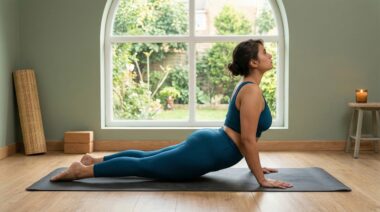
Yoga as a practice encompasses various forms and styles. Some types emphasize gentle stretching, while others involve more vigorous movements. For stress relief, restorative yoga and hatha yoga are great focuses. These forms encourage relaxation, calming the nerves, and unwinding the body. Additionally, integrating specific poses known to ease stress can also yield significant benefits. Some practitioners find styles involving meditative breath work, such as Kundalini or Yin yoga, equally helpful for mental clarity. Certain poses like Child’s Pose or Legs-Up-the-Wall are known to calm the nervous system. Moreover, participating in yoga settings offers a community aspect, which can further alleviate feelings of isolation and anxiety, thus promoting better sleep. Many people find that when they cultivate a sense of connectedness, it can mitigate everyday stressors. Furthermore, this social component can lead to stronger motivation for regular practice, enhancing the impact of yoga on both stress relief and sleep quality. As a result, creating a personalized practice that resonates with individual preferences is crucial to achieving desired outcomes.
The Role of Breathwork in Yoga for Better Sleep
Breathwork plays a pivotal role in yoga’s ability to enhance sleep quality. When practiced correctly, conscious breathing techniques can significantly lower heart rates and induce relaxation. This process supports the parasympathetic nervous system, the body’s natural restorative state. Techniques such as ujjayi breathing involve deep inhalations and exhalations, which create soothing sensations. This focus on breath not only relaxes the body but also curbs harrying thoughts that disturb sleep. Additionally, certain breath patterns facilitate emotional release, reducing the grip of stress and anxiety. When pranayama exercises are integrated into a regular practice, they can help reset the body’s stress response. Moreover, research indicates that practicing breathwork leads to increased melatonin levels, the hormone responsible for sleepiness. Consequently, incorporating breathwork within a yoga routine influences the overall effectiveness of the practice. Those who prioritize breathwork in their yoga sessions often report a noticeably calmer mind, making falling asleep easier and staying asleep longer. It becomes evident that breathwork is not just an accessory in yoga; it is a crucial component in achieving both stress reduction and sleep improvement.
The beneficial effects of yoga are not limited to just the momentary feelings of relaxation during classes. Many individuals find that consistent yoga practice cultivates long-lasting changes in emotional and physical well-being. Over time, participants often develop a heightened awareness of their bodies and mental states. This awareness translates to better stress management because yogis learn to recognize stress signals and respond with appropriate coping mechanisms. Regular practitioners might also find that physical flexibility leads to mental adaptability, fostering resilience against stressors. Improved sleep patterns are another crucial outcome of sustained yoga practice. Peaceful sleep is essential; not only does it restore the body, but also enhances mood and cognitive function. Furthermore, incorporating mindfulness and meditative components in yoga helps foster a greater sense of control over one’s thoughts. With mindfulness, practitioners become equipped to detach from stress-inducing ideas, enhancing mental clarity and emotional stability. Hence, individuals looking to mitigate the impacts of anxiety and to enhance sleep quality should consider a dedicated yoga routine. This consistency promotes significant psychological and physical resilience in navigating daily challenges.
Combining Yoga with Other Stress Relief Techniques
To enhance the practice of yoga for stress relief, combining it with other techniques can prove beneficial. Integrating mindfulness meditation, for example, can amplify the tranquility experienced during yoga sessions. Practitioners can also add guided visualizations, essential oils, or soothing music to deepen relaxation effects. Research shows that multi-faceted approaches yield better results in managing stress and improving sleep. After yoga, engaging in activities such as journaling or progressive muscle relaxation can extend the relaxation response. Furthermore, establishing a nighttime ritual incorporating yoga can condition the body for sleep. This could include gentle stretches followed by meditation, creating a physiological link between yoga and bedtime. Participants often report that these rituals provide a smooth transition to rest. It’s vital to explore and personalize combinations to find what works best. Some may benefit from aromatherapy, while others find comfort in listening to calming sounds. Regardless of the method employed, consistency is key. Merging yoga with complementary practices can greatly enhance overall stress relief and pave the way for deeper, more restorative sleep experiences.
In conclusion, the impact of yoga on sleep quality and stress reduction is both profound and well-documented. As individuals increasingly face the pressures of modern life, stress management becomes crucial. Yoga presents a viable and holistic solution for those grappling with sleep issues or heightened anxiety. Its multifaceted approach encompasses physical postures, focused breathing techniques, and mindfulness—all contributing to alleviating stress. By cultivating awareness and promoting relaxation, yoga empowers individuals to reclaim control over their sleep and well-being. Whether through active styles or restorative practices, people can tailor their yoga journeys to meet personal needs. With regular practice, many emphasize not only improvements in sleep quality but also heightened resilience against stress and anxiety. It is evident that integrating yoga into daily life has far-reaching positive effects on both mental and physical health. For those considering a path to stress relief and improved sleep, yoga stands out as an inviting and effective option worth exploring. Making it a part of their routine could very well lead to the transformative benefits that many practitioners report.