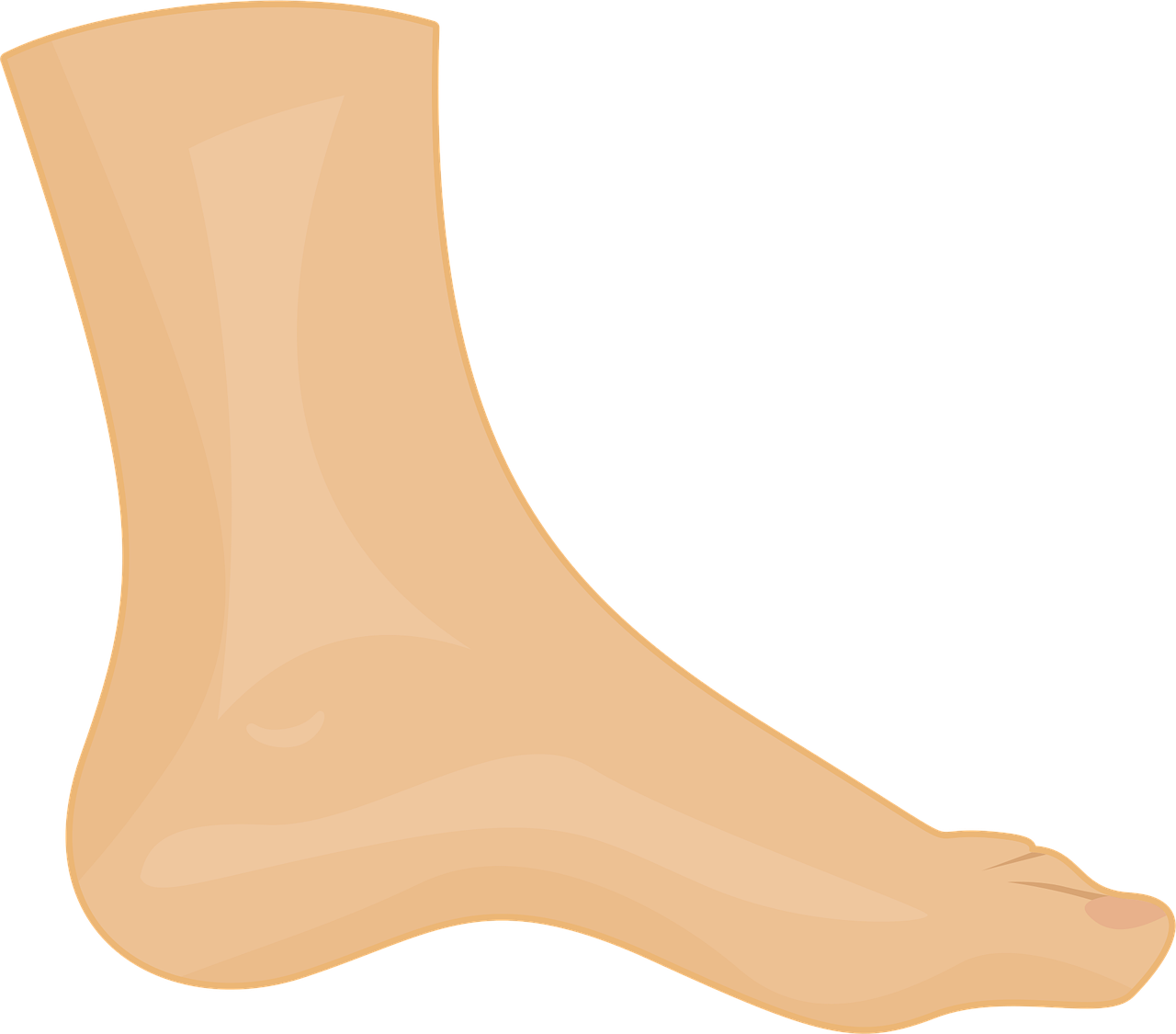

Ankle Mobility Drills to Improve Functional Movement Patterns
Ankle mobility is a crucial aspect of any functional fitness routine, primarily because it significantly impacts overall movement patterns. The ankles bear the brunt of weight during many activities, such as squats or running. Having sufficient mobility enables better stability, balance, and prevents injuries. It’s common for people to overlook ankle flexibility, expecting local stretching exercises to suffice. However, improving this mobility requires a combination of specific strategy drills that promote strength, flexibility, and range of motion. Incorporating these drills into a warm-up or cool-down routine can lead to significant benefits. Examples include calf raises, ankle circles, and forward lunges with ankle stretching at the bottom position. Regular practice helps maintain and improve your mobility and overall performance in exercises as well. Addressing ankle mobility is beneficial, particularly for individuals engaged in sports or fitness disciplines that demand agility. Efficient ankle mobility drills stimulate the muscles and connective tissue surrounding the joint, ensuring that the ankle joint operates optimally throughout your workout sessions. Consistency in these practices also leads to physical and functional enhancements in daily movements.
Understanding the mechanics behind ankle mobility is vital for proper exercise execution. The ankle joint comprises several components, including bones, ligaments, and tendons, all contributing to its function. When ankle mobility diminishes, compensatory patterns often develop in other joints like the knees and hips. This can lead to inefficient movement mechanics and, ultimately, injury. Therefore, focusing on effective ankle mobility drills nourishes not only your ankle health but your entire biomechanics. When developing a mobility practice, include a variety of movements exploring different planes of motion. This involves not just forward and backward ankle flexion but also lateral or rotational movements. Another overlooked aspect is the strength of the surrounding muscles, which can be fostered through resistance training. Incorporate banded exercises that promote active flexion and extension to enable dynamic changes. It is commonly suggested to perform mobility drills at least three times per week, increasingly the number of repetitions or hold duration gradually. Monitoring progress is vital. Many fitness enthusiasts utilize tools like goniometers to assess their range of motion before and after their mobility sessions. Tracking enhancements offers motivation.
The Importance of Ankle Mobility in Functional Fitness
The role of ankle mobility is intrinsic to functional fitness as it facilitates overall movement quality. Adequate ankle range of motion allows for deeper squats, more powerful jumps, and better running form. Ankle stiffness can hinder performance by limiting squat depth, as tight ankles may force compensatory movement patterns. Functional fitness emphasizes the importance of training natural movement patterns that mirror daily activities. A deficiency in ankle mobility can lead to compensations in the knees and hips, ultimately increasing injury risk. Therefore, integrating drills that target ankle flexibility and strength directly enhances overall functional capabilities. Several studies suggest that including mobility-focused training in a routine positively affects athletic performance. It is essential for those who engage in plyometric and explosive exercises to heed the messages of their ankle health. Some effective drills for maintaining and enhancing ankle motion are heel raises and toe walks. Additionally, using tools like foam rollers or lacrosse balls on the calves and foot arches can help release tension. Listening to your body and knowing when to include mobility drills is essential to guide a safe and stable exercising process.
The following sections will delve deeper into specific techniques that can be employed to improve ankle mobility. Practitioners must be introduced to various drills as well as recommended frequencies and recovery tips. Each drill should be purposefully selected and performed with awareness of technique. Common suggestions include dynamic stretches that not only prepare the ankle but also engage the entire kinetic chain. Simple calf stretches against a wall can offer immediate feedback through body awareness. Another effective drill includes the weighted forward lunge with an emphasis on the front foot’s ankle flexion. Engaging the posterior chain through heel-walking and toe-walking can also serve as effective exercises to mix into any warm-up. Along with these movements, use resistance bands to work on lateral and rotational motions. Here, anchored bands can create resistance while executing various ankle flexion and extension patterns. Consistency is key in reaping the benefits of these drills. Monitoring gradual changes through flexibility tests allows practitioners to visualize advancements in ankle health. A well-structured program focusing on mobility will easily translate into enhanced athletic performance during workouts.
Additional Tips for Effective Ankle Mobility
Incorporating ankle mobility drills into your fitness regimen is vital not just for elite athletes but for anyone engaging in physical activities. Remember to prioritize quality over quantity. When it comes to mobility, a few well-executed reps can yield more profound benefits than countless poorly executed ones. Focusing on correct body alignment will ensure you maximize the effects of each drill while decreasing the risk of injury. Maintain awareness of how your body feels during each movement. If a drill becomes painful, it is essential to stop and reassess your form or take a break. Additionally, consider aligning your mobility training with your main training style or theme of the session. For instance, if your day focuses on leg strength, employ ankle drills to enhance mobility before or after the workout while allowing ample recovery time. Engage your mind during these exercises, reminding yourself of the goal: increased movement freedom. Obtaining adequate hydration and warm-up before your mobility drills will also support overall improvement.
Recovery strategies play an essential role in ankle mobility development. Post-workout routines may include static stretching of the calves, soleus, and ankle stabilizers to encourage flexibility. After implementing ankle drills, consider icing or applying heat to soothe any localized tension. Manual therapy such as foam rolling directly around the ankle joint can promote recovery and elasticity. Additionally, maintain a focused approach to ankle mobility throughout your weekly training plan. Consider scheduling a combination of functional mobility and restorative practice to create a balanced routine. Using diverse angles and positions can help engage target muscles appropriately. Incorporate exercises like wall ankle mobilizations to encourage proper motion declarations. Consider integrating everyday activities, such as climbing stairs or walking barefoot on different surfaces, to stimulate and challenge your ankle’s adaptability. Keep the exercises varied to prevent boredom and stagnation in progress. Listening to your body will signal when to rest or focus on recovery types. Ultimately, these strategies lay the foundation for improved ankle functionality, positively influencing athletic performance and daily activities.
Concluding Thoughts on Ankle Health in Fitness
In conclusion, ankle mobility serves as a fundamental element of functional fitness that cannot be overlooked. Enhanced ankle movement positively impacts various performance aspects by enabling smoother transitions in exercises. Participants improve their strength, stability, and power output through various mobility drills targeting the ankles, calves, and lower leg. Establishing consistency with ankle mobility strategies not only augments performance but reduces the risk of injuries acquired through repetitive movements. As with any fitness journey, the commitment to ankle mobility requires awareness and adaptation. Adjust drills to suit individual needs, as everyone’s mobility restrictions vary. Balancing muscle strength and flexibility is key, and the best way to achieve that is to challenge the body in different ways. Share knowledge of effective drills with peers and encourage each other on the path towards improved ankle mobility. Remember, the ultimate objective is to achieve functional improvements that support overall wellness. Stay focused on your goals, and as you delve deeper into mobility training, maintain enthusiasm and curiosity. This approach will yield remarkable benefits over time and greatly enhance athletic pursuits.
As you incorporate some of these strategies into your routine, don’t forget to evaluate your progress continuously. Keeping a training journal or recording your progression in terms of flexibility can be an incredibly effective motivational tool. Document the range of motion achieved in various angles and postures to track improvements. Include notes about how you feel during specific drills, possibly identifying which ones challenge you most effectively. Encourage experimentation with new activities that enhance ankle mobility while breaking the monotony of routine. Explore additional resources and learn from the broader fitness community, creating a collaborative environment. By utilizing this holistic approach, you engage not just the physical but emotional attributes that bolster motivation in your fitness journey. Should you encounter setbacks, remember to adapt your strategy rather than abandon it. Mobility improvement is not linear; expect fluctuations along your progress path. Stay persistent and visualize the long-term rewards.r. Ultimately, you will notice significant improvements in your overall functional movement, athletic performance, and activities of daily living. This commitment translates into a more vibrant, active lifestyle that prioritizes wellness and injury prevention through enhanced mobility.