
How to Choose the Right Heart Rate Monitor for Your Fitness Goals
Heart rate monitors have become increasingly popular for fitness enthusiasts looking to optimize their training sessions. With several models available, selecting the right device depends on various factors. First, consider your fitness goals. Are you aiming to lose weight, improve endurance, or train for a competition? Understanding this will help narrow down your options. Next, evaluate the monitor’s accuracy. High-quality monitors are designed to provide reliable readings, which are essential during workouts. Battery life is another important aspect. You’ll want a monitor that can last through long training sessions without needing frequent recharging or battery replacement. It’s also crucial to assess the type of monitoring technology used, whether it be optical sensors, chest straps, or wrist-based monitors. These options vary in precision and comfort. Additionally, many modern monitors offer features such as Bluetooth connectivity and compatibility with fitness apps, enhancing your overall training experience. Finally, price is a significant factor as there are budget options and premium models. By considering these elements, you can select the heart rate monitor that best aligns with your fitness objectives.
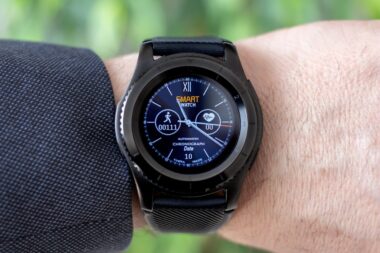
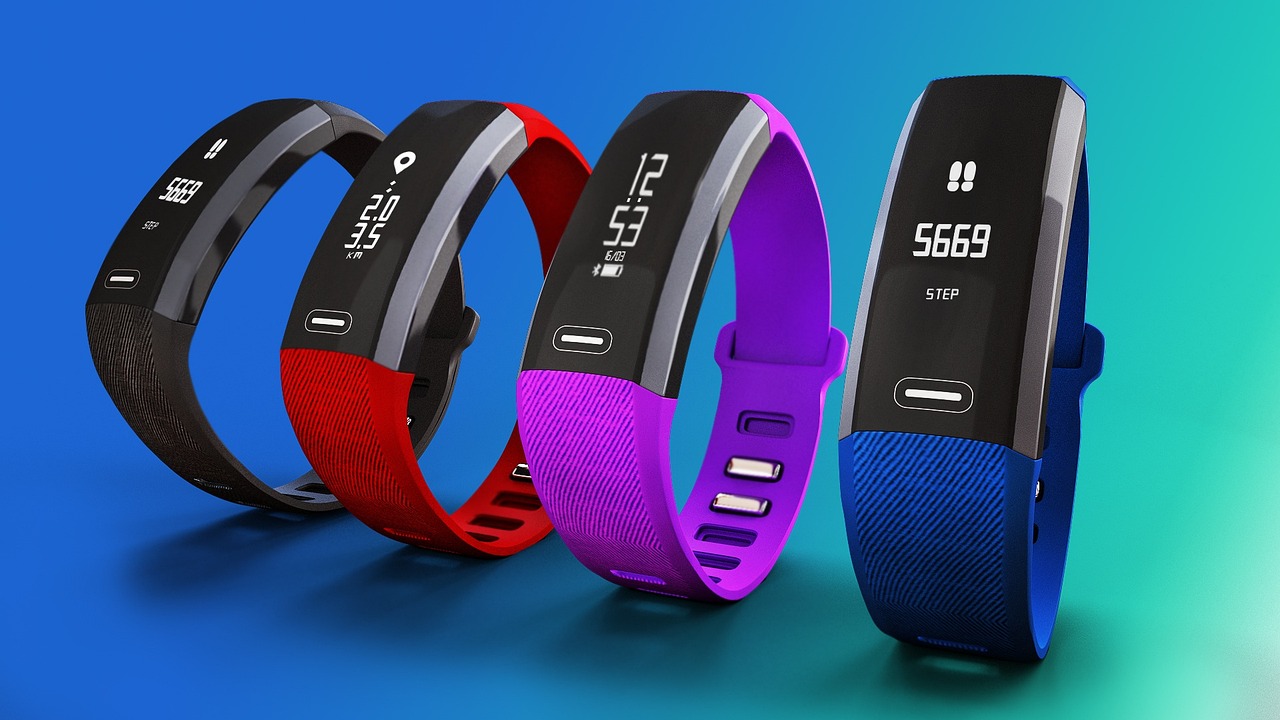
When evaluating the various brands available for heart rate monitors, it’s vital to recognize that not all are created equal. Some brands, like Garmin and Polar, are renowned for their high-quality, accurate monitors designed specifically for athletes. Others, however, may offer less reliable readings or limited functionality. Reading customer reviews on models you are interested in can provide valuable insights and help steer you in the right direction. Check for product ratings and feedback regarding accuracy, comfort, and longevity. This due diligence can save money and frustration in the long run. Another key feature to explore is the design of the monitor. Some users prefer wrist-mounted models for their ease of use, while others find chest straps more accurate, especially during intense workouts. Choosing a device that is both comfortable and practical for your needs is essential for consistent use. Look for adjustable straps, lightweight materials, and water resistance if you plan to wear your monitor during swimming or other outdoor activities. A well-designed heart rate monitor will enhance your motivation and commitment to reaching your fitness goals.
Additional Features to Consider
While basic heart rate monitoring is essential, many devices come with additional features that can significantly enhance your fitness journey. For example, some models include built-in GPS tracking, allowing you to map your running or cycling routes without needing a smartphone. This added functionality can be beneficial for outdoor workouts, helping you analyze your performance over time. Furthermore, many heart rate monitors provide recovery suggestions based on your heart rate data, helping you to avoid overtraining and fatigue. This aspect can be crucial for athletes as it facilitates optimal recovery. Additionally, some heart rate monitors support integration with fitness apps, enabling you to track your progress over time and stay accountable to your goals. These apps can provide personalized workout recommendations based on your heart rate trends and performance metrics. Finally, consider a device’s user interface—an intuitive screen with easy-to-navigate menus makes for a seamless experience. An attractive and user-friendly design will ensure you are more likely to use the device consistently, maximizing the benefits of your heart rate monitoring.
Another aspect to address when selecting a heart rate monitor is usability and comfort during workouts. A device that is uncomfortable can discourage you from wearing it consistently, impacting your performance tracking. Opt for monitors with padded straps or those designed to fit snugly yet comfortably around your wrist or chest. Many modern models also highlight sweat-proof materials, making them suitable for rigorous workouts without causing discomfort. Ease of use is equally critical; sleek and straightforward interfaces will allow you to focus on your workout rather than wrestling with settings. Make sure to look for features such as large buttons or touch screens that are easy to navigate even while on the move. Some monitors also offer customizable screens, enabling users to view specific data in real time, like current heart rate, calorie burn, and more. Being able to quickly glance at vital information can enhance training efficiency and enjoyment. Understanding this factor also helps ensure that you keep up with the habit of wearing your monitor consistently. Comfort, usability, and an efficient interface are crucial for long-term use.
Compatibility with Other Devices
As technology continues to evolve, compatibility with other devices is a vital consideration when purchasing a heart rate monitor. Many modern monitors can sync with smartphones, tablets, and various fitness apps, enhancing data collection and analysis. This capability can allow you to monitor your progress more effectively and gain insights into your performance trends over time. Finding a monitor that seamlessly integrates with your existing devices, such as fitness trackers or smartwatches, can provide comprehensive health tracking solutions. Moreover, some heart rate monitors offer additional features, such as notifications for calls and messages, reducing the need to check your phone constantly. This integration allows you to maintain focus on your fitness goals while staying connected. Ensure that the monitor you choose has the necessary compatibility with your smartphone’s operating system—this may be Android or iOS. Users often appreciate devices that support multiple platforms, making them more versatile when paired with other fitness tech. Therefore, exploring compatibility, software requirements, and additional functionalities are essential steps toward selecting the right heart rate monitor.
Lastly, warranty and customer support should not be overlooked when investing in a heart rate monitor. A robust warranty can provide significant peace of mind, especially with advanced tech devices that may encounter issues. Look for companies that offer at least a one-year warranty covering defects and malfunctions. Such assurances suggest confidence in the product’s quality and durability. Furthermore, customer support is essential when facing troubleshooting challenges or seeking advice on usage. It’s advantageous to select brands that have well-established customer service channels, whether through chat, email, or phone, which makes resolving issues manageable and efficient. Research what support options are available and how previous customers have rated their experiences. Some companies also provide user manuals, online tutorials, and community forums to help guide users in getting the most out of their devices. A strong support framework can equally enhance the overall experience of using your heart rate monitor. By prioritizing warranty and customer service, you ensure a smoother experience as you pursue your fitness objectives.
Wrapping Up
Choosing the right heart rate monitor is a crucial decision for enhancing your fitness journey. By ensuring that you consider your fitness goals, individual requirements, and preferences, you can make an informed choice. Evaluate your options based on features, usability, compatibility with other devices, comfort, and long-term reliability. Researching brands, reading customer reviews, and understanding technical aspects can further build your confidence in your purchasing decision. Don’t forget about the importance of trustworthy customer service and warranty when investing in any tech product. As you embark on this journey, a fitting heart rate monitor will not only help you track your efforts but also motivate you to push your limits continually. Equipped with this knowledge, you’ll be well-prepared to choose a monitor tailored to your unique fitness requirements. With the right device, you can monitor increases in endurance, improvements in heart health, and overall fitness progress. Remember to keep assessing your goals—your heart rate monitor will help you stay aligned with what you want to achieve in your fitness journey.
In conclusion, investing in a quality heart rate monitor is essential for any individual serious about achieving their fitness goals. The right monitor will provide valuable insights and enable you to tailor your workouts effectively. Emphasizing comfort, usability, and accurate readings can empower your journey and enhance your training results. Consider each feature based on how it aligns with your current lifestyle and aspirations. Remember that technology should enhance your exercise experience, not complicate it. With various options available, there’s sure to be a heart rate monitor that meets your needs and preferences. As consdierations include those features that directly support your desired outcomes, take your time to explore different models and brands before making a decision. Whether you choose a simple model for basic tracking or a more advanced device with comprehensive features, prioritizing quality will lead to all-around satisfaction. Ultimately, the right heart rate monitor is a tool that can help you stay motivated, keep track of your progress, and reach your fitness goals effectively and efficiently.