
The Role of Balance and Coordination Exercises in Anxiety Management
Anxiety disorders are increasingly becoming prevalent, affecting millions worldwide. Engaging in physical activities has shown promise in psychological health, particularly balance and coordination exercises. These types of exercises play crucial roles in managing anxiety levels. They not only help the body physically but also stimulate mental well-being. Exercises such as tai chi, yoga, and simple balance exercises can affect the body positively. Regular practice enables a person to connect mind and body, promoting relaxation and focus. Scientific studies indicate that these activities can reduce anxiety symptoms and enhance overall mental health. Coordination exercises improve stability and prevent falls, which is beneficial as anxiety sometimes manifests in physical tension. Furthermore, physical fitness contributes to better body awareness and a sense of accomplishment. Enhancing one’s balance indirectly boosts confidence, allowing individuals to confront their fears. In conclusion, integrating balance and coordination into fitness routines may significantly impact anxiety management. This approach, combined with professional guidance, can provide an effective holistic strategy for individuals grappling with anxiety disorders, empowering them to reclaim their lives and mental health.
The Science Behind Exercise and Anxiety Relief
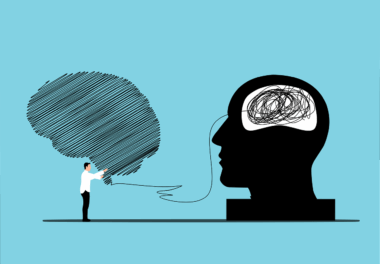
Understanding the science behind the effectiveness of exercise, specifically balance and coordination, is essential. Research shows that engaging in physical activity can lead to the release of endorphins, the feel-good hormones, which significantly counteract anxiety levels. Additionally, focusing on movements during balance exercises helps quiet the mind, reducing racing thoughts associated with anxiety. Studies suggest that even brief sessions of such exercises can yield notable benefits. They activate various brain regions responsible for motion and emotional regulation, enhancing mood and potentially alleviating anxiety symptoms. Another critical aspect is that regular engagement creates a routine, which fosters stability in life. Individuals suffering from anxiety disorders often struggle with uncertainty and unpredictability, leading to heightened anxiety. By establishing a regular exercise schedule, individuals can cultivate a sense of control. It’s also noteworthy that engaging in social physical activities like group yoga or tai chi can provide vital social support, enhancing the efficacy of exercise on mental health. Essentially, understanding the intersection of biomechanics, psychology, and social interactions can shape effective strategies for addressing anxiety through fitness.
Balance and coordination exercises are not only suitable for adults but also beneficial for children and adolescents. Many young people encounter anxiety, particularly due to academic pressure and social situations. Utilizing engaging activities that incorporate balance and coordination can build resilience in children. Activities like balance beams, playground equipment usage, or even dance can effectively manage anxiety levels while keeping the individual active and entertained. Such movements foster focus and mindfulness, providing psychological relief. Children become accustomed to feeling their body’s movements, subsequently enhancing body awareness and confidence. They develop coping mechanisms through physical engagement, enabling them to handle stressful situations better. Teaching these skills early can instill a lifelong appreciation for physical activity and mental health, providing them with tools to navigate life’s challenges. Furthermore, these exercises can suppress aggressive behaviors often seen in anxious children. Families can participate together, harnessing a supportive environment that nurtures both physical and emotional development. Ultimately, by introducing balanced and coordinated exercises, children can build a foundation of confidence and stability that lasts into adulthood, creating a healthier future generation.
Practical Examples of Balance and Coordination Exercises
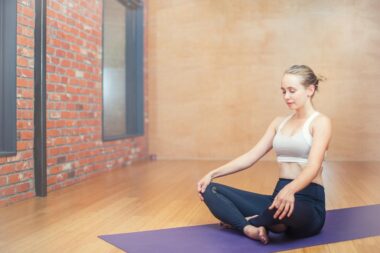
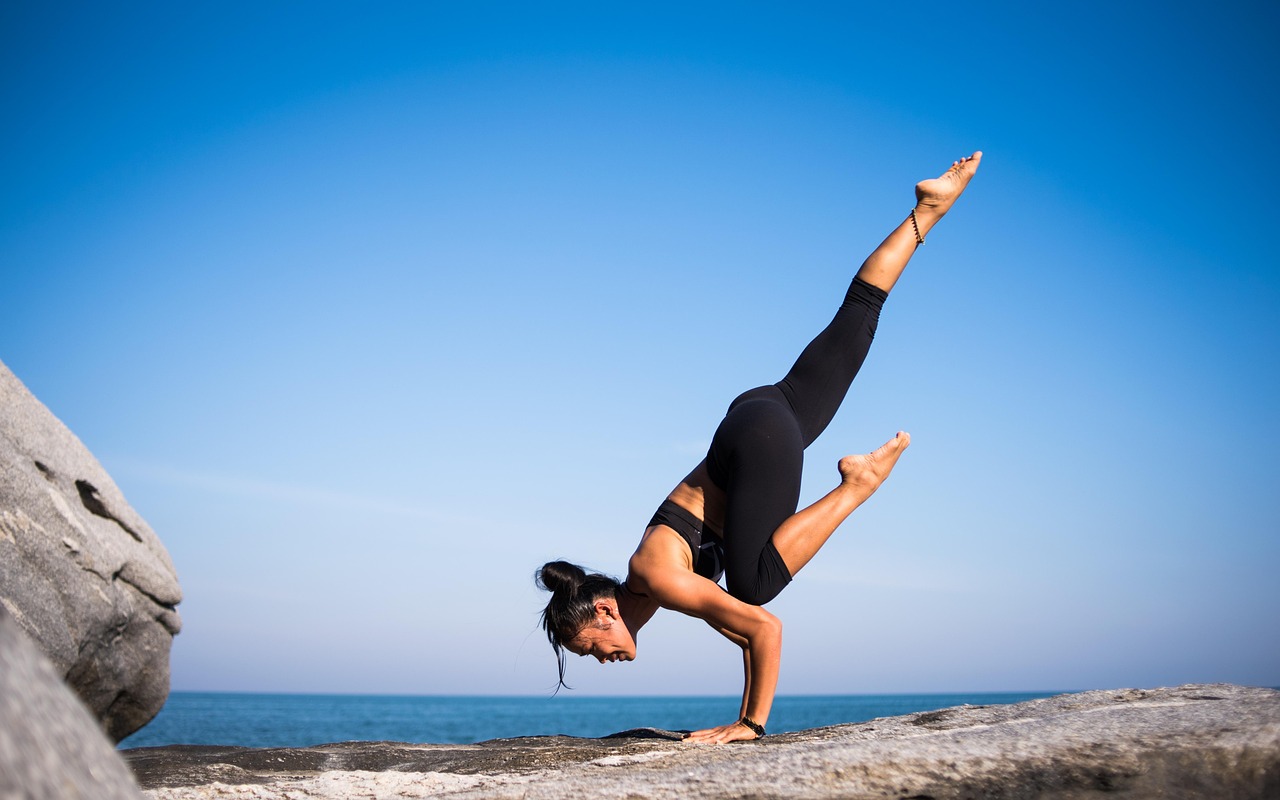
Several practical balance and coordination exercises can be seamlessly incorporated into daily routines. One excellent option is yoga, known for its emphasis on balance and breath control. Practicing yoga can decrease anxiety, helping individuals find peace through focused poses. Pilates is another activity that enhances core strength, promoting stability and reducing anxiety. For beginners, simple standing on one leg while concentrating can strengthen balance. Graduating to more complex maneuvers, like yoga poses or pilates routines, can increase the challenge and effectiveness. Another unique exercise involves balance boards, which enhances proprioception while forcing participants to engage their core. Group activities, such as tai chi, promote serenity and focus through mindful movements, making it an excellent choice for those seeking social engagement. Jumping rope or using a hula hoop can add fun to the routine while facilitating coordination. Overall, the variety in these exercises provides options that can suit different preferences and fitness levels, making them more accessible for individuals managing anxiety disorders. Encouraging variation and creativity in exercise regimes can maintain motivation and foster consistency in practice.
Incorporating these exercises into a daily routine not only helps manage anxiety but significantly boosts overall mental health. Regularly engaging in movement encourages the body’s hormonal balance, increasing serotonin levels — a vital aspect of mood regulation. Moreover, the physical benefit of these exercises, such as improved muscle tone and flexibility, translates into better body image and self-esteem. This is particularly significant for individuals with anxiety disorders, as low self-esteem can perpetuate feelings of anxiety and depression. By feeling better physically, individuals can also feel more empowered emotionally. Consistency in practice magnifies these benefits; therefore, establishing a regular schedule for balance and coordination exercises becomes critical. Additionally, tracking progress can illuminate improvements, both physically and mentally, which enhances motivation. In some cases, even small alterations in routine can yield substantial advances in well-being. Moreover, fitness apps and online platforms offer guided classes that can make exercise more accessible, regardless of location. Thus, leveraging technology along with traditional exercise can amplify results, ensuring that individuals effectively manage their anxiety through balanced and coordinated physical activity.
The Role of Professional Guidance
While engaging in balance and coordination exercises is beneficial, professional guidance can enhance their effectiveness, especially for individuals with significant anxiety disorders. Exercise professionals can tailor programs to meet individual needs while ensuring safety and proper form. Such personalized attention minimizes the risk of injury, which can deter regular exercise participation. Additionally, professionals can provide valuable insights into structuring routines to maximize mental health benefits. Understanding each individual’s unique anxiety triggers allows trainers to suggest empowering exercises without overwhelming the participant. Moreover, integrating breathing techniques into physical sessions can enhance calmness and focus, making exercises more effective. Personal trainers and therapists often collaborate to create holistic approaches that address both physical and mental health concerns. Group approaches led by trained instructors can also foster a sense of community, alleviating feelings of isolation often experienced by those with anxiety. Finally, monitoring progress under professional supervision keeps individuals accountable and motivated. This guidance provides individuals with confidence, enabling them to push through challenges while managing their anxiety through effective fitness practices.
As the understanding of mental health evolves, incorporating balance and coordination exercises into anxiety management regimens is increasingly recognized. These mind-body practices offer practical solutions for individuals seeking alternative methods for reducing anxiety. By adopting a holistic approach that integrates physical fitness into everyday life, individuals can create a balanced lifestyle that nurtures both mental and emotional well-being. This integration empowers individuals by providing them tools to manage anxiety effectively. Moreover, the adaptability of these exercises makes them appealing for diverse populations. Regardless of fitness level, age, or experience, anyone can benefit from balance and coordination activities. It encourages societal shifts in perspectives regarding mental health and fitness by strengthening the connection between the two. The road ahead is promising, as more people become aware of and engage in such practices. Collectively, a greater focus on fitness as a holistic strategy enhances the overall perception of mental health. In conclusion, embracing balance and coordination exercises represents a pivotal step toward comprehensive anxiety management and improving overall quality of life for those affected.