
Incorporating Sleep Tracking in Personalized Fitness Plans
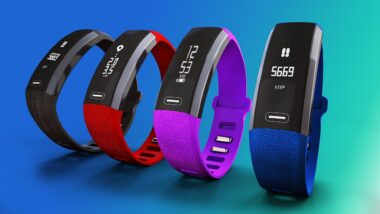
Sleep is a vital component of overall health and well-being. For individuals engaged in fitness programs, tracking sleep can greatly improve outcomes and performance. Incorporating sleep tracking into personalized fitness plans aids in optimizing recovery, enhancing energy levels, and ensuring mental clarity. Through detailed sleep monitoring, users can understand their sleep patterns, identify issues, and make informed decisions addressing these areas. The integration of sleep data with fitness analytics promotes a holistic view of health, making it essential for those serious about their fitness journey. Sleep tracking devices, including smartwatches and mobile applications, enable individuals to monitor their sleep cycles effectively. By recognizing the relationship between sleep quality and physical activity, users can adjust their exercise routines accordingly. Notably, getting adequate restorative sleep can lead to better workouts, decreased injury risk, and improved motivation levels. Sleep tracking empowers individuals to prioritize their rest periods, ensuring that they align with their fitness objectives. As a result, dedicated fitness enthusiasts can achieve their goals more efficiently when they prioritize and understand the importance of sleep. This comprehensive approach can significantly enhance the effectiveness of personalized fitness plans.
To effectively track sleep, users need to utilize available technologies designed to record essential sleep metrics. These metrics generally include total sleep time, sleep efficiency, and sleep stages, among others. By using tracking applications or devices that feature sleep analysis, individuals can gauge their quality of rest. Furthermore, the integration of sleep monitoring with fitness applications creates a seamless user experience, providing insightful comparisons between sleep and daily activity. Understanding this relationship is crucial for adjusting training intensity and recovery strategies. When users observe patterns in their sleep data, they can pinpoint when they perform best and adjust their workouts to suit these findings. For example, if a user notices poor performance correlating with inadequate sleep, adjustments can be made accordingly. This level of insight facilitates more educated decisions regarding both rest days and active training sessions. Incorporating such insights not only fosters a deeper understanding of personal health patterns but also supports sustained motivation over time. The marriage of fitness tracking and sleep data presents opportunities for comprehensive wellness improvements, validating the importance of both areas in achieving optimal results.
Benefits of Sleep Tracking in Fitness
Employing sleep tracking within personalized fitness plans delivers numerous benefits that extend beyond exercise effectiveness. Firstly, quality sleep significantly affects cognitive functionality and mood, which directly impacts workout motivation. A well-rested individual is likelier to approach their fitness activities enthusiastically and remain committed to their goals. Secondly, sleep plays a pivotal role in recovery, allowing muscles to repair after strenuous workouts. Understanding sleep patterns can help users establish optimal recovery periods, impacting their training schedules positively. The enhancement of muscle recovery can lead to improved strength and endurance when properly scheduled. Additionally, sleep deprivation is linked to increased cortisol levels, a stress hormone that can hinder progress. By tracking sleep and managing stress, users can mitigate this risk and maintain a healthy balance during their fitness journeys. Moreover, better sleep contributes to improved energy levels, allowing individuals to maximize their time spent in workouts. Increased stamina during exercise can lead to more productive sessions, ultimately yielding better results in terms of weight loss or muscle gain. Overall, integrating sleep tracking into personal fitness plans holistically benefits physical and mental health.
Implementing personalized sleep regimens requires an understanding of one’s unique sleep needs and lifestyle factors. Various sleep algorithms available through devices or applications help analyze and present combined metrics effectively. By utilizing these tools, individuals can accurately gauge their specific sleep needs based on their exercise intensity or training cycles. The data is then used to formulate actionable strategies for improving overall sleep quality. For example, someone preparing for an intense training week may find they require longer periods of restful sleep to recover adequately. Conversely, those focusing on moderate exercises may optimize their sleep for shorter durations. As a person’s training goals evolve, so should their sleep strategies, showcasing the necessity of dynamic tracking. Furthermore, integrating sleep patterns into food and hydration routines can streamline wellness efforts. Adjusting meal times and hydration before bedtime can positively influence sleep quality, enhancing rest and recovery. Similarly, factors such as stress management should synergize with physical activity, where daily practices supporting relaxation and mental well-being enhance sleep quality. Overall, customizing sleep regimens based on personal fitness routines elevates performance through scientifically informed practices.
Challenges of Sleep Tracking
While sleep tracking holds tremendous value, certain challenges must be addressed to maximize its benefits in fitness plans. For instance, varying accuracy across different devices can lead to misleading interpretations of sleep metrics. Different brands utilize various technologies, which can influence the reliability of recorded data. Users must remain vigilant in selecting tools that are known for their accuracy and specificity. Furthermore, individuals may struggle with adherence to using these devices consistently, potentially leading to incomplete data. Motivation to track sleep must correlate with a strong personal fitness commitment and tangible goals. Lack of consistency could skew results and, therefore, lessen the efficacy of integrating sleep tracking into fitness plans. Another challenge arises from the interpretation of data; users need to sufficiently understand the reported metrics to make informed decisions. Misinterpretations may result in inappropriate adjustments to training regimens or lifestyle changes, potentially hindering progress rather than helping. Overcoming these challenges requires vigilance and education around sleep tracking technologies. Continual advancements in sleep technology and user education will be pivotal in ensuring effective implementation and sustained benefits in fitness plans.
The integration of sleep tracking within fitness applications may also lead to information overload for users, particularly those less experienced with health technologies. An abundance of data can overwhelm users, making it challenging to distill essential insights amid the noise. Essentially, simplifying the information presented within tracking applications can enhance user experience, thus improving adherence to tracking routines. Providing actionable insights based on trends gleaned from sleep data will empower users to make informed choices about their training schedules. Additionally, creating a user-friendly interface that emphasizes key performance indicators could foster long-term adherence to sleep tracking. This approach bridges the gap between technology and user engagement, leading to better overall health outcomes. By aligning tracking features with user preferences, developers can facilitate a more accessible experience. Such improvements can lead to a greater understanding of the interrelations between sleep and fitness, empowering users to take ownership of their health. Graphical representations of sleep data trends, paired with visual aids highlighting workout intensity, might create stronger connections between daily activities and sleep quality, thus supporting continuous self-improvement in fitness journeys.
Conclusion
The integration of sleep tracking into personalized fitness plans emerges as a critical aspect of achieving holistic health goals. The benefits encompass improved performance, enhanced recovery, and cognitive functionality, ultimately driving users to stay engaged in their fitness endeavors. By understanding individual sleep patterns and their impact on growth, adjustability of fitness plans can occur effectively. Overcoming challenges posed by sleep tracking technology is essential, requiring education, consistency, and awareness of data interpretation. Individuals must commit to schedules that accurately reflect their health needs and preferences, driving successful implementation. As technology evolves, so do the tools available to facilitate better tracking and understanding of sleep effects on fitness. This growing field will offer innovative solutions, enabling users to thrive on their fitness journeys. Ultimately, the objective remains unchanged: to promote comprehensive health and well-being through informed, responsible choices. Personalization and tracking must occur hand in hand to maximize effectiveness and sustainability. With increasing popularity, tracking sleep in tandem with fitness regimens presents meaningful opportunities for all individuals seeking to improve their lifestyle. Embracing a holistic approach paves the way for enhanced vitality and overall wellness.
Sleep tracking is crucial for understanding habits. By assessing sleep quality, individuals can correlate fitness progress and recovery. Regular monitoring enhances workout effectiveness, ultimately leading to sustained motivation. An effective tracking approach requires setting achievable goals. This means users should evaluate sleep metrics regularly and adjust fitness regimens accordingly. An awareness of the necessity for sleep can prompt timely adaptations. Establishing a harmonious balance between sleep and exercise leads to amplified improvements in overall well-being. Thus, sleep tracking provides individuals actionable insights to maximize their fitness potential. In today’s tech-savvy age, utilizing tools for sleep analysis can unveil crucial health data. Understanding patterns enables users to make informed decisions, empowering them to motivate adjustments to their training schedules. Consequently, integrating sleep improvements directly influences workout efficiency and recovery processes. By embracing sleep tracking, individuals commit to holistic wellness, underscoring its significance. Successful customization of fitness plans hinges upon informed choices, driven by knowledge derived from sleep metrics. As a result, health-conscious individuals can enhance their lifestyle through targeted strategies. Making sleep tracking a priority significantly influences exercise routines, ensuring a more profound understanding of health relationships.