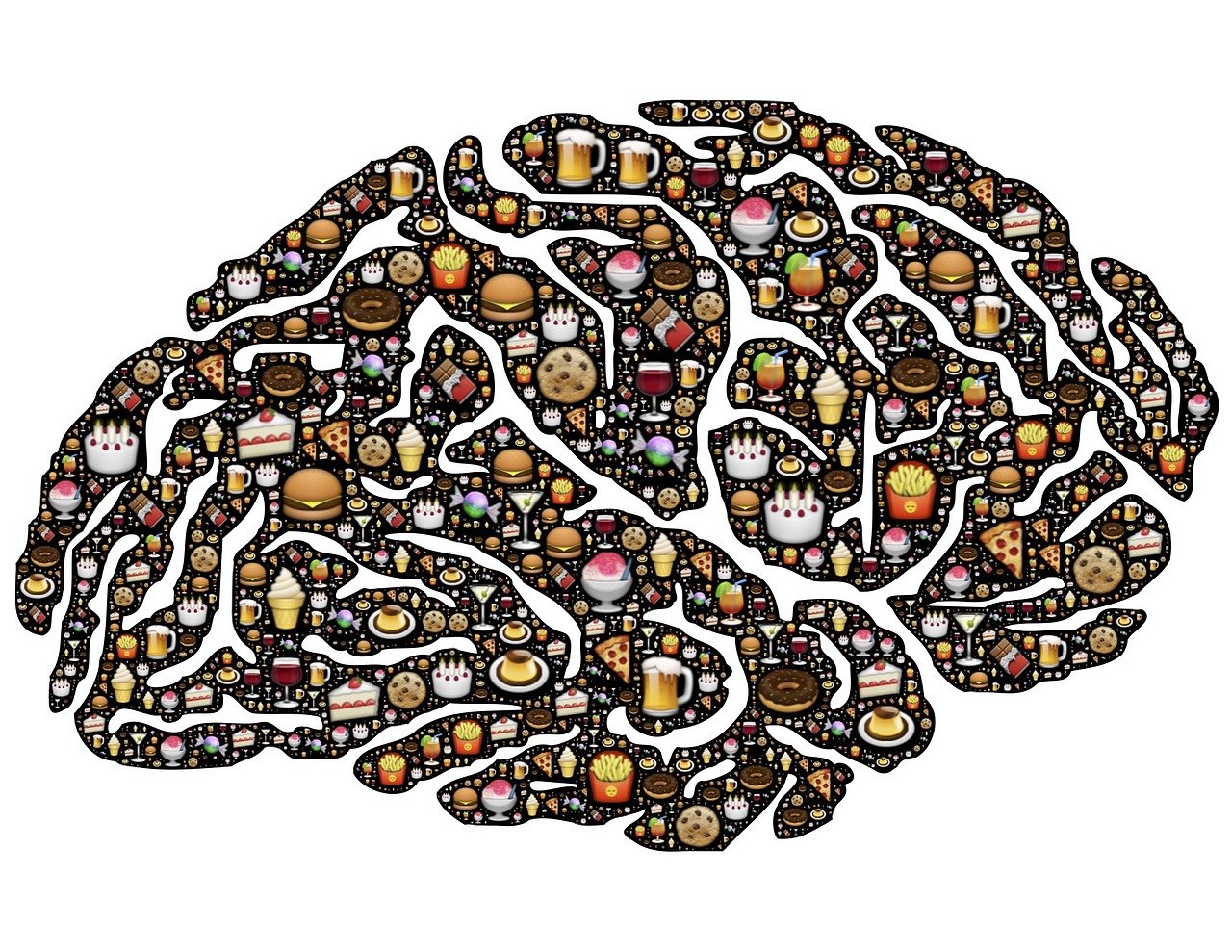

The Myth of ‘You Are What You Crave’: Psychological Perspectives
Food cravings can often feel overwhelming, leading people to believe that their cravings dictate their food choices. This creates a perception that cravings might be indicators of nutritional deficiencies or emotional needs. For example, many individuals may crave sweets and assume this means their bodies lack sugar. However, cravings are complex psychological phenomena influenced by various factors, including stress, environmental cues, or even memories associated with certain foods. The belief that you are what you crave can lead to unhealthy relationships with food. It’s essential to recognize cravings for what they are: mental responses to stimuli. Psychologically, cravings can be tied to emotional states. It is crucial to understand that fulfilling a craving doesn’t always translate to healthful eating. By addressing underlying emotional triggers and behavioral patterns, individuals may find healthier alternatives to address their needs. Instead of adhering strictly to cravings, we should develop a nuanced understanding of our eating habits, which can facilitate a healthier mindset towards food. Education about nutrition and emotional awareness can empower individuals to make choices that align with both their well-being and their personal health goals.
In exploring the myth of cravings, it’s important to realize that cravings can also represent habitual eating patterns rather than actual nutritional needs. Many people experience cravings for particular foods at the same times each day, which can reinforce damaging eating cycles. Instead of relying solely on the belief that cravings indicate a lack of something, it’s worthwhile to analyze lifestyle habits, routines, and emotional contexts that create these cravings. Mindfulness plays a crucial role in moderating how we respond to cravings. By practicing mindfulness, one can learn to observe cravings without giving in to them impulsively. This approach allows individuals to acknowledge cravings without automatically feeling compelled to act on them. Additionally, recognizing triggers and detaching emotional stressors from eating behaviors can offer insight into managing these cravings better. Addressing emotional connections to food is essential for developing a healthier relationship with what we eat. Understanding that cravings can be amplified by external stimuli, such as advertisements and social situations, is foundational for making informed dietary choices. Ultimately, healthier eating involves understanding one’s cravings within the broader context of lifestyle rather than viewing them as immutable constraints.
Cravings and Nutritional Knowledge
The relationship between cravings and nutritional knowledge is complex. Many people have misconceptions about what their cravings mean, often leading to unwanted guilt or shame when seeking pleasure from food. For instance, many believe that craving carbohydrates implies that they need more energy. In reality, it can be due to psychological conditioning linked to comfort foods consumed in childhood or stress. Shifting the narrative allows individuals to cultivate a positive relationship with all types of food, recognizing that every food has a distinct place within a balanced diet. Nutrition education serves as a valuable tool to demystify cravings, helping individuals understand their bodies’ real needs. By learning about nutrients and how they affect energy levels, moods, and overall health, people can make informed choices instead of reacting solely to cravings. This knowledge can empower individuals to change their food landscapes positively. Rather than misinterpreting cravings, understanding the body’s signals can guide people toward healthier food options. Being aware of the difference between emotional cravings and true hunger can also mitigate the compulsive nature of cravings, paving the way for healthier eating habits over time.
Moreover, the role of culture and social dynamics in shaping food cravings cannot be ignored. Social occasions often involve specific foods that elicit nostalgic feelings or communal experiences. For many, these cravings stem from a desire for connection or a need to belong rather than a physical need for the food itself. Food serves as an instrument of relationship-building, which complicates our understanding of cravings. In various cultures, certain comfort foods are deeply ingrained, and craving those foods can be a reflection of societal norms rather than actual nutritional deficiency. To cultivate a healthier perspective toward food, it is essential to examine both personal and societal influences on cravings. Recognizing that many cravings are linked to emotional and cultural factors can empower individuals to choose how they satisfy cravings without guilt. Exploring alternative ways to fulfill emotional or social needs can often mitigate the compulsive nature of food cravings. Thus, potential solutions go beyond addressing cravings through food and intersect with our interpersonal relationships and emotional growth engagements.
The Importance of Emotional Intelligence in Managing Cravings
Emotional intelligence is essential in managing cravings effectively. By developing a strong sense of self-awareness, individuals can pinpoint the emotional triggers that lead to specific cravings. This knowledge enables them to make more conscious choices when faced with temptations, fostering healthier eating patterns. Self-awareness and emotional regulation can help differentiate between cravings driven by true hunger and those stemming from other emotional states. Recognizing feelings of boredom, stress, or sadness as motivators for food consumption can lead to healthier coping strategies. Engaging in activities that promote emotional well-being such as exercise, journaling, or meditation can provide alternative outlets for those specific feelings. Building a toolkit of coping techniques can help navigate cravings without compromising personal health goals. Furthermore, seeking support from friends or professionals can foster accountability in managing cravings. Investing in emotional intelligence nurtures a proactive mindset towards food and cravings, transitioning from reactive eating to a more methodical approach. Consequently, promoting emotional growth and fostering a deeper understanding of cravings can lead to not only better food choices but a more fulfilling life overall.
Ultimately, understanding the reasons behind food cravings will enhance overall health. People can overcome feelings of guilt or shame by approaching their cravings with curiosity rather than judgment. This shift in mindset fosters more adventurous eating habits, including diverse foods and flavors. It also encourages individuals to explore food in connection with their emotions, culture, and personal history. By challenging stereotypes around food cravings, we can create a healthier dialogue about our impulses. This process demonstrates that there is no single narrative around why we crave certain foods. Instead, cravings are multi-faceted elements of our psychology. A more profound understanding of cravings leads to informed decisions that align with personal health goals without sacrificing pleasure. Through this lens, talking about food becomes less about deprivation and more about enjoyment and awareness. Ultimately, the myth that “you are what you crave” is dismantled when we appreciate the psychological influences at play. Working towards a balanced perspective on cravings can elevate one’s relationship with food, paving the way for healthier choices in a supportive environment.
Conclusion: Redefining Our Relationship with Cravings
In conclusion, the myth that you are defined by your cravings can undermine a healthy relationship with food. By adopting a psychological perspective on cravings, individuals can develop a more nuanced understanding of their eating behaviors. Acknowledging the emotional, cultural, and psychological aspects of cravings allows for a comprehensive approach to managing them. Food cravings should not be directly linked to nutritional needs. Instead, they are often reflections of emotional states or habitual patterns that require deeper analysis. Building greater emotional awareness and nutritional knowledge is essential for making informed decisions about food. By viewing cravings as opportunities to explore our emotional landscape rather than mere impulses, we can navigate our dietary habits more intentionally. This paradigm shift helps create a culture around food that emphasizes enjoyment, quality of life, and overall well-being. Ultimately, redefining how we perceive cravings enables us to embrace all aspects of our food experiences fully. By separating the myth from the truth about cravings, individuals can forge healthier, more satisfying relationships with food. Through this journey, one can find balance while integrating enjoyment into the eating experience.