
Core Strengthening Strategies for Seniors Using Bodyweight Workouts
Core strength is essential for seniors, as it enhances stability, balance, and overall functional movements. Bodyweight workouts are particularly effective because they allow individuals to engage their muscles without the need for extra equipment. Moreover, these workouts can be adjusted based on individual ability and comfort levels. One of the great advantages of bodyweight exercises is their adaptability; they can be performed anywhere, whether at home or outdoors in a park. Regular engagement in core strengthening exercises helps seniors perform daily activities more efficiently, such as rising from a chair, climbing stairs, or even maintaining proper posture while sitting. Given the concern of falls among older adults, strengthening the core becomes not only a matter of fitness but also of safety. Seniors can incorporate simple exercises like planks, bridges, and seated leg lifts into daily routines, gradually increasing the intensity as strength improves. It is also beneficial for seniors to consult with a healthcare professional before beginning any new exercise regimen and ensure the exercises chosen are suitable for their individual health conditions and capabilities.
As seniors start their bodyweight core workouts, proper form and technique must be emphasized to prevent injury. One excellent way to begin is with seated exercises, which provide support while targeting core muscles effectively. Basic seated exercises include seated knee raises, where the individual sits upright and alternates raising their knees, engaging their core muscles. Another beneficial movement is the seated torso twist, where the senior gently rotates their torso side to side, which helps maintain flexibility and strengthen oblique muscles. Visual guidance can aid in mastering these forms, which can be achieved through instructional videos available online or classes at local fitness centers that cater to the elderly. Building core strength aids in enhancing posture, reducing discomfort in the lower back, and improving overall mobility. Adaptations of exercises ensure that they are low-impact while still offering significant benefits. Seniors should start with low repetitions, focusing on controlled movements, and recollect to listen to their bodies. If fatigue or discomfort occurs, it is crucial to rest and allow time for recovery. Incorporating music or social elements into workouts can also enhance motivation and enjoyment during these exercises.
Many seniors benefit from creating a structured workout routine that integrates core strengthening exercises into their daily schedules. A simple plan could involve setting aside time three to four times per week to focus on these workouts. It’s helpful to pair core exercises with flexibility training, which further supports balance and mobility; yoga or simple stretching routines can complement these activities well. Keeping the workout session short, about 20 to 30 minutes, will make it more manageable and reduce the likelihood of burnout. Being consistent with this regimen is key; results will manifest over time, and progress can be maintained. Seniors might find joy in tracking their improvements, providing additional motivation to continue. Joining group sessions can also foster camaraderie, ensuring that individuals feel encouraged and supported by peers. A positive atmosphere can have ethereal benefits on a senior’s mental health, creating an enjoyable environment. Many seniors desire to feel independent, and building core strength goes a long way toward achieving that goal. Staying physically active through core workouts helps in reclaiming one’s autonomy in everyday activities while simultaneously encouraging a healthier lifestyle overall.
Popular Bodyweight Core Exercises for Seniors
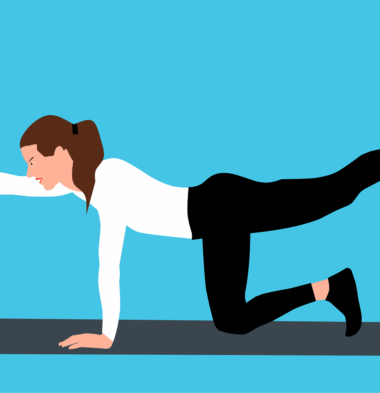
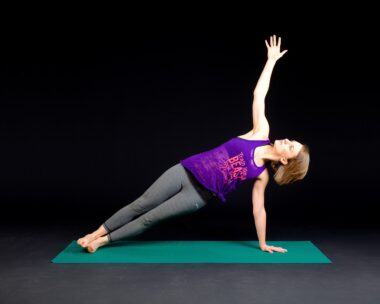
There are several bodyweight exercises that cater specifically to seniors focusing on core strength. One essential exercise is the bridge, which can be performed lying on the back with knees bent and feet flat on the ground. Lifting the hips forms a straight line from knees to shoulders, creating tension in the core. A modified plank can be practiced by placing the forearms on the ground while the knees rest on the floor instead of the toes, ensuring safety. This exercise works the abdomen while also engaging the shoulders. The bird-dog is another popular move where seniors begin on all fours, extending one arm and the opposite leg, promoting stability and coordination. Additionally, a seated leg lift helps strengthen the lower core; while sitting, individuals can lift their legs one at a time while maintaining a straight posture. These exercises can be performed for about 10 to 15 repetitions or within a set time frame. Maintaining proper breathing techniques is essential throughout these workouts; seniors should exhale while exerting force to ensure they are engaging their core as effectively as possible.
Beyond the physical benefits, engaging in core exercises promotes positive mental health outcomes for seniors. Exercise can trigger the release of endorphins, hormones that can elevate mood and decrease feelings of anxiety and depression. Regular exercise can also result in improved sleep quality, reducing insomnia prevalence among older adults. These factors contribute critically to enhancing emotional well-being, an essential element of overall health for seniors. Joining classes or workout groups can enhance social interactions, fostering friendships and reducing feelings of loneliness, which can be common in this demographic. Furthermore, mastering new skills and achieving fitness goals will bolster self-esteem and confidence levels. Fitness should be a holistic journey that encompasses physical, emotional, and social aspects for a balanced quality of life. Thus, incorporating bodyweight core workouts into their routines can have far-reaching impacts on the lives of seniors. Investing time in one’s health leads to vibrant, active, and fulfilling lives, emphasizing the importance of a strong core beyond mere physical appearance or prowess. It is never too late to start exercising, as every small effort contributes to greater health benefits.
Safety Tips for Seniors During Core Workouts
Safety must always be the top priority when seniors perform bodyweight exercises. To start, seniors should ensure that they are wearing comfortable clothing and footwear, which allows for maximum movement and prevents slipping. It’s crucial to establish an appropriate workout environment, with safe flooring to eliminate tripping hazards. Before beginning exercises, a proper warm-up that includes dynamic stretching can prepare the body for action and reduce the risk of injuries. Pay attention to personal limits; if a movement feels painful or uncomfortable, adjustments should be made, or that exercise should be avoided entirely. Staying hydrated before, during, and after workouts is essential, as dehydration can hinder performance and recovery. Another important safety tip is to work on core workouts alongside a partner or a professional trainer knowledgeable about senior fitness. Accountability helps motivate consistent practice and aids in ensuring correct postures and techniques are being maintained. Rest should not be underestimated; allowing adequate recovery time between workouts supports muscle growth while preventing strains or overuse injuries. Monitoring physical responses during workouts will guide seniors in knowing when to push harder or take it easy on their bodies.
In conclusion, bodyweight core workouts serve as a fantastic way for seniors to enhance strength, mobility, and overall well-being. The flexibility of these routines allows them to be tailored to any fitness level and performed in various environments, promoting greater accessibility. Encouraging a routine focused on core strengthening leads to improved stability, easing everyday tasks, and reducing the risk of falls. Participation in exercise can largely impact both physical and mental health, offering multiple layers of benefits for seniors. They help in boosting self-esteem, enhancing mood, and combating feelings of loneliness through social engagement. Moreover, incorporating safety measures and understanding the necessity of proper form will maximize effectiveness while minimizing injury risks. Together, these strategies create a holistic approach to fitness that can significantly improve the quality of life for older adults. Seniors should remember that movement is vital, so consult with professionals or trusted sources to craft a suitable fitness plan. Regardless of age or experience, everyone can find joy in moving, and it’s never too late to begin a journey toward better health and strength through core workouts.
To support this journey, seniors might also consider monitoring their progress. Keeping a journal to record workouts, how they feel before and after exercises can illuminate patterns. Tracking improvements can provide motivation, especially for those who struggle to see immediate results. Furthermore, exploring alternative activities such as tai chi, swim classes, or dance can enrich fitness routines. Such activities may also improve balance and coordination while keeping the workout dynamic. In terms of nutrition, consuming a balanced diet rich in calcium and vitamin D supports bone health, which is critical for seniors involved in any form of exercise. Engaging with healthcare providers to discuss proper nutritional habits can also serve as a valuable guideline for overall wellness. Building a supportive community with friends and family can elevate the experience even further, where participants can share tips and encourage each other. Ultimately, engaging in core strengthening through bodyweight workouts fosters a sense of accomplishment and independence among seniors. It offers the chance to actively participate in life and maintains a strong connection to community. Continuous encouragement, both from within and from circles, plays a vital role in sustaining the journey toward greater health.