
Enhancing Yoga Meditation with Breath Control Techniques
In the practice of yoga, breath control, also known as Pranayama, plays a crucial role. It enhances meditation by allowing practitioners to stabilize their minds and deepen their relaxation. Breath control techniques primarily focus on regulating the inhalation and exhalation, significantly impacting the body’s energy levels. Incorporating breath control into your routine helps reduce anxiety and stress, promoting a heightened sense of calm during meditation sessions. Utilizing these techniques enhances focus, enabling practitioners to achieve a deeper meditative state. Different breath control methods can be experimented with, allowing greater exploration within personal yoga practice. As you become more attuned to your breathing patterns, you may notice improved emotional balance and enhanced clarity of thought. This empowerment through breath allows for a transformative experience in meditation. Each breath becomes a tool for mindfulness, connecting the body and mind more profoundly. Practitioners can explore various styles of pranayama, such as Nadi Shodhana or Kapalabhati, each offering unique benefits for enhancing meditation. Embracing breath control techniques enables a holistic approach to yoga that nurtures both physical and mental well-being.
Understanding Breath Control
Breath control, or Pranayama, translates to “life force extension,” reflecting its essence in yoga practice. To begin understanding breath control, it’s important to recognize its various forms, each serving different purposes. Pranayama can help in calming the mind, energizing the body, or finding balance. Begin with foundational techniques to master the breath, allowing it to guide your yoga practice towards deeper openings and inner peace. First, focus on diaphragmatic breathing; allow your abdomen to expand and contract along with your breath. This method stabilizes the nervous system, creating a base for further exploration. Next, try alternate nostril breathing (Nadi Shodhana), which balances both left and right brain functions, promoting both relaxation and clarity. These foundational techniques are essential for integrating breath control into meditation. With consistent practice, you’ll find that mastering these techniques enables a smoother transition into deeper meditation. Additionally, be patient with yourself; adjusting to breath control can take time as you develop your practice. By investing time into understanding breath control, you enhance not only your yoga practice but your overall mindfulness journey.
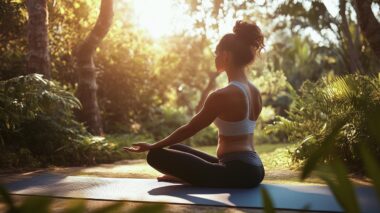
Practicing pranayama regularly fosters a deeper connection to your breath. As you cultivate this relationship, your meditation sessions become richer and more effective. Incorporating these exercises within your routine can vastly improve your mental and emotional resilience, leading to consistent growth over time. Try setting aside specific times during your yoga practice to focus solely on your breath control techniques. Establish a ritual around breath work, dedicating a few moments of silence before or after your poses to breathe intentionally. This time creates a sacred space for reflection, allowing space for emotions to surface without judgment. Furthermore, ensure a comfortable environment conducive to meditation. Eliminate distractions by choosing a quiet and peaceful location. Use props such as blankets or bolsters to support your posture while meditating. The act of supporting the body enables a more profound focus on breath and less strain on muscles or joints. As you grow accustomed to these techniques, remember to embrace both the process and the outcomes. Feelings of frustration can arise, but knowledge of this allows for better navigation through emotional landscapes. Breathe, observe, and be present as you explore your breath further.
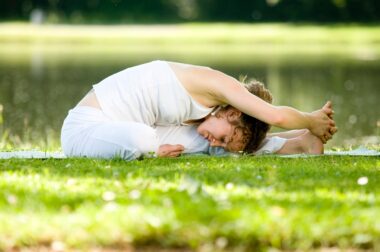
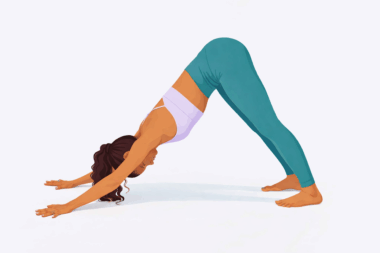
Integrating breath control into your yoga practice can also enhance physical postures. When combined with poses, it enables practitioners to achieve optimal alignment and strength. For instance, inhaling during upward movements provides energy, while exhaling during downward motions creates grounding, which can refine the flow of your practice. This connection between breath and movement helps establish a deeper rhythm that facilitates a seamless experience throughout each class. Emphasizing proper timing and synchronization allows practitioners to attain greater awareness within their bodies. The result is an overall more cohesive, mindful practice that facilitates improved flexibility and strength. As you continue to blend breath control with yoga, pay attention to how your body responds. Over time, you will begin to notice subtle changes in your physical capabilities and mental clarity. Regularly practicing breath work alongside postures strengthens your core muscles, improving overall stability and endurance. This cumulative effect leads to heightened efficiency in achieving yoga goals. The benefits extend beyond just physical improvements, creating emotional and mental resilience. Exploring breath control in conjunction with asanas becomes a transformative aspect of your yoga journey, deepening your sense of self.
Mindfulness through Breath Techniques
Breath control not only enhances physical practice but also cultivates mindfulness. As you incorporate breath techniques, you learn to focus on the present moment, anchoring your awareness effectively. Mindfulness involves directing attention away from distractions towards inward feelings and sensations. Utilizing breath control fosters this awareness, allowing practitioners to develop a deeper presence. Start by observing your breath naturally, noting its patterns and rhythms. Progress smoothly into conscious breathing, acknowledging each inhalation and exhalation. This attentive practice creates the groundwork for deeper meditation experiences. Over time, cultivating this mindfulness will carry over into daily activities, improving focus and appreciation in other life aspects. In moments of stress or distraction, simply pausing to return to your breath creates grounding. It serves as a powerful tool in seeking clarity during uncertainties. As your practice deepens, you may find increased emotional stability emerging from this routine. Breath control becomes a bridge, connecting meditation with the ongoing flow of life. By embracing these techniques, you nurture not only your yoga journey but the essence of living mindfully each day.
The integration of technology into yoga practice has introduced many effective tools for breath control. Several apps and online resources offer guided sessions focusing on these techniques, making them accessible to everyone. Some platforms provide structured programs teaching various pranayama methods, allowing practitioners to develop their skills gradually. Utilize these resources to enhance your learning experience as you explore breath control techniques further. Additionally, consider joining online classes or local workshops to meet others interested in diving deeper into pranayama practices. Engaging with a community fosters connections and inspiration, affirming that you are not alone on this path. With the advent of technology, video demonstrations can be valuable in understanding posture alignment and breath techniques synergistically. Regularly practicing breath-focused yoga sessions digitally can build a consistent routine, ensuring ongoing personal improvement. Remember to personalize your experience by setting intentions for your practice. Identifying your goals takes the practice one step further, enabling clearer focus as you enhance your meditation skills. By experimenting with techniques and engaging in various resources, you’ll find a wealth of support toward enhancing your overall yoga journey.
Conclusion and Continued Practice
As we conclude this exploration of breath control in yoga, embracing these techniques ensures a transformative journey ahead. Consistently practicing and integrating breath control helps create a profound foundation for your meditation. Transitioning to a deeper level of awareness becomes easier as you continue developing these skills. Regularly incorporating breath techniques within your practice grants substantial benefits, enhancing connection and mindfulness daily. Moreover, as you share this practice with others, you contribute to a greater awareness within the yoga community. Remember that evolution occurs at unique paces, and your journey is personal. Embrace moments of both challenge and ease; they provide valuable opportunities for growth and insight. The vital aspect of yoga lies not solely in perfection but in unwavering commitment and practice. Remaining open to learning new techniques allows you to remain flexible in your approach. Eventually, the practice transcends into everyday life, enhancing overall well-being. Therefore, allow breath control to be a lasting source of empowerment within meditation. Continue to refine your understanding of breath techniques and remain curious on your journey toward mindfulness.
As you progress in your yoga journey, remember that breath control is a lifelong commitment and exploration. Set the intention to remain curious about different techniques, continually seeking ways to deepen your understanding and practice. Engage with other practitioners, share experiences, and seek support as you navigate this ever-evolving discipline. The community aspect enriches your journey, encouraging growth and development as you learn from one another. Each practitioner’s experience is unique, and embodying this diversity enhances personal growth. Your breath is your guide throughout the process; embrace its wisdom as it unfolds. Allow the practice of breath control to illuminate your path, nurturing both your yoga and meditation journeys. Stay committed to finding joy within each breath. Truly, the journey is ongoing, and each session presents new opportunities for self-discovery and enlightenment. Celebrate every small victory along the way, as they are stepping stones towards greater mastery in your craft. As you aspire to maintain a dedicated practice, reaffirm your commitment to your breath, and let it propel you forward in your journey of self-exploration and growth.