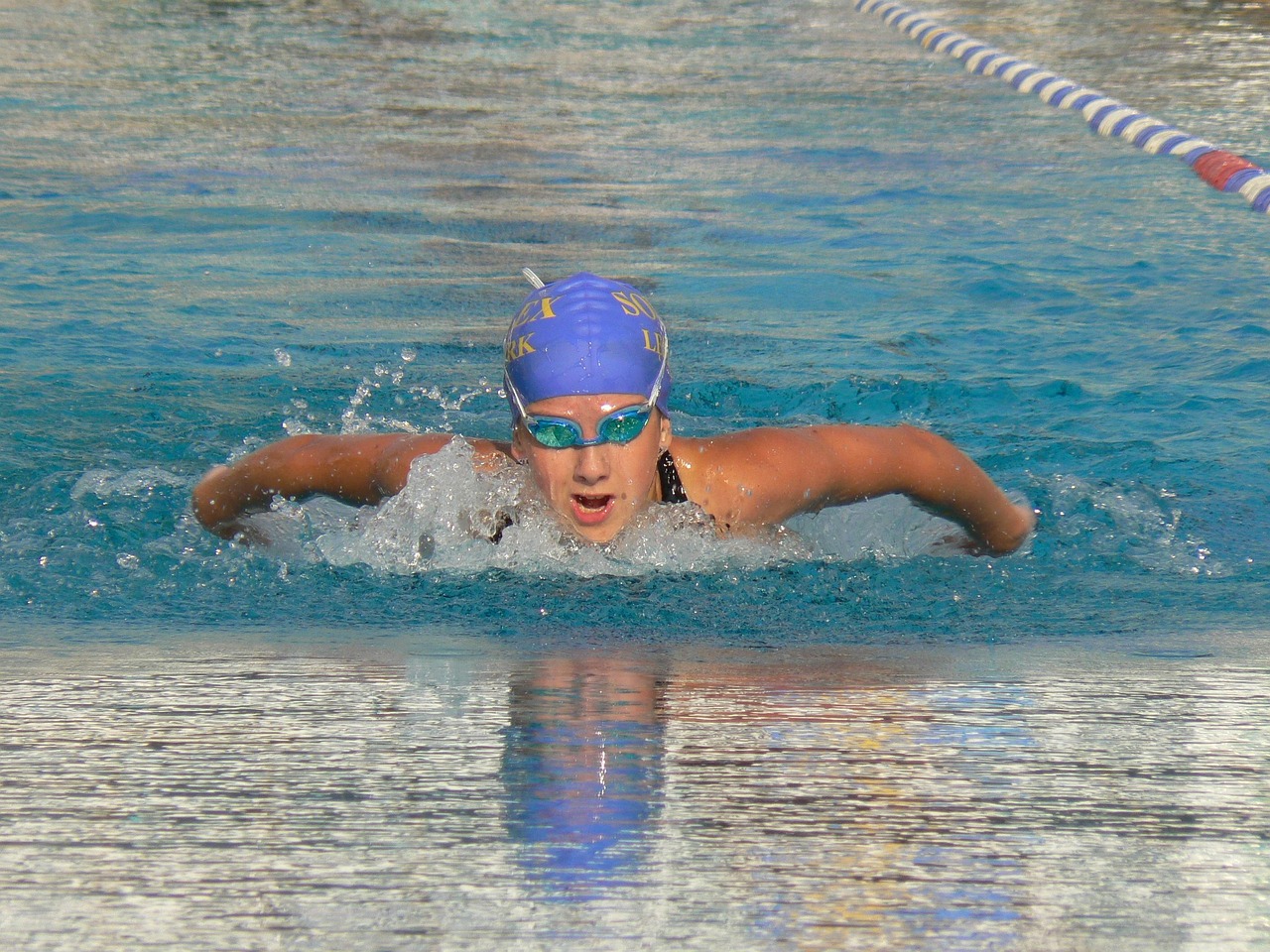

Butterfly Stroke: A Comprehensive Guide to Technique and Breathing
The butterfly stroke is one of the most challenging swimming techniques to master, often characterized by its unique rhythm and timing. Unlike other strokes, the butterfly demands a high degree of strength, flexibility, and coordination. Swimmers must utilize their core muscles effectively to maintain proper body position and momentum. Learning this stroke begins with understanding the mechanics of the arms, legs, and breathing techniques. To execute the butterfly stroke effectively, here’s a breakdown of the key components to focus on. First, ensure your arms move simultaneously and symmetrically through the water. The catch phase requires your hands to enter just outside your shoulders. Second, during the pull phase, your elbows should stay higher than your hands when pulling water behind you. Thirdly, the kick is crucial; the dolphin kick drives propulsion and must be synchronized with your arm movements. Finally, mastering your breathing technique during the stroke will significantly enhance your performance. Proper timing to lift your head just above the water while maintaining speed is essential for success.
Understanding Body Positioning in Butterfly Stroke
Body positioning is critical in the butterfly stroke. The ideal posture keeps your body horizontal to the water’s surface. A streamlined alignment reduces drag, allowing for more efficient movement. Beginners often make the mistake of lifting their heads too high, which causes the hips to sink, increasing resistance. To maintain a correct position, focus on tightening your core and engaging your glutes throughout the stroke. Keeping your ribs down and your hips high will help keep the body in a flat, streamlined position. Also, your head should remain neutral while breathing, maintaining the natural alignment of the spine. Proper rotation, though subtle in butterfly, is beneficial; your hips should undulate in sync with your arm strokes to maximize power and efficiency. As you practice, aim for an undulation pattern that produces a wave-like motion in your body to enhance your propulsion. Lastly, continue to refine your body position through drills and visualizations, as the right posture becomes second nature over time. Focused practice on these fundamentals is essential for consistently executing the butterfly stroke well.
The arm stroke in the butterfly involves a unique technique that is distinct from other swimming strokes. The stroke consists of three primary phases: the entry, the pull, and the recovery. During the entry phase, both hands should enter the water simultaneously around your shoulder width. As the arms push downwards, rotate your palms to ensure a stronger catch of the water, maximizing your pull. During the pull phase, maintain an S-shaped motion, where hands glide back and down before meeting at the thighs. This maximizes propulsion, creating forward momentum as your hands exit water. The recovery phase should be smooth: arms should leave the water alongside your body, bringing them back to the front while keeping a relaxed elbow. Strive for minimal splashing while bringing your arms forward, increasing efficiency. Furthermore, focus on maintaining a loose grip; tension can lead to fatigue unnecessarily. Practicing underwater drills can help reinforce these components. Consider including drills that isolate arm movements to solidify technique. Mastering this arm action will significantly improve your butterfly stroke effectiveness over time.
The Importance of Dolphin Kicks
Dolphin kicks are paramount within the butterfly stroke, as they provide propulsion and rhythm. The kick is initiated from the hips rather than the knees, creating a powerful motion that drives the body forward. As you practice this kicking motion, embody the essence of a dolphin; fluidity and grace are key elements. Maintain a tight core while performing the dolphin kick: engage your abdominal muscles as they stabilize your body throughout the stroke. A common mistake is using excessive knee movement; your legs should remain close together to maximize the kick’s strength and efficiency. Aim for two kicks synchronized with each arm stroke—one during the entry and one during the pull phase. This rhythmic coordination is essential for achieving maximum propulsion. Furthermore, maximizing the downward kick while minimizing resistance on the upward motion will help improve glide. Incorporate kickboard drills into your practice to strengthen your kicks and enhance overall power. Consistent practice will ensure that dolphin kicks become second nature, ultimately impacting the quality of your butterfly stroke during races.
Breathing properly while executing the butterfly stroke can significantly impact your performance. Unlike freestyle, where you can breathe at any moment, timing your breaths in the butterfly is crucial to maintaining momentum. Swimmers often lift their heads during the arm recovery phase; however, this can disrupt the flow of the stroke. Instead, time your breaths to coincide with the arm’s entry, allowing your head to remain low. This approach ensures your hips stay high, minimizing drag. Focus on inhaling quickly through your mouth, ensuring deep breaths to fortify your endurance throughout the practice. When you exhale, do so while your arms are in the pull phase, allowing smoother transitions above and beneath the water’s surface. To improve breathing technique during the stroke, consider drills focusing solely on breath control without disrupting the stroke’s rhythm. Additionally, practice building your lung capacity and familiarize yourself with consistent breathing patterns. With focused attention on this aspect of the stroke, you will likely find an increase in comfort and better performance overall in competitive settings.
Drills to Enhance Butterfly Stroke Technique
Incorporating various drills can significantly enhance your butterfly stroke technique. One foundational drill is the “body dolphin” drill, which focuses on undulating the body without using arms. This helps strengthen the core and improve timing. Another effective drill is the “one-arm butterfly” drill, allowing you to isolate and perfect the arm stroke. By swimming with one arm while the other is kept at your side will help develop muscle memory for the correct movements without overwhelming yourself. Consider adding “three kicks, one pull” drills where, after every three dolphin kicks, you take a breath and perform an arm stroke. This builds your rhythm and enhances coordination between kicks and arm action. You may also include “vertical dolphin kicks”: performing dolphin kicks while treading water, promoting core engagement and ensuring proper kick technique. To achieve versatile training, vary your drills each week and monitor improvements. Consistently practicing these exercises will ultimately make a remarkable difference in your stroke technique, performance, and endurance when competing. diligence in these drills translates into an effective butterfly stroke.
To summarize, mastering the butterfly stroke involves a deep understanding and integration of various techniques and components. Focus on refining all elements—from body positioning and arm movement to kicks and breathing. This unique stroke showcases both strength and rhythm, requiring diligent practice to enhance performance. Establish regular training schedules focusing on these fundamental concepts and incorporate tailored drills for skill development. Keep in mind that progress takes time; engage with coaches or experienced swimmers if unsure, as gaining insight from others can propel your skill to new heights. Additionally, utilize feedback from video analysis or swimming apps for real-time information about your technique. Maintaining enthusiasm for your progress while being patient with the learning curve can foster a more successful and enjoyable swimming journey. Remember, the butterfly may be challenging, but it can also be incredibly rewarding, showcasing the beauty and elegance of swimming. So harness your dedication and passion to improve your overall technique. With consistent effort, you will undoubtedly see advancements in this demanding stroke. Happy swimming, and enjoy your path to mastering the butterfly stroke!