
How Pre-Workout Nutrition Supports Muscle Protein Synthesis
Pre-workout nutrition plays a crucial role in enhancing muscle protein synthesis. By carefully selecting the right macronutrients before your workouts, you can maximize your muscle-building potential. A well-balanced meal containing carbohydrates, proteins, and fats fuels the body, particularly when aiming for muscle growth. Carbohydrates serve as the primary energy source, allowing you to perform at your best during intense workouts. Proteins provide the essential amino acids that are vital for muscle repair and growth. Additionally, healthy fats contribute to overall energy levels and can assist in nutrient absorption. To optimize muscle synthesis, timing of nutrient intake is key. Consuming these nutrients 30 to 60 minutes prior to exercising can be especially beneficial. This pre-workout meal should focus on easily digestible food options, preventing any gastrointestinal discomfort during the workout session. Popular options include a banana with a scoop of protein powder or oatmeal topped with Greek yogurt. Remember, each individual may have different dietary needs, so it’s important to listen to your body and adjust these recommendations according to personal preferences and tolerances.
One of the most significant aspects of pre-workout nutrition is ensuring adequate protein intake. Protein consumption prior to workouts can stimulate muscle protein synthesis, allowing your body to repair and grow muscle fibers more efficiently. Research indicates that consuming around 20 to 30 grams of protein before working out can positively affect muscle recovery. Food options high in protein include sources like chicken breast, eggs, and plant-based alternatives such as lentils and chickpeas. Additionally, incorporating a protein supplement, such as whey or casein, can ensure you meet your protein requirements conveniently. This enables your muscles to have a steady stream of amino acids available during the workout. It’s also beneficial to pay attention to the amino acid profile of your protein sources, prioritizing those rich in branched-chain amino acids (BCAAs). These are particularly effective in combating muscle breakdown during intensely vigorous training. Balancing your pre-workout meals will create an optimal environment for muscle growth, leading to enhanced performance and satisfaction after your training session. Hydration should not be overlooked alongside protein. Remember to drink water throughout the day, especially before and during exercise.
Carbohydrates are another essential component of pre-workout nutrition, as they serve as the primary source of energy during high-intensity activities. Proper carbohydrate consumption allows the body to maintain performance and stamina. When you engage in resistance training or high-intensity cardio, your muscles need glycogen, which is stored carbohydrates. Consuming carbs before your workout can help replenish these glycogen stores, ensuring you have sufficient energy for your training session. A good rule of thumb is to include around 30 to 60 grams of carbohydrates for optimal performance. Opt for high-quality sources like whole grains, fruits, and legumes. Pairing carbohydrates with protein can enhance muscle synthesis while keeping energy levels stable. Simple carbohydrates, such as fruits, can be consumed closer to workout time, while complex carbohydrates, like oats or brown rice, are better eaten a few hours before. It’s important to experiment and discover how your body responds to different carbohydrate sources, as individual preferences play a significant role. Ultimately, the right balance of carbohydrates can empower your performance and support your muscle-building journey.
The Role of Fats in Pre-Workout Nutrition
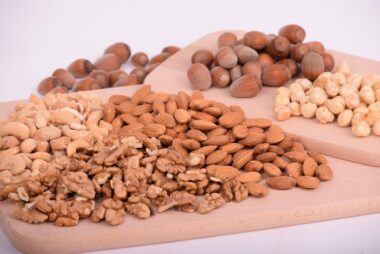
A common misconception is that fats should be avoided before workouts. However, healthy fats can play an essential role in pre-workout nutrition. Fats provide a sustained energy source for longer, low to moderate intensity workouts, which contributes to endurance. They also help in the absorption of fat-soluble vitamins, aiding overall nutrient intake. Sources of healthy fats include avocados, nuts, seeds, and olive oil. Including these fats in moderation can help maintain energy levels without providing an excess that could lead to gastrointestinal discomfort during workouts. Aim for about 10 to 20 grams of healthy fats before training, ensuring not to overload your stomach. Balancing fat intake with the right amounts of protein and carbohydrates ensures a well-rounded meal that adequately fuels your workouts. However, be mindful of timing; consuming too many fats immediately before exercising may hinder performance due to slower digestion. Experimentation is vital; assess how your body feels and respond best during workouts, making adjustments as needed. Incorporating healthy fats into your pre-workout nutrition can lead to better overall well-being while supporting muscle growth and recovery.
Adequate hydration is another crucial aspect of pre-workout nutrition, often overlooked by many fitness enthusiasts. Water is essential for maintaining optimal bodily functions, including the transportation of nutrients and regulation of body temperature during exercise. Dehydration can significantly impair performance, reducing strength, endurance, and cognitive function. Therefore, maintaining hydrated before workouts is vital to maximizing muscle protein synthesis and ensuring peak performance levels. Aim to drink water consistently throughout the day, and consider having around 16 to 20 ounces about two hours prior to your workout. Additionally, consuming an electrolyte beverage can be beneficial during longer training sessions, especially in high temperatures. Electrolytes play a vital role in muscle contractions, and including them in your pre-workout rituals can support fluid balance and enhance performance. It is equally important to recognize the signs of dehydration, like fatigue or dizziness, and address them promptly. Understanding your unique hydration needs enhances not only your workout performance but also promotes effective recovery. Keeping a water bottle handy will serve as a reminder to stay hydrated and can greatly assist in achieving your fitness goals.
Timing Your Pre-Workout Nutrition
The timing of your pre-workout meal greatly influences your training performance. In general, consuming a meal or snack 30 to 60 minutes before exercise is recommended for optimal energy levels. However, this can vary based on personal preference, metabolic rate, and workout intensity. Some individuals may benefit from consuming a larger meal several hours prior and then a smaller snack right before workout. A well-timed meal allows the body to utilize nutrients effectively energy. It is essential to find a routine that works best for you, ensuring that you feel energized and not sluggish during workouts. It may require some trial and error to discover the best timing and food combinations that will suit your body’s needs. Pre-workout meals should contain balanced amounts of protein, carbs, and fats to prevent fatigue during training. Additionally, avoid high-fiber and heavy meals directly before working out to mitigate potential digestive issues. Listening to your body and adapting meal timing accordingly can significantly enhance performance and results from your workouts and will drive you toward your muscle-building goals.
In conclusion, pre-workout nutrition is a vital aspect of muscle building and enhancing overall performance. By focusing on the right balance of carbohydrates, proteins, and healthy fats, you set the foundation for successful workouts. Protein aids in muscle repair, while carbohydrates provide necessary energy for intensity, and fats support overall health and vitamin absorption. Furthermore, ensuring adequate hydration not only maximizes performance but also supports muscle recovery post-exercise. The timing of food intake also plays an important role with optimal meals consumed prior to workouts. Each individual requires a unique approach due to various factors, including personal preferences and biological responses, so experimenting with different foods and meal timing is essential. The implementation of pre-workout nutrition strategies can significantly influence your body’s muscle protein synthesis, eventually yielding positive results. Consider consulting with a nutritionist or fitness expert to tailor a plan that suits your specific goals. Investing in pre-workout nutrition will empower your muscle growth journey while enhancing both enjoyment and satisfaction during your training sessions. Ultimately, proper nutrition can be the missing piece to unlocking your full potential in the realm of fitness and muscle building.
Remember that the journey to building muscle isn’t solely reliant on training; proper nutrition is just as crucial. By prioritizing pre-workout nutrition, you’re providing your body with the necessary tools to maximize performance and results.