
Optimizing Athletic Performance through Regular Sports Massage Sessions
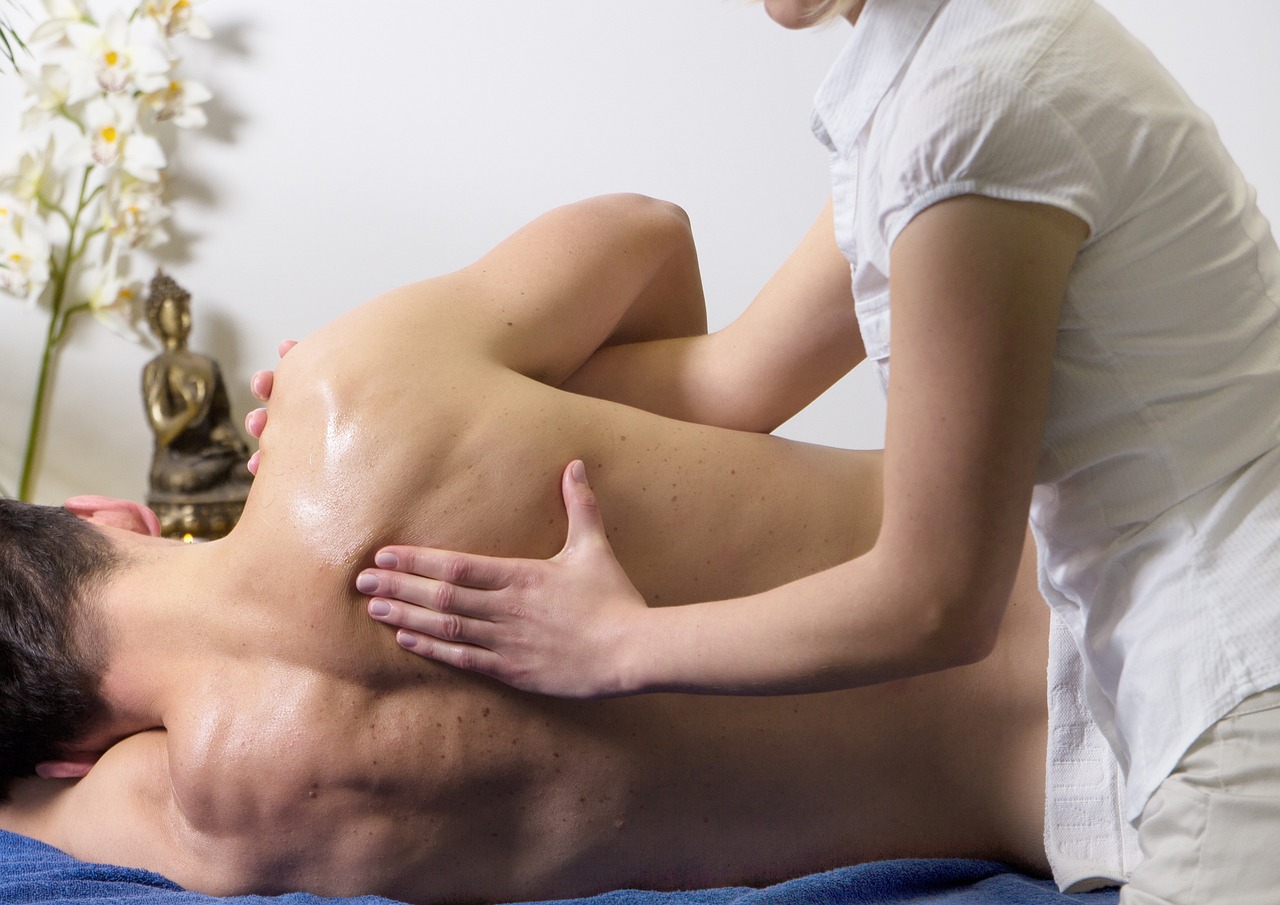
Sports massage is a targeted practice that focuses on the needs of athletes by enhancing performance and promoting recovery. This specialized massage therapy is essential for athletes engaged in sports that demand high levels of physical exertion. Regular sessions help alleviate muscle tension, improve circulation, and reduce the risk of injuries, allowing athletes to train harder and recover faster. Sports massage techniques often incorporate elements of deep tissue massage and stretching, tailored to the individual athlete’s routine. The primary goal is to maximize athletic performance while minimizing downtime due to injuries. Some techniques used in sports massage include effleurage, petrissage, friction, and tapotement. These methods aim to increase blood flow to the muscles, delivering oxygen and nutrients, and removing metabolic waste. Moreover, research shows that athletes who receive regular sports massage report improved flexibility, reduced muscle soreness, and overall greater satisfaction in their performance levels. The psychological benefits are also significant, as athletes experience heightened relaxation, focus, and motivation. Ultimately, a committed approach to sports massage can be a game changer for athletes aiming to optimize their performance.
In addition to enhancing physical performance, sports massage plays a crucial role in injury prevention. Regularly scheduled sessions can detect muscle imbalances or areas of tension before they lead to more serious injuries. An experienced sports massage therapist can identify problem areas and apply specific techniques to alleviate potential threats to an athlete’s well-being. For instance, tight calf muscles might lead to Achilles tendonitis if ignored. Therapeutic massage techniques used in sports massage can alleviate chronic pain and tension through strategic application. The therapist may also provide advice on stretching routines and proper warm-up exercises, further supporting the athlete’s regimen. By incorporating massage therapy into their training program, athletes are not only enhancing recovery times but also increasing their overall awareness of their body’s condition. This proactive approach allows for adjustments in training that align with the individual athlete’s needs. Taking the time to schedule sessions routinely can develop a more profound understanding of the body’s limitations, thereby leading to informed decisions about training intensity and recovery strategies. Hence, sports massage is a vital component in the holistic care of any competitive athlete.
The Psychological Benefits of Sports Massage
Alongside its physical advantages, sports massage also delivers significant psychological benefits for athletes. The rigorous demands of training and competition can easily lead to mental fatigue, increased stress, and anxiety. Regular sports massage can offer relaxation and serenity that counterbalances the pressures athletes face. The soothing techniques employed during a session stimulate the release of endorphins, which are natural mood lifters. This chemical release not only alleviates physical pain but also fosters a more positive mindset. Many athletes report heightened focus and increased motivation post-massage, enabling them to approach their next training session with renewed vigor. Mental clarity is crucial for performance, particularly in competitive environments where stress levels may peak. Moreover, the individualized nature of the therapy builds trust and rapport between the athlete and therapist, further contributing to mental well-being. Through consistent engagement in sports massage, athletes develop a ritual that promotes self-care and encourages mindfulness. This journey toward mental fortitude complements the physical training regimen, positioning the athlete towards cumulative success in their sport. Therefore, the mental replenishment achieved through regular sports massage cannot be overlooked.
Sports massage techniques vary widely, designed to meet the specific needs of different sports and athletes. For instance, marathon runners might benefit from techniques focusing on the legs’ muscles, while swimmers may require more attention on their shoulders and back. It is crucial for athletes to discuss their goals and specific requirements with their massage therapists to achieve optimal results. Tailoring techniques to the needs of the individual significantly improves effectiveness. Common methods include trigger point therapy, which uses direct pressure to relieve knots in muscles, and myofascial release designed to alleviate tension in the connective tissues. Other athletes might prefer a more generalized massage that provides overall relaxation. Each of these approaches works toward the same goal: to enhance performance and support recovery in different ways. Athletes should seek therapists specialized in sports massage as they will have the expertise necessary to apply the correct techniques effectively. This specialized knowledge ensures that athletes gain the maximum benefits during their sessions. Investing in the right type of massage can make a marked difference in training and competition performance.
Finding the Right Sports Massage Therapist
Choosing the right sports massage therapist is vital to enjoy the full benefits of sports massage. Athletes should seek professionals with specific training and certification in sports massage modalities. A therapist skilled in sports massage will understand the unique physiological demands placed on athletes, enabling them to tailor treatments accordingly. It’s essential that the therapist has experience working with athletes in similar sports, as they would be more familiar with common injuries and muscle concerns associated with those activities. Athletes might also want to check testimonials or reviews from other clients. Attending consultations can provide insight into a therapist’s approach to care and whether their style aligns with the individual’s needs. Having open discussions about injuries, goals, and expectations of the sessions is crucial. This transparency aids therapists in developing targeted treatment plans that address the athlete’s specific issues effectively. Moreover, a good rapport and level of comfort with the therapist is paramount, as athletes must be at ease during sessions for optimal results. By investing time in finding the right specialist and maintaining this relationship, athletes ensure they receive the best care available.
Frequency of sports massage sessions should be discussed based on an athlete’s training schedule and personal needs. Many athletes find that regular sessions, such as weekly or bi-weekly, produce the best results in terms of recovery and performance improvements. However, this preference can vary depending on the intensity of the athlete’s training phase and their overall physical health. During peak training times or pre-competition periods, more frequent sessions may be necessary to maintain muscle health and function. Conversely, during off-seasons when training intensity may taper, the frequency can diminish accordingly. Athletes should maintain a flexible approach to scheduling, adjusting as required in response to their physical condition or training demands. Simple communication with the therapist can help identify the ideal timing and duration of treatments. Additionally, athletes can also benefit from incorporating self-massage techniques and stretching routines between professional sessions to bolster the effects of sports massage. Ultimately, understanding one’s body and its needs is key to maximizing the benefits of regular sports massage.
Conclusion: Sports Massage as a Vital Component
In conclusion, incorporating regular sports massage sessions into an athlete’s training routine is an invaluable investment in their performance, recovery, and overall well-being. Athletes who prioritize sports massage often report tangible improvements in flexibility, muscle recovery, and overall performance metrics. Beyond the physical advantages, the mental support experienced through massage brings clarity and focus essential for success. The intricate blend of relaxation and targeted therapy mobilizes the body’s natural healing mechanisms while promoting a proactive stance against injuries. Selecting a qualified sports massage therapist tailored to individual needs can enhance the positive outcomes experienced during sessions. Regularly scheduled massages align with the athletic schedule and adapt according to the competitive calendar. This commitment to self-care fosters resilience and heightened readiness for training and competition. Athletes must remember that taking care of their body through sports massage is not merely a luxury but a pivotal aspect of their overall training strategy. Therefore, establishing a regular massage routine ensures enhanced athletic performance and promotes a sustainable sporting career.