
Harnessing Psychoneuroimmunology for Improved Fitness and Well-Being
The mind-body connection is a profound concept that helps us understand the intricate links between psychological processes and physiological health. Psychoneuroimmunology (PNI) is the scientific discipline addressing these connections. It explores the interaction between mental states, the nervous system, and immune function. Understanding PNI allows individuals to harness mental practices to positively influence their physical health outcomes. For instance, when a person engages in meditation or mindfulness exercises, stress levels can decrease significantly. As stress reduces, the immune system’s functioning improves, leading to better overall wellness. By adopting practices that promote mental tranquility, individuals can create a healthier internal environment conducive to enhanced fitness. This understanding forms the foundation for many holistic health approaches. Thus, the synergy between mental health, immunity, and overall fitness underscores the potential of integrating PNI principles into everyday life. Such integration can transform one’s approach to health management. Moreover, it empowers individuals to take charge of both their mental and physical health, ultimately paving the way for improved quality of life and resilience against various health challenges. Exploring this connection opens new avenues for enhanced personal well-being.
Implementing psychoneuroimmunology strategies can significantly boost your fitness journey. Exercise is widely known for its physical benefits, but it also influences mental well-being and immune responsiveness. Engaging in physical activities releases endorphins, chemicals that help alleviate stress and improve mood. These biochemical changes can enhance motivation and overall life satisfaction. Moreover, exercise can assist in modulating the immune response, equipping the body to prevent disease more effectively. As such, fitness routines should encompass not only strenuous workouts but also mindfulness practices. Activities like yoga and tai chi are perfect examples of this balanced approach. Both can promote relaxation while enhancing physical strength and flexibility. To tap into the benefits of PNI, individuals should consider establishing a fitness regimen that seamlessly integrates physical and mental practices. This combination can lead to holistic improvements in health. Setting achievable fitness goals can further maintain focus and positivity. Applying PNI principles can thus assist in creating an effective long-term workout plan. In this way, the integration of mental and physical health strategies can ensure an elevated fitness journey and overall well-being.
The Role of Stress Management
Incorporating effective stress management techniques into your routine is vital for reaping the benefits of psychoneuroimmunology. Chronic stress has detrimental effects on both mental and physical health. High-stress levels can lead to elevated cortisol production, jeopardizing immune function and increasing susceptibility to health issues. To mitigate the adverse impacts of stress, individuals can adopt various techniques, such as deep breathing exercises, meditation, and regular physical activity. These methods promote relaxation and positively affect well-being, buffering against stress impact. Establishing a consistent practice of mindfulness cultivates a greater awareness of one’s thoughts and feelings, allowing for better emotional regulation. Furthermore, engaging in social activities can provide essential support during challenging times, fostering resilience. Connecting with friends, family, or even support groups can strengthen emotional bonds, which is essential for mental health. The community creates a sense of belonging and shared experiences, reinforcing one’s support system. By effectively managing stress, individuals can enhance their immune functions and overall fitness. This conscious approach to mental and emotional health lays the groundwork for a balanced and fulfilling lifestyle.
The connection between nutrition and psychoneuroimmunology is equally significant, highlighting the importance of diet in enhancing the mind-body relationship. Consuming a balanced diet rich in vitamins, minerals, and antioxidants supports both mental and physical health. Nutrient-rich foods promote brain function while enhancing immune responsiveness. Research supports that omega-3 fatty acids, commonly found in fish, can promote brain biosynthesis linked to improved mood. Incorporating these in daily meals can contribute positively to emotional well-being. Additionally, complex carbohydrates can boost serotonin levels, promoting happiness and relaxation. A diet abundant in fruits and vegetables provides essential antioxidants to combat oxidative stress in the body, supporting immunity. Moreover, staying hydrated is crucial; even mild dehydration can affect mood and energy levels. By choosing whole, nutrient-dense foods, individuals are advancing their overall health. Understanding the coupling of nutrition with psychoneuroimmunology can empower individuals to make informed dietary choices contributing to fitness and well-being. As individuals prioritize nutritious eating, they find a powerful ally in their quest for holistic health, revealing the vital impact of mindful food selections.
Mindfulness and Its Benefits
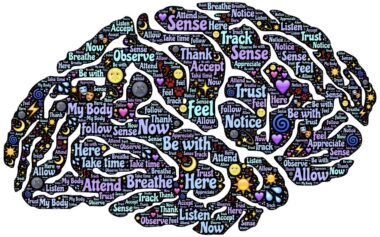
Practicing mindfulness directly relates to the principles of psychoneuroimmunology; its benefits extend beyond mental clarity to influence physical health improvements. Mindfulness refers to maintaining an active awareness of the present moment, allowing individuals to observe their thoughts, emotions, and sensations without judgment. Regular mindfulness practice can reduce symptoms related to anxiety and depression, improving overall emotional regulation. These positive mental shifts greatly affect immunity and promote overall resilience. Engaging in mindfulness meditation fosters a sense of peace, leading to lower cortisol levels in the body. This relational dynamic enhances immune function, which can lower the risk for various health issues. Additionally, mindfulness nurtures self-compassion, encouraging individuals to treat themselves with kindness during setbacks. When individuals practice self-compassion, they improve their motivation to engage in physical activity and maintain healthy habits. Mindfulness also encourages a deeper connection to one’s body, increasing awareness of its needs. As individuals become more attuned to their bodies, they can make healthier choices, resulting in improved fitness. Thus, embracing mindfulness can lead to substantial gains in both mental and physical well-being.
As we further explore the integration of psychoneuroimmunology into daily life, actionable steps emerge that can help individuals improve their fitness and overall wellness. Regularly assessing one’s mental, emotional, and physical state can provide insight into necessary adjustments that support health goals. Tracking progress and staying accountable fosters motivation; using journaling techniques allows reflection on personal experiences and overall growth during the fitness journey. Moreover, engaging in community-based fitness activities can enhance mental resilience and create bonds with others, providing various support networks. To further enrich the fitness experience, individuals can seek out local classes or wellness seminars focused on mind-body integration. Utilizing apps for guided meditations or yoga can also serve as additional resources to develop and maintain a balanced lifestyle. Commitment to continuous learning about human physiology and psychology enriches the understanding of the interdependence of mental and physical health. Education empowers individuals to become active participants in achieving fitting goals. Through these steps, the potential for improved fitness and well-being becomes tangible. Embracing PNI principles can ultimately transform lives.
Conclusion: Embracing a Holistic Approach
The integration of psychoneuroimmunology offers immense potential for improving overall fitness and well-being. Recognizing the interconnectedness of mental and physical health creates a comprehensive approach to self-care. Thus, individuals can foster resilience against diseases by cultivating healthy mental habits alongside physical practices. Continuous exploration unveils how the mind can shape immunity and influence physical health positively. Strategies aimed at stress reduction, mindful nutrition, and community engagement lay the groundwork for holistic wellness. As society evolves, prioritizing mental health within fitness regimens will continue to gain importance. Mindful engagement equips individuals to recognize their emotional states and their impact on immune health, thereby improving quality of life. Moreover, applying insights gained from psychoneuroimmunology empowers individuals to take proactive steps toward well-being. Everyone can harness the benefits derived from understanding the mind-body connection by considering this approach. In doing so, individuals cultivate a healthier, more balanced lifestyle. Psychological wellbeing enhances both mental and physical fitness, creating endurance and resilience. Ultimately, embracing a holistic approach that incorporates PNI can announce a new era of health and personal empowerment.
As the world recognizes the consequences of disconnected health approaches, embracing psychoneuroimmunology achieves impactful benefits for enhanced fitness and well-being. Through integration, transformative changes emerge within individuals’ lives, affecting overall pathways to health. Goals achieved through fitness and careful planning underscore the importance of personal engagement and responsibility. A resolute commitment to sustaining progress in both mental and physical health crafts a unique and fulfilling experience for everyone involved in occupational or personal training. The comprehensive strategy empowers individuals to understand and apply knowledge related to psychoneuroimmunology in practical ways, updating personal definitions of success in overall health. By embracing this connectedness, individuals open doors to emotional growth and self-discovery promising improved fitness outcomes. As advances in science refine our understanding of human physiology, wellness paradigms will expand and adapt, fostering innovative techniques that resonate with participants. Each exploration of mind-body research brings us closer to understanding its vast potential. Solutions driven by PNI foster communities capable of facing health obstacles more effectively. Ultimately, through collaborative efforts and integrative methods, we reclaim our health through conscious choices and collaboration that elevate our fitness journeys.