
How Consistent Pilates Practice Transforms Body Alignment
Pilates has become a significant practice for those seeking improved body alignment and overall posture. This unique exercise method engages both the mind and body, focusing on controlled movements that enhance core strength and flexibility. Regular Pilates sessions foster body awareness, enabling practitioners to identify and correct misalignments in their posture. As individuals immerse themselves in these routines, they tend to become more conscious of their body mechanics throughout daily activities, reducing the risk of injuries related to poor body alignment. Body alignment refers to the proper positioning of the body’s joints and muscles, maintaining a balance that prevents stress and strain. Pilates emphasizes precision and alignment in every movement. The exercises target the core muscles, helping to create a strong foundation that supports better alignment. Furthermore, improved flexibility gained through Pilates also contributes to better postural habits. Significantly, the mind-body connection cultivated in Pilates promotes mindfulness, encouraging practitioners to focus on their physical state and enhancing their overall sense of well-being.
One of the fundamental principles of Pilates is concentration, which refers to the necessity of being aware of your body and how it moves during the practice. Each Pilates movement requires attention to detail, translating into improved body alignment. As individuals grow in their practice, they learn to engage specific muscle groups intentionally, promoting better alignment in the process. For instance, as practitioners focus on stabilizing their core, their spine naturally aligns better. Through consistent practice, areas that might be overactive can be relaxed while underactive muscles strengthen, leading to a balanced body structure. Proper body alignment aids in optimal movement efficiency, meaning practitioners can perform daily tasks with less effort and strain. Incorporating breathing techniques into the practice also positively impacts body alignment. Controlled breathing ensures proper oxygenation to muscles and contributes to a relaxed state. This relaxation helps individuals become more in tune with their bodies, further enhancing their ability to maintain postural integrity. As individuals progress on their Pilates journey, they often report decreased discomfort in areas like the neck and lower back, further affirming the transformative effects of this disciplined practice.
The Role of Core Strength
Core strength plays an essential role in achieving optimal body alignment during Pilates. A strong core allows for better stability and control, creating a solid foundation for all other movements. This stability directly influences posture alignment, as a stable core supports the spine effectively. Pilates poses often concentrate on core engagement, helping to train the abdominal and lower back muscles. Enhanced core strength helps correct misalignments that lead to discomfort and pain. The connection between core strength and body alignment is further highlighted in how it affects various activities like sitting and standing. A weak core can lead to slouched shoulders and a rounded back, while a strong core invites a more upright posture. Moreover, engaging in Pilates helps practitioners develop functional strength, promoting proper movements that carry over to everyday life. As the core strengthens, those participating in Pilates notice improvements not only in their physical appearance but also in their confidence and overall posture. With consistent practice, practitioners cultivate both aesthetic and health benefits, reinforcing the significant role of core strength in achieving body alignment and overall well-being.
The alignment of the hips is another crucial aspect that Pilates addresses, significantly impacting overall body posture. Misalignments in the hips can lead to compensations in the spine and shoulders, creating discomfort and potential long-term issues. Pilates exercises target the hip flexors and stabilizers effectively, promoting alignment by strengthening and releasing tension in these areas. Proper hip alignment facilitates balanced movement patterns, essential for avoiding injuries. For instance, practicing movements that engage the glutes and abdominal muscles helps maintain a neutral pelvis, essential for spine health. As practitioners focus on their hip alignment within exercises, they not only enhance their muscle strength but also improve their body mechanics. In doing so, they activate surrounding muscle groups that support hip stability and function better. This increased awareness is transformative, as practitioners start applying what they learn in Pilates to their everyday routines, embodying correct posture throughout various activities. Making these small adjustments in body alignment can lead to substantial improvements in how an individual feels throughout their day-to-day activities.
Mindfulness and Alignment Connection
Engaging in Pilates fosters a deep connection between mindfulness and body alignment. The practice encourages individuals to focus entirely on their movements, paving the way for increased self-awareness. This heightened awareness extends beyond the mat, influencing attitudes towards posture throughout daily life. The integration of breathwork in Pilates enhances the mind-body relationship, granting practitioners tools to manage stress and tension more effectively. Daily stress often leads to habitual poor posture, such as slumping in chairs or hunching over smartphones. Pilates invites individuals to reset these patterns by consciously engaging their muscles and aligning their bodies. Over time, the realization of how one carries oneself throughout the day becomes more apparent. By harnessing the power of mindfulness cultivated in Pilates, practitioners can actively adjust their posture in real time. This continual practice creates new habits that promote healthier alignments. Consequently, the transformation extends beyond the physical realm, fostering emotional well-being as participants feel more confident in their bodies, liberated from the constraints of poor alignment and the discomfort it brings.
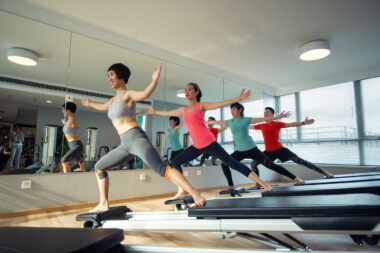
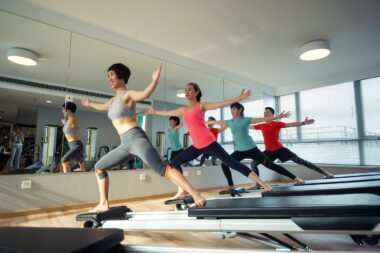
The versatility of Pilates makes it suitable for individuals of all fitness levels. Whether someone is a seasoned athlete or a complete beginner, Pilates offers modifications for various abilities. It allows for personalized adjustments, enabling practitioners to work towards improving their body alignment at their own pace. Notably, trained instructors emphasize proper form and alignment during sessions, ensuring that participants develop a solid understanding of fundamental movements. This expert guidance is crucial, as correct technique directly influences outcomes. In group classes or one-on-one sessions, everyone can experience collective encouragement while maintaining individual focus. This supportive environment further motivates participants to stay consistent in their practice. Additionally, the adaptability of Pilates means options are available for addressing specific body alignment concerns, offering tailored solutions. With ongoing practice, individuals begin to witness transformations in their body that may have seemed unattainable before. Improved body alignment encourages not only physical balance but also a holistic approach to well-being, enhancing quality of life and fostering a positive mindset.
Conclusion: Lasting Impact of Pilates
In conclusion, the positive impact of consistent Pilates practice on body alignment is profound and far-reaching. By integrating core strength, mindfulness, and targeted movements, practitioners can achieve significant improvements in their posture over time. The collaborative nature of Pilates emphasizes a balanced approach to fitness, combining physicality with mental awareness. Individuals journeying through Pilates often find they experience more than just physical changes; they embrace a lifestyle shift towards better health and awareness. The awareness gained through consistent practice informs daily postural choices, allowing individuals to feel empowered. Therefore, Pilates serves as not only a method for achieving body alignment but also as a tool for personal development and wellness. As transformations unfold on the mat, the benefits extend into life outside of Pilates studios, influencing overall health, social engagement, and self-perception. Ultimately, the essence of Pilates lies in cultivating a continual practice that fosters long-term body alignment, making it a valuable investment for anyone seeking to enhance their well-being and quality of life.