
How Pregnancy Affects Core Strength
Pregnancy brings massive changes to a woman’s body, especially affecting core strength. During this time, the abdominal muscles extend to accommodate the growing fetus. This can lead to a condition known as diastasis recti, where the two sides of the rectus abdominis muscle separate. Hormones such as relaxin increase during pregnancy, making ligaments more pliable but resulting in reduced core stability. The pelvic floor also undergoes transformation during this period, which might affect posture and increase back pain. These changes can make it challenging for many women to maintain the strength needed for their usual activities. Being aware of these changes is crucial; it helps to prepare for the recovery process. It’s essential to engage in safe core exercises to promote strength and stability post-pregnancy. Regular check-ups with health professionals can guide new mothers in recovery. Adequate rest and nutrition supply the necessary energy for workouts, making them smoother. It is always wise to consult a healthcare provider before beginning any fitness regimen during or after pregnancy to ensure it’s suitable for your specific circumstances.
Importance of Consulting Health Professionals
Consulting with healthcare providers is important to address post-pregnancy fitness effectively. They provide tailored advice based on individual conditions. For some, physical therapy might be recommended to strengthen core muscles safely. A physical therapist can tailor a program that considers personal pain levels, mobility, and fitness objectives. This personalized approach ensures that exercises are safe and effective, minimizing injury risk. In addition, healthcare professionals can monitor recovery closely, helping new mothers progress gradually. They might suggest specific exercises to target weakened areas while ensuring a smooth return to physical activity. Midwives and obstetricians can also give insights into healthy routines post-pregnancy, accommodating unique healing timelines. Furthermore, they can provide resources and support on nutrition, which complements physical recovery. These aspects are essential for overall health and well-being after childbirth. Engaging with a healthcare provider establishes a solid foundation for a successful fitness journey. Personal experiences, like struggles or triumphs, can enrich this collaborative process, enhancing motivation. Listening to professional advice ensures that mothers can regain their strength while caring for their newborns simultaneously.
Another avenue for recovery involves joining community support groups. Many local organizations offer resources for new mothers specializing in fitness. These groups promote camaraderie, encouraging women to share experiences and challenges. They often feature qualified trainers who understand postpartum needs, creating inclusive fitness environments. Some sessions might combine physical activities with discussions about parenting and health, adding a holistic aspect to recovery. By participating, women can find motivation through collective effort in the fitness journey. It also fosters accountability as mothers support one another in their goals. Women learn proper techniques and modifications for exercises suited to their unique conditions. Many find friendships that last beyond workouts. Engaging in these community activities helps lessen the feeling of isolation. Some mothers experience anxiety or stress post-birth, and sharing these feelings in a group can be therapeutic. Balancing workouts and parenting responsibilities can be challenging, but support groups make it more manageable. They provide valuable insights into overcoming obstacles while offering emotional assistance. Finally, these environments help reinforce the importance of self-care, reminding women that prioritizing fitness is a vital component of mental and physical health.
Rebuilding Core Strength Safely
To rebuild core strength safely, a gradual approach is essential. Start with basic, gentle movements focusing on engaging the core without strain. Pelvic tilts and diaphragmatic breathing are great starters; they promote stability while minimizing risks. One effective technique is the cat-cow stretch, enhancing flexibility and core engagement. These movements can be performed on hands and knees, allowing for gentle spinal mobilization. Incorporating stability exercises, like seated marches, promotes coordination while protecting the lower back. It’s crucial to listen to your body throughout this journey; be mindful of discomfort or pain signals. Gradual progression is key, avoiding any exercises that cause excessive strain. Incorporate a blend of cardiovascular exercise and strength training to develop comprehensive fitness. Low-impact activities, such as walking or stationary cycling, can improve cardiovascular endurance without straining the core too much. Always include a warm-up and cool-down routine in any workout session. Hydration and proper nutrition significantly contribute to recovery and muscle building. Making these adjustments will set the groundwork for more advanced core workouts in the future, ensuring a safe progression towards enhanced strength.
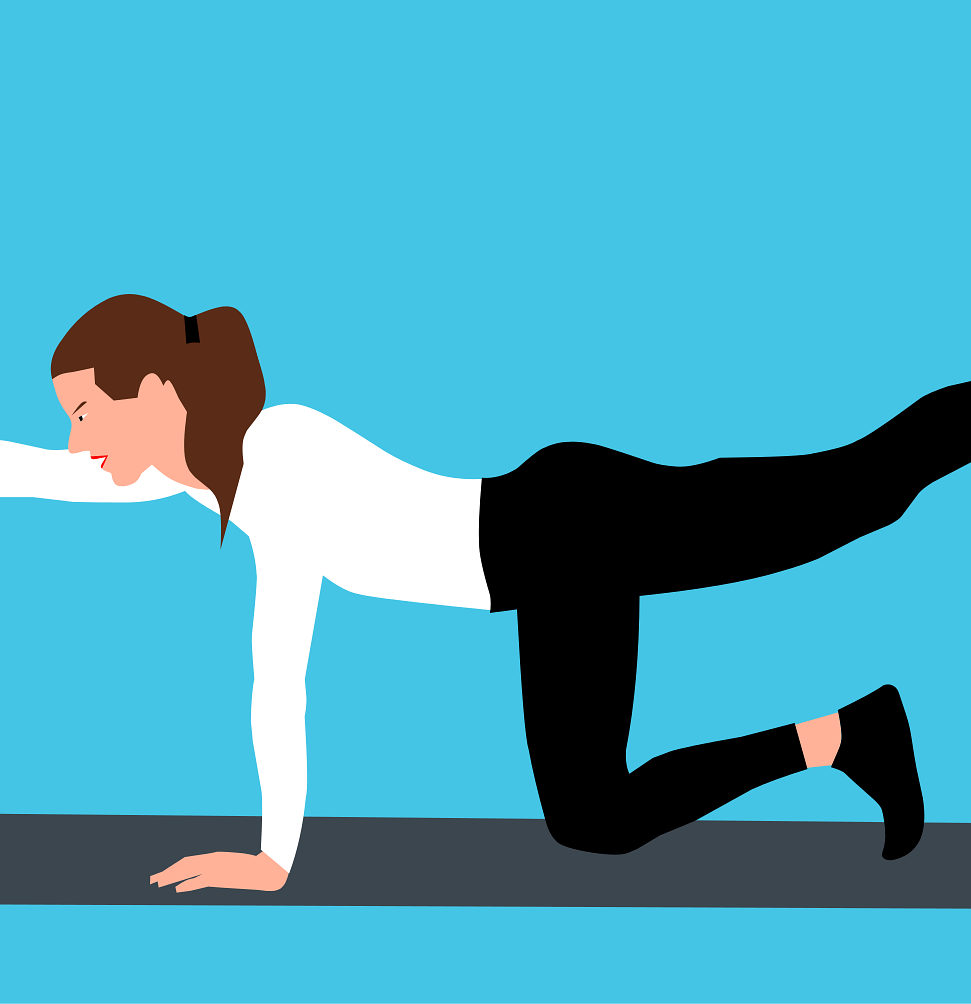
As strength improves, consider adding exercises that specifically target the abdominal muscles. Modified planks and bridges can help build necessary resilience in the core area. Plank variations engage multiple muscles, making them effective for an overall body workout. Remember to pay attention to posture while executing these exercises; faulty form can lead to injury. Other effective core workouts include sidelying leg lifts and bird-dogs, providing a mix of strength and stabilization. Always prioritize controlled, slow movements to avoid excess pressure on healing tissues. Gradually increasing the intensity is essential; incorporate more challenging changes only when you feel ready. This enables sustained progress while minimizing injury risks. Don’t neglect the importance of balance training. Stability ball exercises can further enhance core strength, providing dynamic resistance. Listening to your body continues to remain crucial moving forwards. Tracking progress through journaling or fitness apps helps in maintaining focus and motivation. Celebrate small milestones, as they indicate improvement over time. Lastly, remember that each recovery journey is unique, encouraging acceptance of one’s pace towards rebuilding core strength effectively.
Lifestyle Adjustments for Better Recovery
Lifestyle adjustments play a pivotal role in recovery and enhancing core strength after pregnancy. Prioritizing sleep whenever possible is critical; it allows the body to heal and rejuvenate. Fatigue can hinder motivation to engage in physical activity, so resting is essential. Incorporating a balanced diet rich in proteins and whole grains supports muscle repair and energy levels. Foods high in calcium and fiber also contribute positively, affecting overall well-being. Hydration is equally vital; drinking ample water aids in maintaining energy and optimizing body functions. Consider practicing stress management techniques like yoga and meditation for mental health; these practices promote emotional balance, which can indirectly influence physical recovery. Allowing time for self-care allows new mothers to recharge mentally and physically. Whenever possible, delegate certain tasks to ease the load and create time for fitness. Small adjustments, such as walking during baby’s nap time, create an opportunity to stay active. Setting realistic goals tailored to individual circumstances aids in consistent progress. Finally, embrace patience and understand it’s a gradual process that requires time and commitment for results.
Engaging in varied core workouts also fosters a sense of community among women. Group classes designed for postpartum recovery can provide support, further motivating attendees to stay committed. The energy in a class contributes significantly to keeping spirits high while pushing through exercises. These targeted workouts not only help rebuild strength but also reinforce connections among participants. Sharing experiences helps combat feelings of loneliness faced by many new mothers. Additionally, celebrating accomplishments, no matter how small, encourages persistence in workouts. Attending regular classes aids in sticking to a routine, which is essential for consistent improvement. Finding a workout buddy can enhance accountability and share motivation; these partnerships establish a reliable support network. Extra encouragement from friends or family can also foster engagement. Attending group sessions often provides a refreshing environment where women step outside their homes, enabling socialization and development. As fitness levels improve, consider increasing class difficulty or trying specialized programs. These adaptations can continually challenge core strength while ensuring a gratifying experience for postpartum women. Remember to enjoy the journey of regaining fitness and health, appreciating every stage of rebuilding strength after pregnancy.
In conclusion, understanding how pregnancy affects core strength aids women in tailoring effective recovery strategies. Engaging with professionals, community support, and gradual rebuilding contribute significantly to rebuilding core strength post-pregnancy. These elements provide a holistic view of fitness and health, encompassing physical, mental, and emotional aspects. Introducing safe core workouts, coupled with lifestyle adjustments, further enhances success in this journey. Women should feel empowered in their fitness choices, recognizing that every recovery path is distinct. Connecting with other mothers and sharing experiences brings a supportive aspect into fitness routines, making the process more enjoyable. Remembering the importance of patience and persistence leads to long-lasting results and healthful habits. All women deserve proper guidance and care in reclaiming their strength after childbirth. Embracing self-compassion and understanding the body’s healing journey is crucial. With continued focus, dedication, and support, regaining core strength is entirely achievable. Every step taken, however small, marks a move toward overall wellness and fitness. Ultimately, reclaiming core strength after pregnancy is a powerful journey that can lead to renewed vitality and confidence for mothers everywhere.