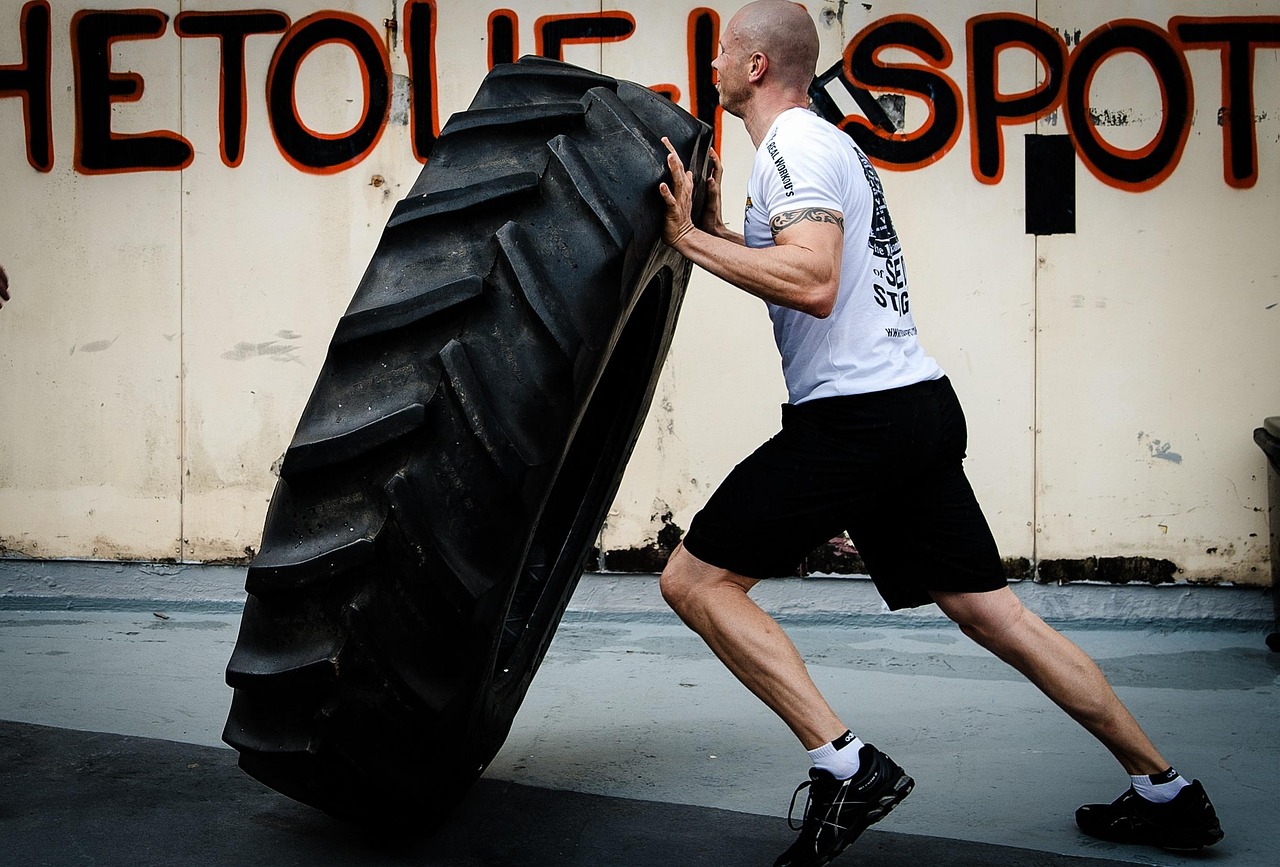

Injury Prevention Tips for CrossFit Bodyweight Training
CrossFit bodyweight exercises can effectively develop strength, flexibility, and endurance, but they also come with injury risks. To minimize these risks and enhance your performance, you should focus on proper warm-ups. Warm-ups not only prepare your muscles for the workout but also increase your heart rate. Start with dynamic stretches to activate key muscle groups. Include exercises like lunges and arm circles that prepare your body for the workout ahead. Listen to your body during this stage to identify any tight spots needing attention. Another important aspect of warm-ups is to gradually increase the intensity. This allows your body to adapt better and helps prevent injuries during bodyweight movements, especially if you’re new to CrossFit. Incorporate mobility work into your warm-up routine, which can enhance your range of motion. This approach is crucial for tackling bodyweight exercises like push-ups, squats, or burpees, which require optimal form for maximum benefits. Always consider your fitness level when planning workouts; modify your exercise to prevent excessive strain. Focus on foundational movements to develop a solid base before progressing.
Focus on Technique
Developing a solid understanding of technique is crucial in CrossFit bodyweight training. Engaging with proper form not only maximizes the effectiveness of your workouts, but it also significantly reduces the risk of injury. Pay attention to your body positioning during exercises. For example, in push-ups, ensure that your back remains straight and your elbows are directly under your shoulders. Training with good form prevents unnecessary strain and helps you retain better control. Additionally, consider consulting a qualified coach or experienced trainer for guidance. A knowledgeable instructor can offer tips and corrections tailored to your unique muscle imbalances. They can guide you through drills aimed at improving your technique while ensuring safety throughout the exercises. Recording your sessions can also be helpful; analyzing video footage allows for greater self-awareness on technique. Another way to enhance your focus on technique is through performing exercises slower. This intentional pacing ensures each movement is deliberate, reducing the likelihood of rushing. Finally, utilize mirrors if working out in a gym setting. Having visual feedback improves form and encourages ongoing adjustments to your movements.
Rest and recovery play essential roles in injury prevention within CrossFit bodyweight training. Adequate recovery time allows your muscles to heal and adapt to the stress of workouts. Particularly when engaging in high-repetition exercises or challenging movements, listen to your body’s signals diligently. If you experience pain or excessive fatigue, adjust your workout schedule accordingly. Incorporate rest days into your routine to facilitate this process, but remember that active recovery, such as light stretching or leisurely walking, can also provide benefits. Nutrition is another critical component of recovery. Proper hydration enhances muscle function, while balanced meals rich in protein and carbohydrates help in muscle repair. Consider consulting with a nutritionist to tailor your eating habits to support your training. Moreover, prioritize quality sleep; it’s during this phase your body undergoes recovery. Aim for seven to nine hours of restorative sleep each night to promote overall health. Implement techniques such as maintaining a regular sleep schedule and reducing screen time before bed. Avoiding acute fatigue while managing chronic stress fosters resilience, thus significantly decreasing injury risks during workouts. Embrace recovery as a vital piece of your training plan.
Gradual Progression
One of the most effective strategies for injury prevention in CrossFit bodyweight exercises is the principle of gradual progression. jumping into high-intensity workouts before fully developing your strength can lead to injuries. Set realistic goals that align with your fitness level. Start with fundamental movements, mastering bodyweight squats and push-ups before attempting more advanced variations like pistol squats or handstand push-ups. Increasing intensity can involve doing more repetitions or altering exercise positions, such as elevating your feet during push-ups. Keep in mind that slow, steady progress is often more sustainable in the long term. Track your workout metrics like reps, sets, and recovery times, which will help you to see your improvement while avoiding burnout. Consider scheduling regular check-ins with your coach to ensure you’re on the right path. Additionally, listen to your body; ensure you’re not pushing through discomfort during workouts. If you experience unusual fatigue or pain, be sure to back off and allow proper recovery. Establishing a routine that encourages gradual progression will lead to improved strength and flexibility while minimizing injury risks during CrossFit bodyweight training.
CrossFit bodyweight training often focuses on high-intensity workouts, which can lead to fatigue. Being mindful of your limits is, therefore, essential for injury prevention. Analyze your energy levels throughout your training sessions and don’t hesitate to adjust your workouts if you’re on the verge of exhaustion. Continuous fatigue increases the likelihood of improper movement patterns, which may result in injuries. It’s recommended to use a percentage-based approach to gauge the intensity of your workouts, ensuring you don’t overdo it. Consider incorporating a mix of high and low-intensity days into your weekly schedule. Make sure that when performing high-volume exercises or circuits, you allow time for sufficient recovery afterward. Additionally, implementing deload weeks can be beneficial, providing a break from high-intensity training to help alleviate persistent fatigue. These planned recovery phases will allow your body time to repair itself, revitalizing your energy for your next workout. Understand that feeling fatigued doesn’t equate to weakness; instead, recognize it as an essential part of your workout philosophy. By acknowledging your limits, you ultimately cultivate a safer and more efficient training environment.
Mindfulness and Focus
Practicing mindfulness during your CrossFit bodyweight workouts is paramount in avoiding injury. Maintaining a mindful approach involves concentrating on breathwork, body movements, and overall awareness of your physical state. Before commencing your training, take a moment to engage in mental preparation. Inhale deeply and develop a connection between your mind and body. When you focus on your movements, you can identify potential imbalances or discomfort, allowing you to make necessary adjustments. Create a mental checklist for body positioning, which keeps you engaged with your technique. Checking in with your body during each set helps you ensure the impact of every exercise is beneficial rather than harmful. Another effective technique involves setting intentions before starting your workout. Determine what you aim to achieve while respecting your physical condition. This practice can enhance mental resilience, enabling you to push through discomfort without risking injury. Additionally, incorporating mindfulness into your cooldown routine fosters a positive mindset. Engage in reflective practices that review your movements, which can help to reinforce proper techniques. Gathering insights post-workout also supports long-term improvements in your performance and injury avoidance.
In conclusion, injury prevention is crucial for effective CrossFit bodyweight training. By focusing on techniques such as warming up properly, maintaining good form, and allowing recovery, athletes can significantly reduce the risk of injury. Gradual progression is essential; it allows your body to adapt and strengthens key muscle groups effectively. Always listen to your body’s signals and adjust accordingly, whether that means scaling back intensity or taking an additional rest day. Practicing mindfulness enhances your connection to your training, enabling more precise movements that support safety. Remember that consistency is key, and injuries often arise from rushing the process or neglecting necessary foundational work. As you advance in your skills, continue reinforcing fundamental exercises to support your growth. The accumulation of these healthy habits leads to stronger performance outcomes and more enjoyable experiences in your training journey. Stay proactive about injury prevention and prioritize wellness throughout your CrossFit adventures. Finally, be patient with yourself; progress may take time, but smart training choices will pay off in the long run. Keep your focus on both safety and improvement, allowing for enjoyable and effective workouts.