
Using Whole Foods to Create Satisfying Weight Loss Recipes
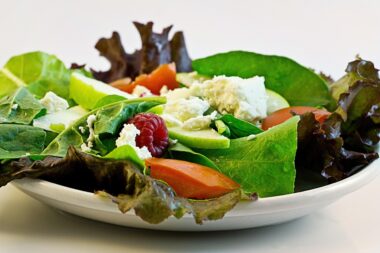
Incorporating whole foods into your cooking can truly transform your weight loss journey. Whole foods refer to natural ingredients that are minimally processed, retaining their nutrients and flavor. These foods are not only nutritious but also delicious and satisfying, facilitating better weight management. To start, focus on using fresh vegetables and fruits in your recipes, as they’re loaded with vitamins, minerals, and fiber. Fiber-rich foods, such as beans and legumes, can help keep you feeling full longer, reducing cravings. Furthermore, whole grains such as brown rice, quinoa, and oats are excellent choices for a filling meal base. You might also consider incorporating healthy fats, like avocados and nuts, in moderation. They can add flavor and satiety to your dishes, making your meals more enjoyable. Experimenting with herbs and spices can enhance the taste of your meals without additional calories. Prepare meals at home, ensuring you have control over the ingredients and portion sizes. This strategy allows you to create balanced meals that are not only healthy but also tailored to your preferences, thereby making weight loss a more sustainable process.
Meal prepping is another fantastic method when using whole foods for weight loss recipes. This process involves preparing meals in advance, ensuring you have healthy options readily available throughout the week. When you spend some time during weekends or your free days, you can cook large batches of grains, roast vegetables, and portion out servings. This makes it easier to stick to your dietary goals, as you’re less likely to resort to unhealthy choices when hunger strikes. Additionally, meal prepping allows you to explore various combinations of whole foods, keeping your menu exciting and diverse. You might find that mixing colors and textures not only makes your plate appealing but also adds nutritional benefits. For instance, pairing leafy greens with roasted carrots and sprouted grains creates a colorful, nutrient-packed bowl. Always keep your meals balanced, including protein sources like chicken or chickpeas to help with muscle maintenance and recovery. By planning ahead and preparing, you can stay focused on your weight loss goals while enjoying delicious meals that satisfy your appetite and nourish your body.
Flavorful Cooking Techniques
Creating whole food recipes doesn’t mean sacrificing flavor; in fact, it allows for creativity in your cooking methods. Instead of frying, explore techniques such as baking, grilling, steaming, or sautéing with minimal oils. Baking vegetables can bring out their sweetness without adding calories, allowing you to enjoy flavors without guilt. Grilling lean meats and fish can enhance their taste with added smokiness, while steaming vegetables preserves nutrients and bright colors. Using a high-quality non-stick pan can reduce the need for excessive oils, contributing to healthier meals. Moreover, incorporating various cooking methods can significantly change the texture and visual appeal of your meals. Invest in kitchen gadgets, such as a spiralizer, which can turn vegetables into fun noodle shapes, or a food processor, ideal for making dips, sauces, or smoothies. Pureeing roasted vegetables into soups can provide comfort on chilly days, while refreshing salads made with whole foods can be vibrant and energizing. By applying these techniques, you can create satisfying recipes that are as appealing as they are healthy.
One effective strategy for weight loss is to incorporate more plant-based meals into your diet. Plant-based foods provide essential nutrients and have lower calorie densities compared to animal products. You don’t need to eliminate meat entirely; instead, consider adopting a mostly plant-based approach. Dishes like quinoa-stuffed peppers or vegetable-laden stir-fries can make meatless meals appealing and substantial. Opt for legumes, nuts, and seeds as protein sources. They not only supply necessary protein but also deliver fiber and healthy fats. Furthermore, plant-based recipes are often rich in antioxidants, promoting overall health and wellness. You can easily latch onto seasonal produce in your area, which can be fresh, flavorful, and often cheaper. This variety encourages seasonal eating, which can diversify your diet and enhance its resilience. As you explore more plant-based recipes, experiment with flavors from different cuisines, allowing for a relatively satisfying and adventurous journey into healthy eating. By incorporating wholesome ingredients into your culinary repertoire, you’ll find meal options that not only support weight loss but also excite your taste buds.
Smart Grocery Shopping
Another critical aspect of successful weight loss through whole foods includes effective grocery shopping strategies. Making a shopping list before heading to your grocery store can decrease impulse buys and keep you focused on healthy choices. Stick to the perimeter of the store where whole foods are predominantly located; this is where you’ll find fresh produce, dairy, and whole grains. Learn to read nutrition labels carefully. Look for items with minimal ingredients and no added sugars to ensure you are choosing healthier options. Bulk bins can be your best friend, allowing you to purchase only the quantities you need, reducing waste, and saving money. Additionally, exploring local farmers’ markets can provide access to seasonal and organic produce. Engaging with local growers can also lead to better quality and fresher items. As you become more knowledgeable about whole foods, you’ll learn to recognize seasonal fruits and vegetables to take full advantage of their flavors and nutrients. By practicing mindfully shopping, you set yourself up for success at home, with a well-stocked kitchen ready for healthy meal creation.
Lastly, keep a food journal to track your meals and emotional states during your weight loss journey. Documenting what you eat can provide insights into your eating patterns, helping identify triggers and cravings. This practice fosters mindfulness around eating habits, allowing you to evaluate whether you are eating out of hunger or emotional reasons. By being aware of such patterns, you can make more informed decisions regarding your meals. This can be critical when trying to steer clear of processed or unhealthy foods. The knowledge gained from journaling can also aid in meal preparation, noting which recipes truly satisfy you and which don’t meet your expectations. You might discover that certain whole foods consistently keep you full and happy, aiding in your weight loss journey. Additionally, celebrating small victories in your food journal can boost your motivation and keep you focused on long-term goals. Share your journey with supportive friends or family for accountability. Those shared experiences can reinforce your commitment to cooking whole food recipes, making the process enjoyable and collaborative.
Conclusion: Embracing Whole Foods
Embracing whole foods can tremendously impact your weight loss journey positively. The combination of nutritious ingredients and homemade recipes affords you the ability to create meals that are both satisfying and beneficial. Remember to experiment with various cooking techniques and ingredients to find what works best for you personally. Balancing nutrients through whole food approaches can empower you to make healthier choices naturally. Along with mindful meal preparation, grocery shopping, and journaling practices, this holistic approach can enhance your success in maintaining a healthier lifestyle. Ensure that you also seek out support from friends or professionals, as sharing your goals can help sustain your efforts. As you adopt whole foods, continually assess their impact on your health, energy levels, and overall satisfaction. Ultimately, engaging with whole foods encourages a positive relationship with food, transforming your weight loss effort into an enjoyable experience filled with flavor. By incorporating these strategies into your daily life, you can enjoy the process and notice incremental results. Remember, the journey towards weight loss through whole foods is about exploration, enjoyment, and empowerment.