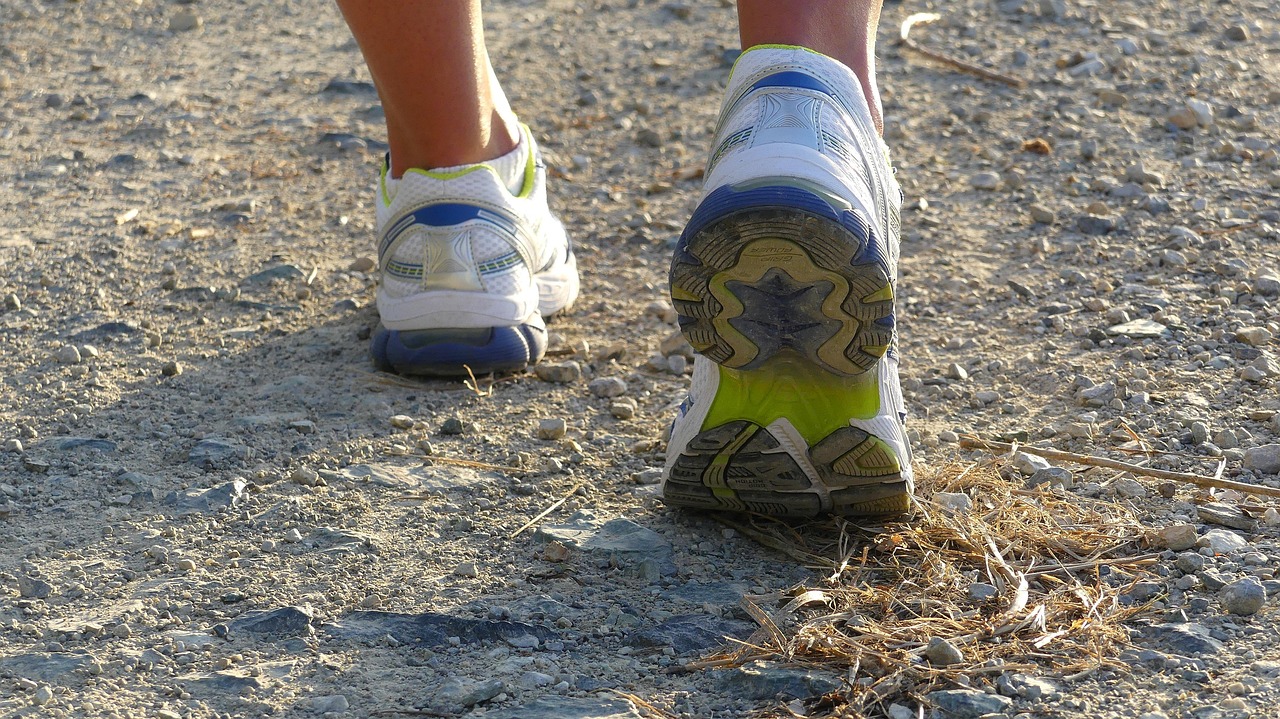

How to Break in New Running Shoes without Pain
When you invest in new running shoes, comfort is paramount, as no one wants to experience discomfort while enjoying their run or jog. Breaking in new footwear can often seem overwhelming, as every runner wants to avoid blisters and pain. There are several strategies you can employ to make this process smoother. Firstly, always select the right size and style after considering your running style. This is an essential step in ensuring a pleasant experience. Secondly, you can gradually increase the mileage on your new shoes. Start with short distances, allowing your feet to adjust and get used to the fresh footwear. Thirdly, consider wearing them around the house so that your foot contours adapt. Fourthly, pair your new shoes with the right socks. This can significantly minimize friction and reduce the likelihood of blisters forming. Additionally, try switching your running terrain, if possible. This will assist in adjusting the shoe’s flexible parts. Finally, don’t forget to maintain your shoes by cleaning them and ensuring they air out properly after runs, which prolongs their life and maintains comfort.
Another effective technique to help break in your new running shoes is to perform dynamic stretching exercises before your initial runs. These movements enhance blood circulation in your feet, which helps to loosen them up. Also, it’s essential to walk in the shoes while performing everyday activities. This subtle introduction allows your feet to mold to the shoe without stressing them suddenly. Besides walking, consider light jogging on a treadmill or soft surface to limit external stress while observing how the shoe responds. Next, range your running terrain to different surfaces, as this will help keep the shoes flexible and accommodate any minor misalignments. Don’t forget to pay attention to the materials in your shoes as well; canvas or mesh shoes tend to offer more flexibility versus rigid shoes. Good insoles can also aid in comfort by cushioning your foot effectively. Regularly monitoring areas where you feel discomfort will provide insight into what adjustments may be necessary. Lastly, be patient! Allow your shoes ample time to comfortably fit your feet and provide the support needed for an enjoyable running experience.
Paying Attention to Fit and Features
As you embark on the journey of breaking in your new running shoes, consider evaluating their fit continuously. Proper fit is an essential characteristic of good footwear, impacting everything from performance to injury prevention. Try to ensure that your shoes have at least half an inch of space beyond your longest toe, accommodating foot swelling during your runs. The arch support should align well with your footnotes, enhancing your comfort throughout the process. Also, take note of the flexibility of the shoe’s midsole, which should ideally bend easily without excessive resistance. Tight-fitting shoes may lead to excessive friction, increasing the risk of blisters and sore spots. Furthermore, check for additional features that enhance comfort, such as cushioning gel or upgraded foam pads. These elements can make a significant difference when running long distances. Likewise, lightweight materials will help reduce foot fatigue, which is crucial during extensive training sessions. Eventually, considering all these suggestions will significantly alleviate any discomfort and minimize the need for numerous care tips post-purchase.
Another critical aspect to remember is that the breaking-in period varies significantly between different brands and models. While some may adapt remarkably well, others might take more time to feel comfortable. Be patient and listen to your body’s cues. Once you notice discomfort, it might mean your shoes still need further breaking-in or, in some cases, that you’ve selected an incorrect model. Always have the option to return or exchange them if the discomfort persists after a reasonable break-in period. Moreover, consider using blister prevention stick or patches on sensitive areas during this transition. It will protect your skin and provide additional comfort, allowing you to enjoy your runs without worrying about sore spots. Also, contributing your running gear collection can yield better results; try including varied shoe types to alternate between, as this gives your feet different movement patterns to adapt to. Lastly, consistent foot care, including moisturizing and pedicures, can minimize the discomfort felt by the end of each run. The overall goal is to create a harmonious relationship with your new shoes!
Understanding the Terrain
The terrain you choose to break in your new running shoes can have a significant impact on how quickly they become comfortable. Running on softer surfaces like tracks, grass, or treadmill can provide ample cushioning, allowing your shoes to flex without resistance and reducing the risk of blisters. Engage in running on these lighter surfaces before transitioning to harder terrain like pavement. The hard ground doesn’t offer much give, subjecting your feet to more shock, which can exacerbate discomfort from brand new shoes. Also, practicing form running on uneven terrain can help improve your skills, creating a more adaptable shoe for varied ground conditions. It prepares you physically and mentally for real-world scenarios. Moreover, consider changing up your routes periodically to include different terrains, which allows for natural adaptation of your shoe’s material. Even take note of consistent post-run stretches to alleviate soreness associated with changes in running surfaces. Every bit of preparation contributes to making your running experience enjoyable while easing the transition to new footwear.
Additionally, understanding the seasons can influence your breaking in process. The temperature and humidity can affect how your new shoes perform and how your feet respond to them. For example, a hot summer day may cause your feet to swell more than on a cooler day. Hence, if you’re adjusting your shoes in warmer months, choose lighter socks and possibly consider removing the insoles for brief periods to allow for better airflow. On the contrary, if winter running is your choice, ensure your shoes can accommodate thicker socks for insulation without cramping your fit. Furthermore, regular moisture-wicking socks will help maintain comfort throughout the season, keeping excess moisture at bay. Utilizing weather-appropriate materials in your running gear, like breathable fabrics, can also enhance your overall comfort, offering a complete ensemble that supports your running activities. Lastly, seasonally adapting your run schedules can ease your adjustment periods with new shoes as well. Keep an open mind, and do embrace every opportunity to fine-tune your approach during this transition!
Monitoring Foot Health
Never underestimate the importance of foot care during the breaking-in period. Monitoring your foot’s health is crucial to ensure your new footwear is effective and your feet remain pain-free. Start by inspecting your feet post-run for any sores, blisters, or calluses. By identifying potential problem areas quickly, you can take necessary corrective measures in a timely manner. Apply blister pads to areas that are showing signs of friction and address any minor issues before they escalate into something serious. Good foot hygiene—keeping them clean and dry—will also help sustain durability. Neglecting this can lead to fungal infections or other issues. Additionally, consider foot exercises that encourage proper alignment and strength to keep them healthy. Rolling your feet on a tennis ball can alleviate any tension accumulated over time. Moreover, seeking professional advice from a podiatrist for persistent discomfort can offer tailored solutions aligned with your needs. Understanding that your foot health contributes significantly to your running experience will motivate you to adopt these measures consistently. Taking care of your feet will allow you to maximize your time spent breaking in new shoes.
As a concluding thought, embrace the breaking-in journey with a positive mindset. It’s essential to recognize that discomfort is a normal part of adapting to new running shoes, and patience is required to achieve that perfect fit. Celebrate small victories, such as completing a short distance without pain, as part of the process. Document your experiences, as recording progress can inform future purchases and help you refine your breaking-in techniques. Make sure to incorporate social aspects by sharing your experiences and insights with fellow runners; they can offer valuable feedback and personal tips that have worked for them. Moreover, building a community can motivate you through any discomfort along the way, making the process feel less tedious. Ultimately, enjoy the moments logged on your feet, as every run improves your skills and endurance. Each step taken is a reminder of your determination. Embrace the adaptability encouraged by these new shoes, cultivating resilience along the path to your perfect fit. With these insights, you can confidently step out, knowing that the journey with your new running shoes will yield fantastic results!