
How Hormonal Imbalances Impact Fat Distribution
Understanding how hormones affect body composition is vital. Hormonal imbalances can significantly influence fat distribution in the body. Hormones like cortisol, insulin, and estrogens all play unique roles in how fat is stored. For instance, elevated cortisol, a stress hormone, can lead to increased abdominal fat. Conversely, insulin resistance can cause fat accumulation in various areas, especially around the belly. Furthermore, fluctuations in sex hormones, like estrogen in women, become critical in determining fat patterns, especially as they age. Studies suggest that estrogen deficiency can cause fat to shift from the hips to the abdomen. This change isn’t merely cosmetic; it can lead to increased health risks such as cardiovascular disease. Men, too, are not immune to hormonal imbalances. Testosterone deficiency can lead to an increase in body fat and a decrease in muscle mass. Therefore, maintaining balanced hormone levels through lifestyle changes or medical interventions can improve one’s overall health and body composition. Recognizing these patterns allows for targeted strategies that can help mitigate adverse effects and enhance wellness in individuals. This article delves into these hormonal influences on fat distribution and their implications.
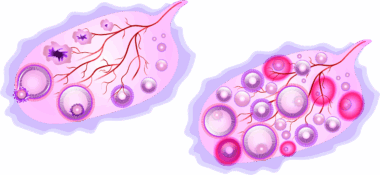
Hormonal dysfunctions can aggravate body fat distribution disparities. One notable example is polycystic ovary syndrome (PCOS), which results in elevated levels of male hormones in women. This condition often leads to weight gain and a distinctive fat distribution pattern, predominantly affecting the abdomen. Due to insulin resistance, women with PCOS may experience difficulties in weight management, potentially leading to further health challenges, including diabetes. Additionally, the thyroid gland’s role is indisputable in regulating metabolism. An underactive thyroid, or hypothyroidism, causes weight gain and changes in body composition due to reduced metabolic rate. Conversely, hyperthyroidism can cause fat loss but may also lead to muscle wasting, which alters the overall composition of the body. Hormones also interact with various biological mechanisms, influencing appetite and energy expenditure. Ghrelin, known as the hunger hormone, and leptin, which signals fullness, are two critical appetitive regulators. An imbalance in these hormones can lead to overeating and subsequent weight gain. Addressing these hormonal imbalances through lifestyle adjustments or medications can provide pathways to better manage body composition more effectively and healthily.
Impact of Cortisol on Fat Distribution
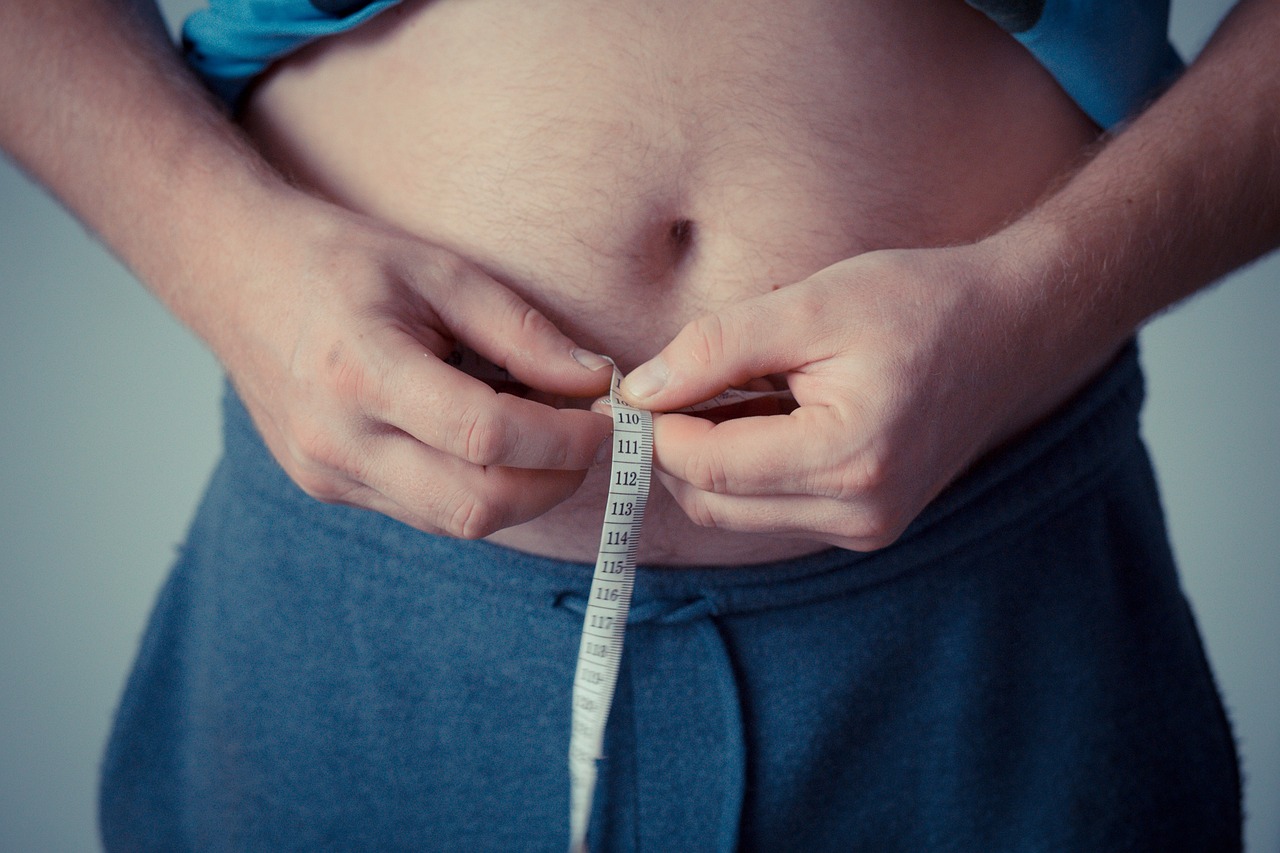
Cortisol’s influence extends beyond stress; it plays a vital role in fat distribution. When you experience chronic stress, cortisol levels remain elevated. This hormone signals the body to store fat, particularly in the abdominal area. Elevated visceral fat is not merely a physical concern but can lead to a host of metabolic diseases. Research has consistently linked elevated cortisol levels to increased abdominal fat. More so, cortisol can interact negatively with insulin, promoting further fat deposition, and leading to metabolic challenges like type II diabetes. Managing cortisol through stress-reducing techniques is essential. Regular exercise, balanced nutrition, and mindfulness practices can help in regulating cortisol levels. Furthermore, sleep hygiene significantly impacts cortisol production. Poor sleep can exacerbate stress hormone levels, creating a vicious cycle of weight gain and health issues. In addition, excessive consumption of sugar can amplify cortisol responses, worsening fat storage. Individuals can work towards a more favorable body composition by reducing stress and ensuring proper sleep hygiene. Discovering effective stress management strategies can help mitigate the adverse effects of cortisol on body fat distribution.
Insulin’s role is pivotal in fat metabolism and distribution. This hormone regulates blood sugar levels and influences how the body utilizes fat for energy. When insulin sensitivity is compromised, however, it can lead to excess fat accumulation. Insulin resistance is increasingly prevalent in modern populations and is often linked to obesity. As insulin levels rise in response to food intake, the body starts to store more fat, particularly around the abdominal region. Notably, high carbohydrate intake can exacerbate these insulin spikes, leading to weight gain. Individuals with excessive abdominal fat often have higher insulin resistance, creating a cycle that’s difficult to escape. Addressing dietary habits by adopting a lower carbohydrate diet may improve insulin sensitivity and promote fat loss. Furthermore, regular physical activity enhances insulin sensitivity, encouraging fat utilization over storage. Integrating resistance training and aerobic exercises can promote hormonal balance by optimizing insulin levels. By prioritizing whole, nutrient-dense foods and maintaining an active lifestyle, individuals can ameliorate insulin resistance and its effects on body composition. To achieve lasting health results, ongoing monitor changes in insulin levels and body fat may be helpful.
The Role of Estrogen in Fat Distribution
Estrogen significantly influences fat distribution patterns, particularly in women. This hormone impacts where fat is stored in the body, with higher estrogen levels typically contributing to pear-shaped body types characterized by hip and thigh fat. Conversely, women who experience decreased estrogen levels, such as during menopause, may notice a shift in fat storage. The predominance of abdominal fat can lead to a higher risk of metabolic disorders, including heart disease and diabetes. Understanding the risks associated with lower estrogen levels is essential for effective health management. Men can also experience changes in estrogen levels, often linked to obesity and hormonal conditions, which can influence fat distribution and many other varied health metrics. Reestablishing hormonal balance is achievable through lifestyle interventions such as dietary modifications, exercise, and stress reduction. Certain foods can promote hormonal balance through their phytoestrogen content, potentially mitigating fat distribution challenges. Additionally, maintaining a healthy lifestyle can help to minimize unwanted weight gain and enhance resilience against hormonal shifts. Ultimately, recognizing the biological interplay of estrogen with body composition can empower individuals to approach health proactively.
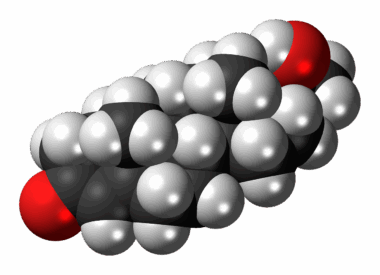
Testosterone in men has a considerable impact on fat distribution patterns. As men age, their testosterone levels naturally decline, leading to several physiological changes, including muscle mass loss and increased fat gain. Low testosterone is often associated with obesity, resulting in a higher accumulation of visceral fat. This excess body fat can further reduce testosterone levels, establishing a harmful cycle that perpetuates both hormonal and body composition issues. Addressing low testosterone may involve lifestyle changes such as increased physical activity and dietary modifications, including healthy fats and lean proteins. Resistance training, in particular, can enhance testosterone levels and promote muscle growth, which helps shift fat distribution toward leaner areas. Moreover, optimizing body composition leads to better overall health outcomes, including improved mood and energy levels. Men should consider regular check-ups with healthcare providers to monitor hormone levels, as detecting deficiencies can facilitate early interventions. The correlation between testosterone levels and fat distribution emphasizes the need for balanced hormones for achieving ideal body composition. Awareness and education about these hormonal influences can lead to proactive measures in addressing fat patterns.
Conclusion: Addressing Hormonal Imbalances
The interplay between hormonal health and fat distribution is a critical aspect of understanding body composition. Awareness of how hormones like cortisol, insulin, estrogen, and testosterone influence fat patterns opens pathways for targeted interventions. Individuals should recognize their unique hormonal profiles when devising weight loss or body composition strategies. Health professionals can provide comprehensive evaluations to identify hormonal imbalances and guide personalized treatment plans. Incorporating stress management techniques, regular physical activity, and a balanced diet can collectively improve hormonal levels and support better fat distribution. Furthermore, monitoring these changes over time is vital for determining what approaches yield positive results. Collaborative efforts between patients and healthcare providers can lead to more effective outcomes in body composition management. Ultimately, addressing hormonal imbalances can encourage healthier fat distribution patterns, reducing health risks and improving overall quality of life. As individuals engage in proactive measures to understand their hormonal health, they enhance their ability to achieve and maintain their desired body composition sustainably. Continuous education on the hormonal influences presents a valuable resource for navigating challenges related to body composition.
This is another paragraph with exactly 190 words…