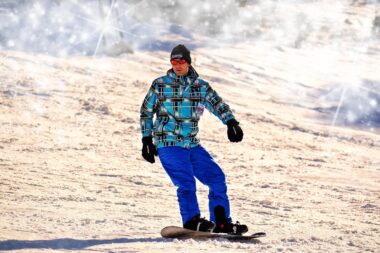

Winter Outdoor Circuit Training: Using Nature as Your Gym
Winter is not a reason to stay indoors and miss out on your workout routine. Embracing the cold season can unlock unique opportunities for outdoor circuit training. Snow-covered landscapes offer a picturesque background, inviting you to explore new ways to stay fit. The elements become your equipment, allowing you to utilize natural obstacles creatively. Incorporating different terrains, slopes, and snow can enhance your workouts significantly. Outdoor workouts during winter also promote mental health, helping to combat feelings of seasonal sadness. Additionally, fresh air can invigorate your body and mind, unlike any gym environment. To get started, consider the snow as an added resistance element. This type of training will engage more muscles for an intense workout. You might also explore local parks or trails that remain open during winter months. However, it’s essential to equip yourself with proper winter gear to avoid getting cold. Layering clothes and wearing water-resistant materials can make your experience more enjoyable. Don’t forget about the importance of hydration, even in colder weather where you might not feel thirsty. Let’s dive deeper into the specifics of effective winter outdoor circuits.
Choosing the Right Exercises
When developing your winter outdoor circuit, picking the right exercises is critical. Focus on activities that work multiple muscle groups to maximize your training efficiency. Exercises such as snowshoe running can build endurance while providing an exhilarating experience. Additionally, bodyweight exercises become essential in this setting. Push-ups, squats, and lunges can be performed anywhere in the snow. To increase difficulty, try variations like jumping squats or explosive push-ups. You can also utilize fallen trees or benches for step-ups or tricep dips, incorporating functional fitness elements into your routine. For core stability, exercises like planks or mountain climbers on an uneven surface will challenge your balance. It’s also effective to combine cardio bursts, like sprinting in the snow, with strength exercises. Consider setting up a circuit with stations; each station focuses on different skills or muscle groups. You can create a loop back to your starting point for a full-body workout experience. Remember, being outdoors means constantly adjusting to changing conditions. Therefore, keep your workout flexible to adapt to the snow and ice on the ground.
Safety is crucial when engaging in winter outdoor workouts. As temperatures drop, hazards such as ice become more prevalent. Ensuring your workout area is safe should always come first. Identify icy sections and plan your route accordingly to avoid slips or falls. Wearing appropriate footwear with good traction is essential to stabilize your movements. Waterproof shoes will also help keep your feet dry and warm. Moreover, always assess your energy and capabilities. Cold weather can lead to quicker fatigue, so listen to your body’s signals. Starting slowly and gradually increasing intensity will help your muscles acclimatize. Consider working out in a group to enhance safety and accountability; it also creates a motivating social context. Make sure to stretch adequately before and after your workout to prevent injuries. It’s an excellent opportunity to engage those muscles that you may not use as often in a warmer climate. Also, ensure your phone is fully charged in case of emergencies while out in the wilderness. Staying safe will allow you to enjoy the unique experience of winter workouts and take full advantage of the great outdoors.
Warm-Up and Cool Down Techniques
A proper warm-up is essential before embarking on your winter outdoor circuit training. Due to colder temperatures, your muscles require extra attention to prevent discomfort or injuries. Start with dynamic stretches that will help increase your heart rate, such as high knees or arm circles. This activational phase prepares your body for strenuous activities ahead. Incorporate movements focusing on joints, given the extra stiffness cold weather might cause. After your workout, allowing your body a sufficient cool down is equally important. Engage in stretching to enhance muscle recovery and flexibility. The cool-down phase should focus on lengthening muscles while allowing your heart rate to lower gradually. Hold stretches for at least 15-30 seconds for effectiveness. This practice can help alleviate muscle soreness and tightness that may occur after outdoor workouts. Moreover, practicing breath control during your cool-down can promote relaxation. Embrace the beauty of nature around you to create a calm atmosphere as you wind down. Remember, the process of warming up and cooling down is not an option; it’s a requirement for longevity in outdoor training.
Incorporating friends into winter outdoor workouts can significantly enhance the experience. Shared motivation often leads to improved performance while also providing a social connection. Plan sessions with friends where you can hold each other accountable and share enthusiasm for collective fitness goals. Create a schedule of different locations or activities to keep workouts exciting and fresh. You can try team challenges such as snowball fights or relay races in deep snow for some fun. In addition to having a good time, you also challenge yourself differently in a social context. Group exercises help break monotony and encourage friendly competition, pushing everyone to reach new heights. Utilize apps or social media to set fitness challenges among friends, creating a supportive network. In winter, working out together in a snowy setting fosters camaraderie, mountain smiles, and shared triumphs. Celebrate milestones together, like completing a journey or reaching a fitness goal. Don’t forget to capture these memories with lots of photos, ensuring to document your adventures on the go. Embrace the magic of winter by creating unforgettable experiences while keeping fit outdoors.
Benefits of Winter Outdoor Workouts
The advantages of engaging in winter outdoor workouts are plentiful. Firstly, fresh air does wonders for mental clarity as it helps improve your mood. Nature also offers a natural aesthetic that is rejuvenating and calming. Experiencing the beauty of winter while working out can create a unique connection with your surroundings. Moreover, exercising outdoors allows you to embrace vitamin D, which is essential for our well-being. While sunlight is less frequent, small doses can uplift your spirits. Winter workouts can also be more forgiving on your joints due to softer terrains created by snow. The snow absorbs some impact, leading to a more comfortable experience compared to harder surfaces. Furthermore, the invigorating cold can enhance your metabolism, as your body works harder to maintain its core temperature. This effect equates to more calories burned during workouts. Additionally, essential benefits include improved cardiovascular health and strengthened immune defenses. These advantages are assets when considering the impact of winter on physical health. Ultimately, embracing cold-weather workouts creates an opportunity to step outside of your comfort zone, inviting personal growth.
Finally, integrating technology into your winter outdoor workout routine can optimize your training. Many tools can provide valuable insights into performance and health metrics. Consider using fitness trackers or smartwatches to monitor heart rate, calorie burn, and distance traveled. These devices can motivate you to push your limits during outdoor workouts. Furthermore, setting achievable goals and tracking progress through apps can enhance accountability. Sharing your results with friends can introduce an element of competition, motivating each other to achieve personal bests. You might also consider podcasts or music playlists to keep you entertained during your sessions. Make sure to choose tracks that keep your energy high and maintain motivation as you train outdoors. With the right playlist, each workout can feel more spirited and enjoyable. Think about also using online platforms offering guided workouts tailored to winter conditions. You can find resources to help design your circuit training efficiently, regardless of your fitness level. Remember that winter training doesn’t have to be tedious; it can be a thrilling experience by blending technology, nature, and creativity together.
Conclusion
In conclusion, winter offers a fantastic opportunity to engage in outdoor workouts creatively. Embracing the cold months means unlocking nature’s potential as your gym while enhancing both physical and mental well-being. From exploring snow-covered parks to working out with friends, each session can be both effective and enjoyable. By emphasizing safety, warm-ups, and the use of technology, you can create a winter fitness program that suits your individual goals. Most importantly, remember that the elements challenge us in unique ways, enabling personal growth. Take advantage of the beautiful winter landscape, and utilize its resources to keep your fitness routine alive and stimulating. Furthermore, committing to outdoor workouts promotes resilience and community spirit during the cold months. As you step outside, take a moment to absorb the beauty that surrounds you, recognizing it serves to elevate every fitness achievement. Let this winter inspire you to make the most of your outdoor workouts while fostering long-term health benefits. Ultimately, winter can be a season of adventure, prosperity, and most importantly, fitness, when approached with the right mindset.