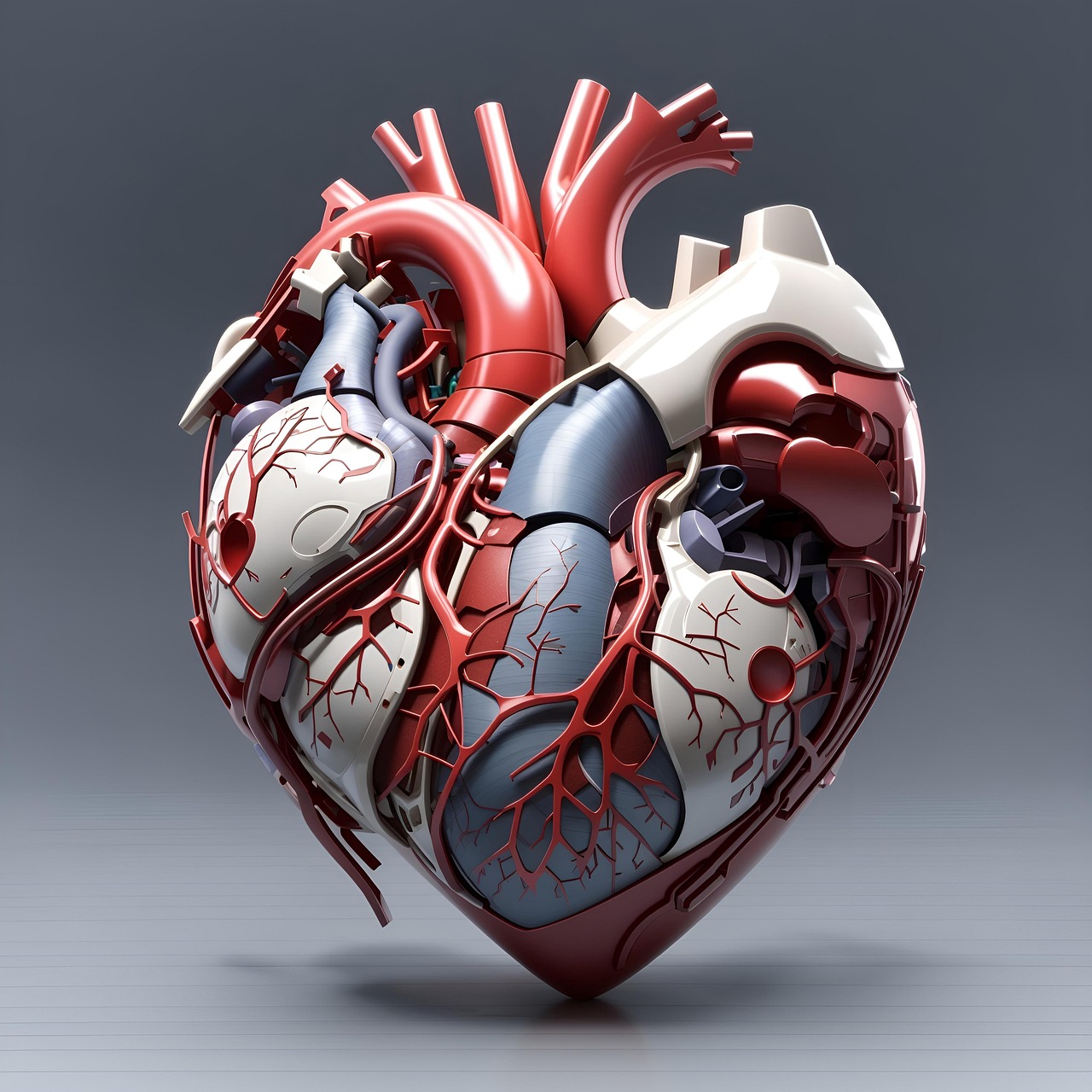

Understanding the Science Behind Cardiovascular Rehabilitation
Cardiovascular rehabilitation (CR) is an essential program for improving heart health and functionality. It involves structured exercise, education, and support tailored for individuals recovering from heart conditions. A successful cardiovascular rehabilitation program focuses on enhancing the patient’s physical well-being and emotional resilience. Various components contribute to CR, including supervised exercise sessions, lifestyle modifications, risk factor management, and ongoing support from healthcare professionals. The primary goal is to reduce mortality risks, improve quality of life, and increase physical activity while managing pre-existing conditions. Moreover, CR can lead to significant improvements, including better cardiovascular fitness, weight loss, and enhanced psychosocial well-being. Research supports the effectiveness of CR, showing that patients who complete a structured program have substantial improvements in both functional capacity and overall health outcomes. This article provides insights into the multifaceted aspects of cardiovascular rehabilitation, emphasizing regular exercise’s role in enhancing cardiovascular health and reducing future heart-related complications. Furthermore, it aims to clear misconceptions about CR, outlining its foundational benefits and scientific backing. By understanding its significance, patients can engage more actively in their recovery process and achieve long-lasting lifestyle changes.
One key component of cardiovascular rehabilitation is personalized exercise training. Personalized exercise regimens significantly vary for each patient, taking into account factors like age, current fitness level, and medical history. Certified rehabilitation specialists typically conduct assessments which guide the development of a tailored exercise program that includes aerobic, resistance, and flexibility training. Aerobic exercises, such as walking, cycling, and swimming, are crucial as they enhance cardiovascular endurance and overall fitness levels. Resistance training focuses on building muscle strength, while flexibility exercises help maintain joint health and reduce injury risks, creating a holistic program. The importance of gradual progression cannot be overstated, as individuals often start with low-intensity activities before advancing. Regular physical activity helps improve exercise tolerance, decrease fatigue, and boost self-confidence amongst participants. Moreover, ongoing monitoring of heart rate and perceived exertion ensures safety during workouts, leading to optimal results. Additionally, the psychological benefits of exercise encompass enhanced mood management and stress reduction. Therefore, a well-rounded personalized exercise regimen is crucial for the rehabilitation process, cultivating both physical and mental healing for heart disease patients, ultimately empowering them to pursue healthier lifestyles.
The Role of Nutrition in Rehabilitation
Proper nutrition plays a vital role in cardiovascular rehabilitation, influencing recovery positively. A balanced diet helps manage weight, improve heart health, and decrease the risk of subsequent cardiovascular events. During rehabilitation, patients are often educated about heart-healthy nutrients, such as omega-3 fatty acids, whole grains, fruits, and vegetables. Integrating these foods into daily meals can help lower cholesterol levels, reduce inflammation, and support overall heart function. Moreover, monitoring salt intake is crucial for managing blood pressure and reducing the workload on the heart. Furthermore, adequate hydration is essential for maintaining optimal cardiovascular function and energy levels during rehabilitation. Professional dietary guidance can assist patients in making smart food choices tailored to individual preferences and lifestyle challenges. Many rehabilitative programs also include cooking classes and meal planning workshops to support healthy eating habits. It’s essential for patients to understand food labels and portion control to ensure they consume nutritious options while minimizing processed foods high in sugars and unhealthy fats. Adopting these dietary changes contributes to long-term health improvement and supports ongoing engagement with the rehabilitation process.
The psychological factors affecting recovery from cardiovascular events are equally important as physical rehabilitation. Patients often experience various emotional responses, including anxiety, depression, or fear of recurrence after heart-related issues. Timely psychological support and counseling during this rehabilitation phase are critical to address these concerns effectively. Mental health professionals frequently collaborate with rehabilitation specialists to develop coping strategies and emotional resilience-building techniques. Group therapy sessions can also foster a sense of community among participants, enabling them to share their experiences and feelings. Psychosocial support encourages individuals to communicate openly about their fears and helps them realize they are not alone in their struggles. When patients have a strong emotional support network, it can significantly bolster their motivation to adhere to the rehabilitation protocol. Additionally, recognizing psychological barriers can lead to targeted interventions that enhance participation in exercise programs and foster healthier lifestyle changes. Ultimately, addressing mental health is paramount, as it correlates directly with physical outcomes in cardiovascular rehabilitation, promising a more comprehensive healing process.
Monitoring and Progress Assessment
Monitoring individual progress throughout the rehabilitation process is crucial for ensuring optimal health outcomes. Patients typically undergo regular assessments to evaluate improvements in their physical fitness and overall health. These assessments often include tests such as the six-minute walk test, exercise stress tests, and heart rate monitoring. Regular evaluation allows healthcare professionals to modify exercise programs based on the patient’s current capabilities and goals. Any changes observed during the rehabilitation can help in setting realistic targets that align with personal progress. Furthermore, patients are encouraged to self-monitor, taking note of their daily activities, exercise duration, and any symptoms experienced during workouts. This active participation in the rehabilitation program fosters a sense of ownership and accountability. Many facilities employ technology for real-time tracking, making it easier for both patients and healthcare professionals to gauge performance accurately. Effective communication between patients and their rehabilitation team is essential, guaranteeing timely adjustments tailored to any emerging needs. Continuous monitoring contributes to sustained engagement, promoting long-term adherence to lifestyle changes crucial for reducing future cardiovascular risks.
In addition to exercise and nutrition, educational components are critical to cardiovascular rehabilitation. Education empowers patients with knowledge about heart conditions, risk factors, and the importance of lifestyle changes. Many programs provide resources covering various topics, such as smoking cessation, blood pressure management, and cholesterol awareness, equipping individuals with the tools necessary for positive health outcomes. Participants often engage in workshops where they learn about their condition in a supportive environment. Knowledge gained from these sessions helps patients take charge of their health and make informed decisions. Furthermore, ongoing education ensures that individuals stay updated with the latest research and potential advancements in cardiovascular health. Evidence-based resources and educational materials can promote self-management strategies and motivate patients to adopt healthier habits. Moreover, it creates a culture where patients feel comfortable discussing concerns and sharing experiences with peers and healthcare providers. This culture of learning fosters a lasting commitment to their rehabilitation journey and helps them maintain healthier lifestyles beyond the program completion, ultimately contributing to long-lasting cardiovascular health and well-being.
Conclusion
Overall, understanding the science behind cardiovascular rehabilitation highlights the program’s comprehensive nature. Integrating physical, nutritional, psychological, and educational components provides a holistic approach vital for optimal recovery. This multifaceted strategy aligns with the growing emphasis on patient-centered care in modern healthcare, empowering individuals to regain control over their health. As participants engage in structured exercise regimes, benefit from tailored dietary interventions, and access emotional support networks, they cultivate sustainable lifestyle changes. This commitment has the potential to lead to significant improvements in cardiovascular health, reducing lifelong risks and enhancing well-being. It is through such comprehensive rehabilitation programs that patients can navigate the challenges of heart disease more effectively. Four key elements have emerged as preliminary cornerstones for successful rehabilitation: individualized exercise programs, nutritional guidance, psychological support, and ongoing education. Patients, healthcare professionals, and support networks must collaborate throughout the rehabilitation process to promote a lasting impact. Hence, cardiovascular rehabilitation represents not just a temporary solution but a transformative journey toward a healthier life. Embracing this transformative experience paves the way for individuals to achieve a fulfilling, heart-healthy lifestyle.