
The Role of Tai Chi in Balancing Mood and Reducing Stress Hormones
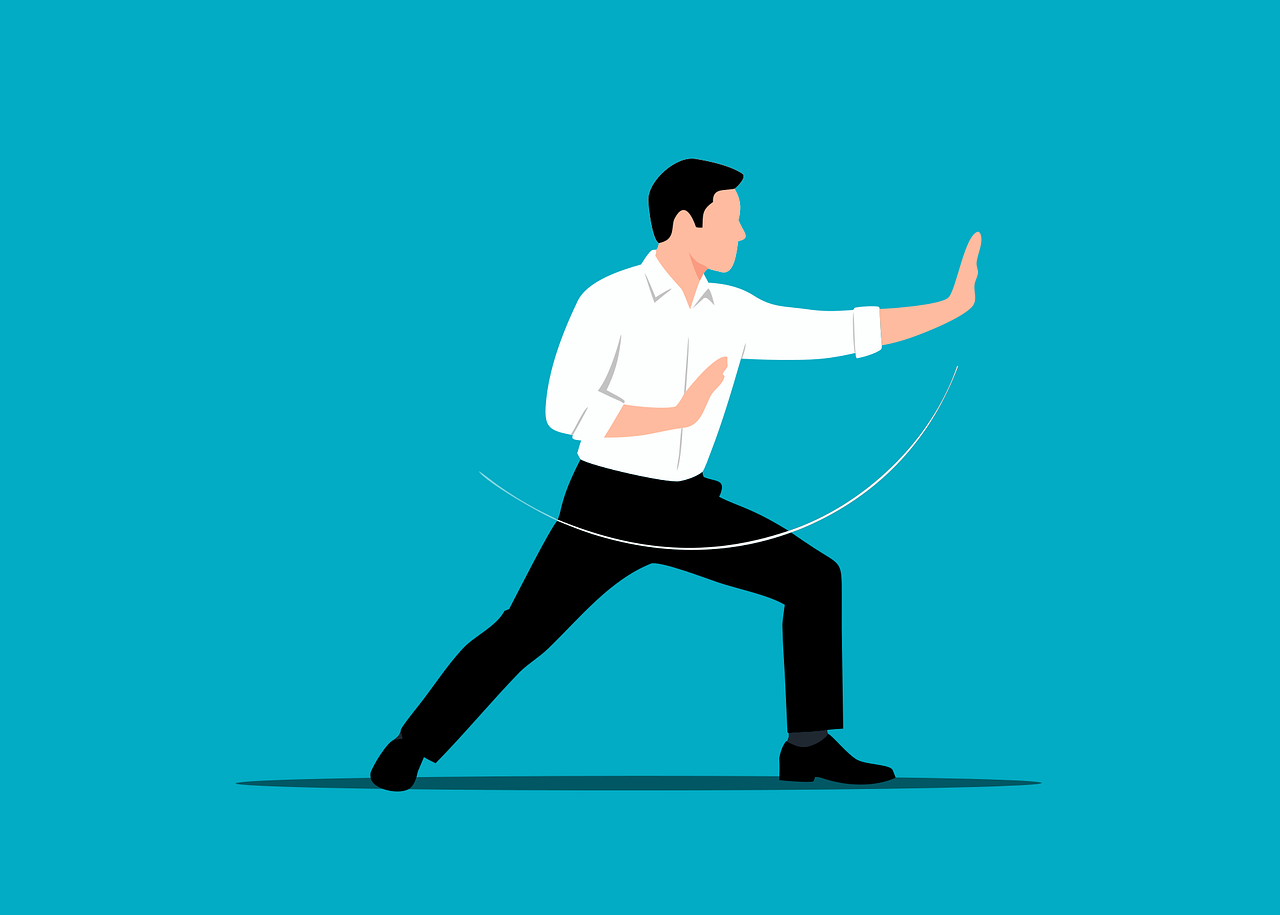
Tai Chi, an ancient Chinese martial art, encompasses both physical and mental practices that contribute significantly to achieving balance within the mind and body. This gentle form of exercise integrates slow, deliberate movements with focused breathing, promoting relaxation and reducing feelings of anxiety and depression. Incorporating Tai Chi into one’s daily routine may provide substantial improvements in mental health and emotional well-being. The rhythmic motions of Tai Chi engage the body’s natural ability to soothe the mind, fostering a tranquil environment conducive to emotional healing. Numerous studies highlight its effectiveness in lowering cortisol, a primary stress hormone. As practitioners engage in this flowing practice, they cultivate present-moment awareness, which helps to sidestep negative thoughts and ruminations typical in anxiety and depression. Regular participation leads to heightened mindfulness, empowering individuals to manage stress more effectively and fostering resilience. Integrating these Tai Chi sessions can serve as a proactive approach to mental health, turning each practice into a valuable time for reflection and grounding, facilitating positive mental shifts that extend beyond the practice itself into daily life.
Scientific research indicates that Tai Chi may lower levels of stress hormones, influencing overall mood. This effect is crucial for those struggling with anxiety and depression, as these conditions often manifest as heightened responses to stress. Even among those initially skeptical about its benefits, Tai Chi’s emphasis on gentle motion, deep breathing, and meditative focus ends up serving as an accessible entry point into effective stress reduction. By promoting relaxation, Tai Chi creates a biochemical response in the body that can prevent the debilitating effects of chronic stress on mental health. Participants find that as they become more attuned to their body and breath, they begin to approach stressful situations with greater clarity and calmness. This transformational approach reshapes one’s perception of challenges, enabling them to tackle problems with enhanced resilience. Many practitioners report improved sleep quality, more energy, and a stronger ability to deal with stress, which can often exacerbate depressive symptoms. Through the harmonization of body and mind found in Tai Chi, individuals can take substantial steps toward cultivating emotional stability and promoting mental wellness in their lives.
Mind-Body Synergy in Tai Chi
The transformative power of Tai Chi lies in its embodiment of the mind-body connection, offering participants an opportunity to explore this relationship deeply. This practice blends physical postures, movement sequences, and breath control, creating an experience that nurtures the mind while exercising the body. By focusing on the present moment and engaging in mindful movement, practitioners cultivate a decreased perception of emotional stressors and improve their mood. Regular Tai Chi practice teaches individuals to maintain awareness of their thoughts and feelings without judgment, leading to an enriched emotional landscape. As practitioners evolve through various Tai Chi forms, they can experience increased emotional regulation. Many report reduced symptoms of anxiety and depression, contributing to an overall sense of well-being. This holistic approach is supported by various studies showing that mind-body practices like Tai Chi can significantly reduce symptoms of mental health disorders. Therefore, the practice not only benefits the individual physically but also lays the groundwork for greater emotional resilience and adaptability in the face of life’s challenges, ultimately fostering a more balanced and fulfilling life.
In conclusion, adopting Tai Chi into one’s lifestyle presents a pathway to improved emotional health and greater resilience against stress and anxiety. This practice promotes a profound sense of connection between the mind and body, enhancing awareness, and fostering a loving relationship with oneself. Participants often discover that through the slow and meditative movements, they are not just exercising but also engaging in a therapeutic form of self-care. Improved sleep patterns, enhanced focus, and lowered anxiety levels are just a few of the many benefits that come with regular practice. Most importantly, the accessibility of Tai Chi offers an appealing option for individuals at all levels of fitness and experience. Many community centers, parks, and online platforms offer Tai Chi classes tailored for beginners, ensuring that anyone can join in on the journey toward mental health enhancement. As awareness of the importance of holistic practices in managing mental health continues to grow, Tai Chi stands out as a powerful tool for supporting psychological well-being. When woven into daily routines, the benefits not only help individuals navigate their personal challenges but also promote a healthier, more connected community.
Getting Started with Tai Chi
If you’re considering starting Tai Chi, it’s essential to find the right class or instructor to suit your needs. Many local community centers offer introductory classes designed for beginners. Engaging with a skilled instructor can provide valuable guidance on proper technique and form, allowing you to reap the most benefits from this practice. If participating in a class is not feasible, consider exploring online resources, as numerous instructional videos and courses are readily accessible to help you begin your Tai Chi journey. Start with short sessions to help build your confidence and skill gradually; even ten minutes a day can yield remarkable benefits over time. As your abilities develop, increase the duration and complexity of your practice. Listening to your body is crucial, allowing you to adapt movements to fit your unique physical condition and mental state. Embrace the learning process and enjoy the meditative aspects of Tai Chi, allowing you to create a personalized practice that suits your lifestyle while fostering a deeper connection between your mind and body.
Over time, participants often notice profound changes in themselves as they develop a consistent Tai Chi practice. Many experience shifts not only in their physical health but also in their emotional well-being. The mind-body connection fostered by Tai Chi encourages a sense of harmony and balance, enabling individuals to respond to life’s challenges with grace and poise. Regular practice leads to improved self-esteem, as practitioners recognize their ability to find stillness in turmoil and cultivate inner peace. This confidence translates into daily life, helping individuals tackle stressors with a newfound perspective and resilience. Those who commit to consistent practice frequently report lasting benefits, including reduced anxiety, improved focus, and a greater sense of happiness. Additionally, forming connections within Tai Chi communities enhances social relationships, further contributing to emotional well-being. The act of sharing this journey with others adds depth to the practice and fosters a sense of belonging. Ultimately, Tai Chi’s role in balancing mood and reducing stress hormones makes it an invaluable resource for promoting mental health in today’s fast-paced world.
The Lasting Impact of Tai Chi on Mental Health
In summary, integrating Tai Chi into one’s lifestyle offers a unique and powerful way to enhance emotional well-being and foster a balanced approach to life. By nurturing the mind-body connection, individuals can address feelings of anxiety and depression with thoughtful movements and mindful breathing. Tai Chi provides a proactive approach to mental health, establishing a foundation for resilience amid stress. Practitioners often find their relationships with themselves and others improving as they learn to cultivate patience and empathy through practice. The benefits extend beyond the individual, positively impacting broader communities through shared experiences and connections formed in class. Moreover, by embracing holistic practices like Tai Chi, we contribute to a cultural shift that values mental health as part of overall well-being. As more individuals discover the benefits of Tai Chi, its influence continues to grow worldwide. In a fast-paced environment often filled with stress and uncertainty, Tai Chi stands as a beacon of hope and healing. Overall, the role of Tai Chi as a viable mental health strategy highlights its importance in contemporary life, inviting everyone to explore this enriching path.
Resources for Tai Chi
For those looking to deepen their understanding of Tai Chi and its benefits, many resources are available. Books, online courses, and instructional videos can provide valuable insights into the philosophy and techniques behind this beautiful practice. Consider joining local Tai Chi communities or forums, where practitioners share experiences and advice, forming supportive networks that encourage growth and commitment. Online platforms may also offer virtual classes and workshops, making Tai Chi accessible to individuals worldwide. By dedicating time to explore and learn, practitioners can develop their skills and deepen their understanding of the Tai Chi practice. It’s essential to stay patient with yourself as you embark on this journey, as mastery takes time and commitment. Embracing the approach to well-being that Tai Chi offers allows you to cultivate a more profound sense of awareness, peace, and mental clarity over time. The sum of these resources generates a comprehensive and enriching experience for anyone making Tai Chi a part of their life. Ultimately, it leads to emotional stability and resilience, underscoring the vital role of the mind-body connection.