
Do Organic Foods Have Longer Shelf Lives? Dispelling Preservation Myths
In recent years, organic foods have gained immense popularity among health-conscious consumers, leading to a surge in questions regarding their preservation and shelf life. Many people believe that organic foods possess inherently longer shelf lives compared to conventional products. However, the truth is more nuanced and relies heavily on several factors. The shelf life of food products remains influenced by a variety of elements including the type of food, how it is processed, and the storage methods employed. Organic foods may avoid synthetic preservatives which could enhance shelf life, but this does not universally mean they last longer than their conventional counterparts. Understanding these dynamics can help consumers make informed choices about their dietary selections and ensure optimal consumption of organic items. Ultimately, the preservation of organic foods requires proper handling and awareness of the unique shelf life characteristics. Thus, it is important to examine scientific evidence instead of relying solely on myths that often circulate within popular culture, leading countless individuals to misconceptions about what organic certifications truly mean.
Furthermore, a crucial point is that organic foods are often produced with a focus on sustainable farming practices, which can impact their preservation qualities. Many organic products are minimally processed, preserving their natural flavors and nutrients but often resulting in shorter shelf life. For instance, organic fruits and vegetables may spoil faster than those treated with chemical preservatives. Microbial growth can also be a significant factor: without synthetic additives, organic produce may be more susceptible to spoilage from bacteria or molds. This factor emphasizes the necessity for consumers to prioritize freshness and proper storage. If you buy organic items, consider their expiration dates and best-use practices. Each individual food product should ideally be consumed before it reaches its peak of freshness to fully enjoy its nutritional benefits. So, while organic foods provide an array of health advantages, they may not inherently have a longer shelf life. The key is to balance the commitment to organic diets with an understanding of appropriate food storage and consumption habits to maximize both flavor and safety.
Understanding Food Preservation Techniques
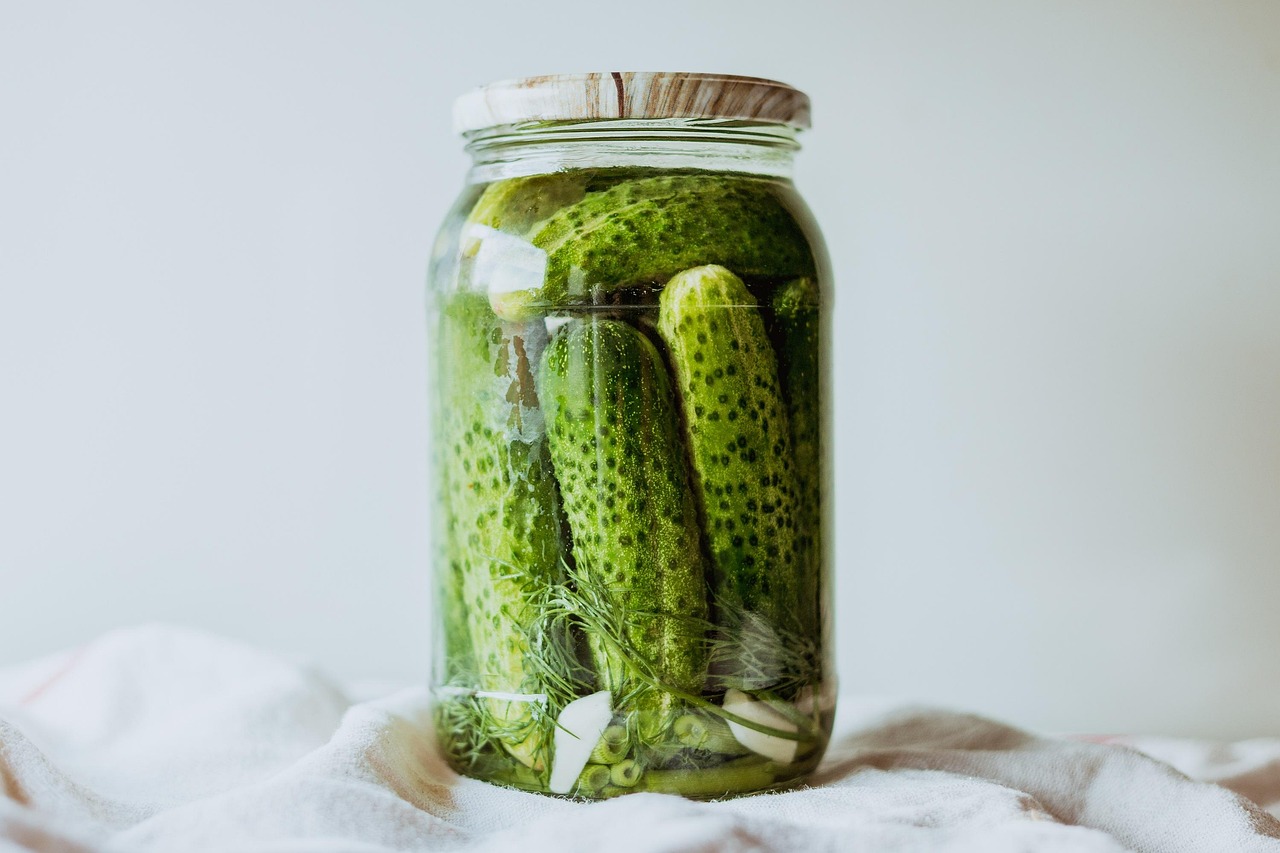
To further understand the preservation of organic foods, it’s essential to know about various food preservation methods and how they affect overall shelf life. Techniques such as freezing, drying, pickling, and vacuum sealing are commonly employed to extend the life of food products—whether organic or conventional. Freezing preserves food by slowing down enzyme activity, while drying removes moisture that bacteria need to thrive. While these methods can be applied to organic foods, they also show that preservation techniques play more significant roles than the organic nature of the product itself. Consumers should be educated on these techniques to help them optimize the storage of organic goods. For example, many organic food products, such as meats and dairy, can be frozen to extend their usability. Awareness of these techniques promotes better storage practices that benefit organic food and minimize waste, which is equally vital in maintaining their nutritional value. Thus, understanding preservation methods is essential for maximizing the shelf life and quality of organic items while enjoying their health benefits.
Moreover, market perception greatly influences how organic foods are preserved and exhibited, further perpetuating certain myths surrounding their shelf life. As consumers become more aware of production methods, many begin to associate organic labeling with better quality and longevity. This perception can lead to unrealistic expectations regarding how long these products will stay fresh. In reality, not all organic foods are equal, and variations can occur based on the brand, ingredient sourcing, and local farming practices. For instance, organic snacks may have preservatives derived from natural sources, but they will still have a designated shelf life which needs to be respected for optimal freshness. This aspect emphasizes the importance of reading labels, understanding storage recommendations, and making informed decisions while purchasing organic items. It’s essential to remember that consumer education can encourage healthier choices and thoughtful consumption. Therefore, relying solely on market perceptions can mislead customers seeking fresh and viable organic food options.
The Role of Packaging in Preservation
Additionally, the type of packaging used for organic foods can significantly impact their longevity and freshness. Packaging serves as a barrier against environmental factors that cause spoilage, such as air, light, and humidity. Many organic products utilize environmentally friendly packaging, which can be less effective compared to traditional plastic packaging commonly used for non-organic foods. Consequently, this means that organic products may be more vulnerable to breaks in preservation due to insufficient protection. Innovative packaging technology now offers various means to enhance the preservation of organic foods without compromising their certified status. For example, vacuum-sealed organic foods typically experience extended shelf lives because they lack exposure to air, which promotes oxidation. Thus, when purchasing organic items, consumers should be attentive to packaging descriptions that indicate how well the product is protected. Understanding how different packaging methods affect both freshness and sustainability can aid consumers in making informed purchases and prolonging the life of their favorite organic foods.
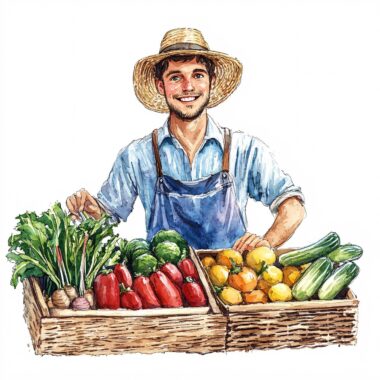
Moreover, another common perception is that locally sourced organic foods have a longer shelf life due to their freshness. While it’s true that local produce is generally fresher upon purchase, this does not automatically equate to increased longevity. Local organic foods may have shorter transportation timelines, allowing farmers to sell produce at its peak ripeness, yet this also means that they tend to expire sooner. Fresh fruits and vegetables commonly found at farmer’s markets can be more prone to spoilage unless appropriately handled and stored. It’s crucial for consumers who prefer local organic goods to understand that higher freshness does not necessarily guarantee a longer shelf life. Each type of organic food item should be evaluated based on its characteristics and storage recommendations. By prioritizing proper handling techniques and practicing informed purchasing habits, consumers can ensure that they enjoy the maximum benefits of local organic products without unnecessary waste.
Conclusion: The Importance of Informed Choices
In conclusion, understanding the shelf life of organic foods involves addressing myths and evaluating multiple factors that contribute to preservation. Organic foods often have shorter shelf lives than conventional products due to limited preservatives and their reliance on natural growing methods. However, education about preservation techniques, packaging options, and local sourcing can empower consumers to make smarter decisions concerning their dietary preferences. Rather than relying solely on the organic label, individuals should consider freshness and storage practices to ensure that they maximize both flavor and nutrition. By remaining aware of the impacts and benefits of organic products, consumers can appreciate their commitment to sustainability while enjoying the pleasures of fresh, organic ingredients. As the organic food market continues to grow, consumers hold the power to change misconceptions and promote a healthier lifestyle through informed choices that respect both the food and the environment. Ultimately, knowledge is the key to enjoying organic foods and their advantages without falling victim to common myths surrounding their preservation and shelf life.