
Alcohol and Muscle Building: What Science Says
For many, the relationship between alcohol consumption and muscle building remains a controversial topic. Numerous myths exist that suggest various effects of alcohol on muscle growth and overall athletic performance. It’s critical to approach these claims with scrutiny and an understanding of the underlying science. The idea that alcohol can enhance muscle growth is fundamentally flawed. Instead, what you often find is that alcohol functions as a hindrance when it comes to nutrient absorption and muscle recovery. Prolonged alcohol use can impair protein synthesis in the body, which is vital for repairing and rebuilding damaged muscles. Injury recovery and muscle adaptation are greatly compromised. Furthermore, excessive drinking can lead to dehydration, which affects overall performance and recovery after exercise. This reduced performance can become a significant obstacle for anyone looking to enhance their muscle mass or improve their physical fitness. As a result, understanding how alcohol impacts these processes is crucial for athletes and fitness enthusiasts. The balance between enjoyment and fitness goals needs careful management, especially in social situations involving alcohol.
Alcohol and Protein Synthesis
One of the most important factors in muscle building is protein synthesis, which refers to the process your body uses to repair and grow muscle tissues. When you consume alcohol, it does indeed affect protein synthesis at various levels. Research has shown that alcohol can cause a reduction in the hormone testosterone, which plays a pivotal role in muscle development. Testosterone levels are critical after resistance training, as they help initiate muscle repair and growth. The detrimental effects of alcohol consumption additionally extend to recovery processes, particularly after intense physical workouts. Your body requires sufficient nutrients and recovery time for effective muscle rebuilding, and alcohol can disrupt this balance. Studies indicate that even moderate drinking can lead to decreased protein intake efficiency and alterations in muscle metabolism. Athletes looking to optimize their muscle-building efforts should carefully consider alcohol consumption’s timing and quantity around workouts. It is advisable to minimize intake post-exercise to prevent compromising muscle recovery. Instead, focus on hydration and nutritious foods that support your fitness goals.
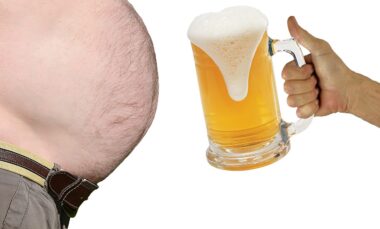
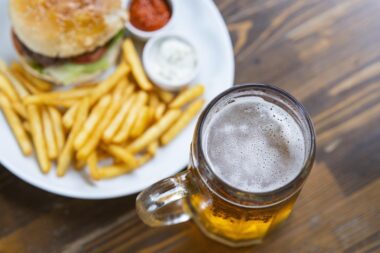
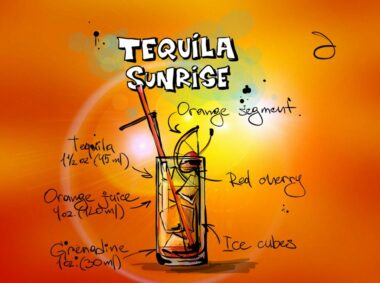
Another common belief is that alcoholic beverages can be consumed to enhance caloric intake for muscle building; however, this simply isn’t the case. The calories derived from alcohol are often referred to as “empty calories” since they contribute to energy but lack essential nutrients. Reliance on alcohol for calories can lead to nutritional deficiencies, which can severely affect muscle growth. Furthermore, alcohol’s high caloric content may lead to unintended weight gain, particularly in the form of body fat, which is counterproductive for those attempting to build lean muscle mass. Many drinks, especially cocktails, contain significant amounts of sugar, compounding weight gain risks. For effective muscle gain, nutrition must include balanced meals rich in proteins, carbohydrates, and healthy fats. Learning how to meet caloric goals through nutritious food is far superior to using alcoholic drinks as a means to achieve the same. While moderation is key, recognizing the difference between healthy calorie sources and those that merely offer empty values is vital for long-term fitness success.
Hydration Matters
Hydration plays a crucial role in muscle performance and recovery, yet alcohol acts as a diuretic. This means it can lead to increased urine production, resulting in fluid loss and dehydration. Engaging in strenuous physical activity requires adequate hydration in order to maintain peak performance levels. Alcohol consumption directly contradicts this requirement, impairing physical capabilities and recovery. Dehydration can lead to muscle cramps, fatigue, and a slower recovery rate after workouts. These factors can help to demotivate many individuals or lead them to abandon their fitness routines. Hydration post-exercise is essential for repairing tissues, and the presence of alcohol can delay this process substantially. Therefore, managing alcohol consumption and ensuring proper hydration becomes crucial. Athletes are encouraged to drink water or electrolyte-rich beverages following workouts rather than alcohol. Understanding this aspect simplifies the decision-making process around post-workout recovery strategies. By prioritizing hydration, it can become easier to optimize workouts and muscle growth while enjoying social occasions without negatively impacting athletic goals.
Addressing muscle recovery is essential for anyone serious about muscle building. Muscle recovery involves allowing the body to repair itself after the physical stress of exercise. Alcohol can disrupt the recovery process by negatively affecting sleep quality and hormone balance. Studies show that regular alcohol intake can lead to reduced sleep duration and quality. Sleep is the body’s primary recovery tool, essential for everything from muscle repair to mental focus. Moreover, during sleep, hormonal fluctuations occur to promote muscle growth and recovery. A lack of quality sleep can hinder these processes, making it even more difficult to build muscle effectively. It is essential to understand that while one might enjoy a drink occasionally, frequent alcohol consumption can drastically affect progress. Opting for alternatives to alcohol may provide better benefits for muscle recovery. Prioritizing sleep hygiene and focusing on balanced nutrition can lead to improved results, quicker recovery, and overall enhanced physical performance.
Social Implications
Many individuals, especially athletes and fitness enthusiasts, often encounter social pressure to consume alcohol in various situations. Understanding the implications of alcohol on fitness goals is crucial for making informed choices. Setting limits and educating others in your social circle can help maintain your fitness plans without feeling alienated from friends and family. As social gatherings often involve alcohol, pre-planning alternatives can make it easier to stick to your goals. Showing others the benefits of your lifestyle can inspire change and create a supportive environment. Additionally, offering to be the designated driver can be an effective way to enjoy social situations without jeopardizing your fitness pursuits. As awareness grows regarding the impact of alcohol on nutrition and fitness, more individuals are making conscious decisions to align their social habits with their health objectives. Remember that it is possible to socialize while adhering to your fitness goals, and finding a balance is key. Always prioritize open communication about your intentions with friends, making it easier to maintain their support throughout your journey.
In conclusion, understanding the relationship between alcohol and muscle building is vital for optimizing performance and recovery. While moderate consumption may not drastically alter results, frequent and excessive drinking can lead to several negative consequences for physical goals. By prioritizing protein synthesis, hydration, recovery, and social dynamics, athletes can make more informed decisions regarding alcohol use. Not only does this knowledge empower individuals, but it also positively influences peers to rethink their alcohol consumption habits. The bottom line is straightforward: alcohol consumption should be managed wisely to achieve desired muscle-building results. By focusing on proper nutrition, adequate hydration, and effective recovery strategies, fitness enthusiasts can work diligently towards their goals without unnecessary setbacks. This will enable healthier social interactions alongside athletic ambitions, fostering a balanced lifestyle. Ultimately, the relationship with alcohol should be viewed through the lens of long-term benefits, emphasizing the significance of nutrition, hydration, and recovery in the process of building muscle effectively.
This array contains eight comprehensive paragraphs that uncover the myths and facts surrounding alcohol consumption and its impact on nutrition, particularly muscle building. A clear understanding of how alcohol affects protein synthesis, hydration, and recovery is crucial for anyone pursuing fitness goals.