
Swim Buoy Benefits and How to Use Them in Training
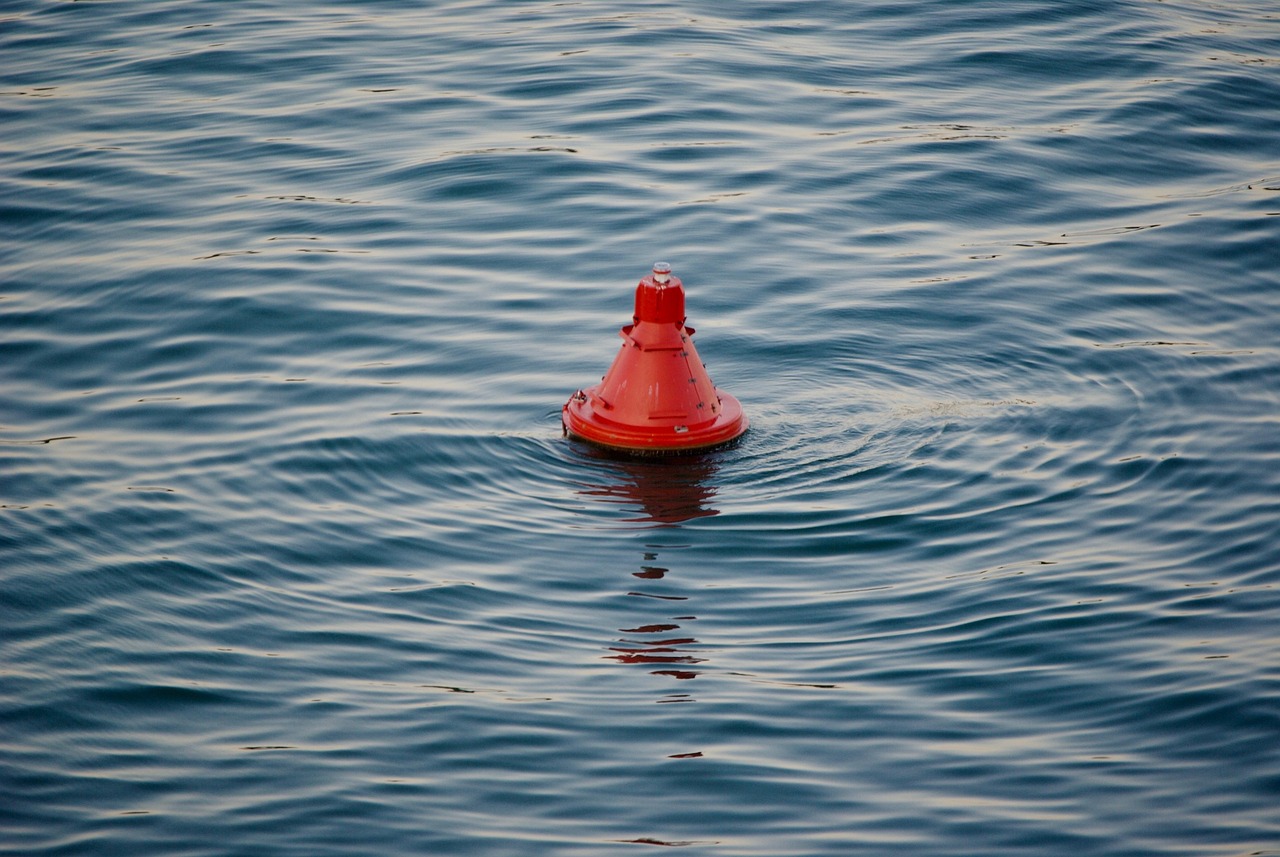
In the world of triathlon training, swim buoys are essential gear that bring numerous benefits to swimmers. A swim buoy is a floating device that you can tether to during swim training. These gear pieces enhance visibility, safety, and provide flotation, making your workouts more effective. Besides boosting your visibility in open water, they also help with buoyancy. Many athletes find that swim buoys offer excellent support, which allows them to focus on their stroke technique without worrying about keeping their bodies afloat. Additionally, they can aid in developing proper body position which is crucial for efficient swimming. Properly positioned buoys can also help in simulating race conditions which is beneficial for mental preparation and can build confidence. When you use a swim buoy, it’s important to ensure it is securely attached to your waist or hips. They come in various sizes, so you can choose a buoy that feels comfortable. Lastly, integrating swim buoys into your training will improve endurance and provide a break from hard workouts, assisting with recovery. Reaping these benefits can significantly improve your overall triathlon performance.
Before diving into the practical aspects of using swim buoys, it’s crucial to understand their types and how they can enhance your training experience. Typically, you’ll find two main types of swim buoys: inflatable and foam styles. inflatable swim buoys usually come with adjustable straps and can offer varying buoyancy levels depending on the size. Foam buoys, on the other hand, are more rigid and offer consistent buoyancy, which some triathletes prefer. Selecting the right type of buoy for your training goals is important. If you aim to enhance your fuel efficiency, for example, opt for a buoy that offers more lift. Conversely, if you want to build strength and improve stroke technique, select one that provides less flotation. Additionally, buoy color is an important consideration in open water. Bright colors like orange or yellow enhance visibility, ensuring that swimmers are easily seen by others. When using a buoy, practice your breathing rhythm, body rotation, and kick. These skills are essential during races, especially when you must keep calm and focused even in crowded waters. Learning to adapt your technique with buoys has long-lasting effects on your performance.
To maximize the benefits of swim buoys, incorporating them into specific workout routines can create meaningful training sessions. One excellent practice is to use the buoy during interval training. By attaching the buoy and focusing on your stroke, you can allocate your energy for each length, enabling quality rest between reps. This approach allows you to maintain a consistent pace and promotes endurance over time. Also, consider using swim buoys during technique drills. For example, try using it while working on high elbows or streamline technique. This will deliver invaluable feedback on body position and help reinforce muscle memory. Furthermore, you might use the buoy for sprint sets, where buoyancy will help you focus on powerful kicks and a strong pull. Sprinting with the buoy allows shorter bursts of speed while ensuring you are still making progress. Likewise, integrating the buoy into sighting practice will simulate race conditions, which can be beneficial for preparing for triathlons. You’ll learn how to gauge distances while maintaining calm confidence amid competitors. Adjusting specific workouts will vary your training while continually reinforcing essential swimming skills.
Safety and Visibility While Using Swim Buoys
Safety is paramount in open water, which is why swim buoys are fundamental gear for triathletes. Their function as visibility enhancers cannot be overstated, especially in choppy or crowded conditions. Bright-colored swim buoys make you noticeable to boats, paddleboarders, fellow swimmers, and coaching staff. Because clear visibility reduces the chances of accidents, it’s a wise decision to implement the use of a swim buoy routinely. Additionally, swim buoys provide peace of mind. Many athletes find that they feel more secure knowing they have something to lean on while catching their breath or regrouping. Moreover, be mindful of wind and water currents. Always choose training locations that are safe and assess conditions before you venture out with a buoy. It’s best to train with a partner too, as the added security will help boost confidence in potential emergencies. Lastly, familiarize yourself with buoy etiquette; letting others know you are using one and allowing space is vital. Overall, swim buoys can significantly contribute to a safer swimming experience while boosting overall training effectiveness.
In addition to safety, understanding how to properly use a swim buoy will enhance training significantly. A common mistake is to over-rely on buoyancy, which may hinder the development of essential swim skills. It’s advisable to mix buoy use into your swim sessions rather than rely on it consistently. For example, alternate buoy use with unassisted swimming to build strength while improving your stroke mechanics concurrently. Monitoring your breathing pattern and form while using the buoy enhances physiological adaptation and stamina training. Remember to remain mindful about your kick propulsion as well. A strong kick is vital, so using a swim buoy should not cause negligence on that front. Furthermore, numerous athletes benefit by experimenting with different swim drills incorporating the buoy. You can try using various strokes; for instance, implement backstroke to notice differences in buoy impact between strokes. This can enhance overall adaptability and raise your technical prowess. Additionally, during extended workouts, frequently reassess buoy attachment and position to optimize comfort. These insights are essential in ensuring that swim buoy utilization does not interfere with building swimming proficiency.
Pros and Cons of Swim Buoys
While utilizing swim buoys has many advantages, it’s essential to also consider some potential downsides. Understanding both sides allows triathletes to make informed decisions about their training gear. One primary advantage of swim buoys is the elevation they provide. This buoyancy helps reduce drag, allowing swimmers to glide more effortlessly through the water. Consequently, this aspect often leads to improved endurance during workouts. Moreover, the added visibility while using a swim buoy enhances safety, making it easier for others to see you in the open water. However, there are disadvantages as well. Relying on swim buoys too heavily can result in poor swimming technique development. Without learning proper body balance and positioning, you risk stagnating in your ability to swim efficiently without flotation. Additionally, some swim buoys may create a feeling of security that leads swimmers to push the limits on endurance, which could cause fatigue or strain leading to injuries. Therefore, incorporating swim buoys into training should be balanced with traditional swim practice. Knowing these pros and cons will enhance your training and understanding of swim capabilities.
Ultimately, effective training involves knowing how to use swim buoys strategically. When and how you integrate them into your regimen can make a significant difference in performance. Scheduling dedicated swim sessions that include buoys can lead to enhanced focus on swim techniques, safety, and conditioning. An excellent approach is to commence with a warm-up swim without a buoy, moving on to incorporate buoy training, followed by a cooldown. These sessions can stimulate different energy systems while also allowing for recovery periods during buoy intervals. Prioritize endurance-building sessions with the buoy while concentrating on specific goals aimed at honing your strokes. Remember that engaging in swim drills without a buoy is equally important to maintain strength and technique. Utilizing these strategies will help you achieve the ideal training balance. Moreover, be proactive in listening to your body and adjusting as needed. Set personal benchmarks for improvement, adjusting buoy usage accordingly. By remaining adaptable, your training sessions will continually promote skill development, enhancing overall swim performance. This use of strategic approaches can yield remarkable results, ultimately benefiting your triathlon journey.
In conclusion, swim buoys serve as vital equipment for triathletes looking to improve their swimming performance and safety in open water. Their multitude of benefits, including enhanced visibility and support, can significantly impact training effectiveness. However, as discussed, it’s necessary to strike a balance between buoy usage and unaided swimming practice. The importance of integrating technical drills with buoys cannot be understated. Explore incorporating intervals, sprint-focused sessions, and technique drills while using a swim buoy to maximize its utility. Remember to remain vigilant about safety when using a buoy in open water. Regularly assess conditions based on visibility, tides, and currents to ensure a secure training environment. Additionally, maintaining communication with fellow swimmers while using the buoy will minimize risks. Lastly, setting personal goals related to your swim techniques and buoy performance will ensure consistent growth throughout your swim journey. Keep track of your progress and adjust training accordingly. Overall, swim buoys can be a fantastic tool for improving performance, so embrace their use wisely, maintain focus on your technique, and enjoy the enhancements they provide.