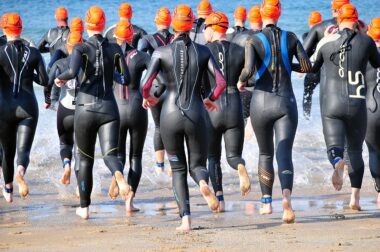
Recovery Techniques Post Triathlon Training and Race
After completing a grueling triathlon, your body deserves adequate recovery to bounce back stronger. Effective recovery techniques are essential for muscle healing and overall performance improvement. It’s important to replenish lost nutrients immediately after the race. A combination of carbohydrates and protein within thirty minutes will aid muscle recovery significantly. Some optimal options include a protein shake, chocolate milk, or a recovery bar. Hydration is another crucial element in the post-race recovery phase. Rehydrating helps to restore electrolytes and fluids lost during the race. Gradually increasing your water intake over the next few days will not only replenish your body but also prepare you for upcoming training sessions. Ensure you engage in light activities as part of your recovery process, such as gentle stretching or yoga. This helps maintain flexibility and muscle tone. Lastly, listen to your body. Every athlete’s recovery needs might differ; thus, pay attention to any pain signals as this can dictate your next steps. Remember that mental recovery is equally vital. Incorporate mindfulness or meditation to allow mental recuperation from the race experience. Each of these steps is crucial for developing a sound recovery strategy.
Another effective method includes adequate rest and sleep, which is necessary for muscle repair and endurance. Aim for a minimum of seven to eight hours each night, allowing your body time to recover from strenuous workouts. Additionally, consider integrating massages or foam rolling into your routine. Massages can alleviate soreness and improve blood circulation, speeding up recovery. Foam rolling, on the other hand, can enhance flexibility and reduce muscle tightness. Furthermore, maintaining a balanced diet post-race is imperative. Focus on whole foods packed with vitamins and minerals such as fruits and vegetables, as these will help rejuvenate your body more effectively. Be sure to include healthy fats and lean proteins to support overall health and boost recovery. It’s also important to avoid extreme changes in your training routine immediately after a triathlon. Instead of diving back into high-intensity workouts, progressively adjust your training intensity and volume according to how your body feels. This gradual transition will help prevent injuries and ensure a steady recovery. Incorporating these techniques can make a significant difference in how quickly you recover and prepare for your next event.
Breathing Techniques for Recovery
Breathing techniques play a pivotal role in your post-triathlon recovery strategy. Engaging in deep breathing can lower stress levels and promote relaxation after an exerting race. One effective method involves the 4-7-8 technique. In this, you inhale through your nose for four seconds, hold your breath for seven seconds, and then exhale through your mouth for eight seconds. This practice not only helps to calm the nervous system but also improves oxygen flow throughout your body. Improved oxygenation can facilitate faster recovery of muscles by delivering vital nutrients throughout your system. Incorporating breathing after workouts builds more awareness of your body’s state and elevates your mental clarity. Subsequent relaxation can lead to an overall enhancement in your athletic performance over time. Additionally, utilizing controlled breathing during cooldowns can also prevent excessive heart rates after high-intensity efforts, which can be beneficial in maintaining homeostasis. Understanding your body’s responses during breathing exercises can open avenues for future modifications in your workout techniques. Keeping to these simple yet effective routines post-triathlon will pave the path for sustainable improvements in recovery times.
Active recovery is another important component of post-triathlon routines. Engaging in low-intensity activities like walking, swimming, or cycling can stimulate blood flow without straining your muscles. This approach aids in flushing out lactic acid build-up from intense workouts. Such activities ideally follow high-intensity races when your body craves light movements. Aim to include active recovery days within the first week following the triathlon. These recuperative sessions should focus on helping muscles relax and ultimately contribute to better performance in subsequent training. Adding mobility work, which targets joint function and flexibility, will enhance your active recovery. Regular mobility focused workouts can help you avoid future injuries and keep muscle imbalances at bay. Furthermore, including warm baths or cold therapy can work wonders. Warm baths can soothe tight muscles, while cold showers can alleviate inflammation and pain. Experimenting with contrast baths, switching between hot and cold, can also optimize recovery. Each individual’s preferences may differ greatly; therefore, identify which recovery methods resonate best with your body. Creating a blend of techniques that best suit your needs will lead to quicker recovery and enhanced performance.
Nutrition’s Role in Recovery
The role of nutrition in recovery cannot be overstated. Post-race, your body needs specific nutrients to restore its glycogen stores and repair any muscle damage endured during training. Consuming a meal or snack high in carbohydrates and adequate protein is crucial in this process. For instance, quinoa with mixed vegetables and grilled chicken provides a strong combination of these essential nutrients. Prioritize eating within an hour after your race, as this is when your muscles are most receptive to nutrients. Incorporate anti-inflammatory foods such as berries, fatty fish, and leafy greens to further combat inflammation caused by intense exercise. Experimenting with various smoothies or recovery shakes that contain these components can complement your diet efficiently. Adjusting your caloric intake based on your activity level will help maintain your energy balance. Utilizing a food journal might assist in monitoring your intake and adapting as necessary. Staying on track with balanced meals also supports your overall well-being. Pay attention to your hydration, making sure you complement your meals with enough fluids to prevent dehydration. By prioritizing nutrition, you pave the way for efficient recovery and sustained performance.
Reassessing your goals is also crucial to effective recovery. After significant competitions like triathlons, athletes often experience depreciated motivation. Reflecting on your achievements can regenerate your eagerness and refocus your training efforts. Set short-term and long-term recovery goals to help maintain commitment to your regime. Break your larger objectives into smaller, achievable milestones that can be tracked effectively. This can keep you engaged and on-target without becoming overwhelmed. Additionally, sharing your experiences with fellow triathletes or on fitness forums can provide accountability and inspiration. Engaging with a community can cultivate motivation that helps keep your spirits high. If feeling stagnated, considering a change in your routine can revitalize your training experience and recovery. This could involve trying new activities or switching up your existing workout regimes to stimulate enthusiasm. Do not hesitate to experiment with diverse training methodologies, as each contributes to muscle recovery. Remember that your mental outlook can significantly affect physical recovery, so prioritize a positive mindset that embraces growth and progress. Establishing a resilient and optimistic viewpoint will enhance overall recovery effectiveness for future triathlons.
Conclusion and Future Steps
In conclusion, effective recovery post-triathlon training and races involves a holistic approach incorporating physical techniques, nutrition, and mental well-being. Following a structured post-race plan enables athletes to return to peak physical condition quicker while minimizing the risk of sustaining injuries. Pay attention to aspects such as adequate nutrition, rest, mindfulness, and community engagement to support powerful recovery strategies. Always tailor your recovery methods to fit your individual needs. After all, recovery is as crucial as training itself, arguably more important for maintaining a healthy lifestyle and performance in the long run. As you adapt and learn from each triathlon experience, be open to experimenting with new techniques to discover what complements your personal training style best. A well-rounded recovery plan prepares the body for the challenges ahead while promoting resilience in your fitness journey. Over time, you’ll be able to evolve both physically and mentally through your recovery practices. Continuous progression in your training and recovery will set the foundation for future success in triathlons and within the broader sphere of athletic pursuits. Embrace the recovery journey and thrive as an athlete.
Remember, listening to your body and respecting its recovery needs will help you achieve your goals. Growth arises when athletes prioritize holistic recovery techniques—don’t skip these elements, as they are integral to long-term success. Embrace the challenges of triathlon training while integrating proven recovery approaches to ensure the best outcomes post-event. Involve techniques that align with both your physical state and personal preferences to craft an effective recovery routine.