
Incorporating Baby into Your Postnatal Group Fitness Routine
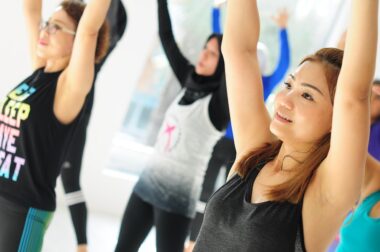
Postnatal fitness is vital for new mothers, and group classes uniquely facilitate this experience. These sessions provide an exceptional opportunity to bond with your baby while also focusing on health and wellness. Incorporating baby into workouts can stimulate parent-child interactions; it is beneficial for both. Such fitness routines can alleviate stress and promote overall wellbeing. Alongside other mothers, sharing experiences can create lasting connections. Classes specifically designed for postnatal fitness incorporate methods to ensure safety and promote gentle movements. Using soft mats and providing supportive props can enhance the experience further. Following the guidance of certified instructors helps to ensure that new mothers exercise effectively. Parental involvement in activities forms unique bonding moments, encouraging social interaction. Parents can engage with infants through fun exercises designed for holding and lifting them while simultaneously doing body toning. Additionally, encouraging outdoor activities helps mothers and babies enjoy fresh air while exercising. The combination of fresh air and physical activity contributes immensely to mental health. Ensuring all levels of fitness are considered can make these classes inclusive. Different options for participation allow mothers to enter various levels based on their comfort and recovery stage.
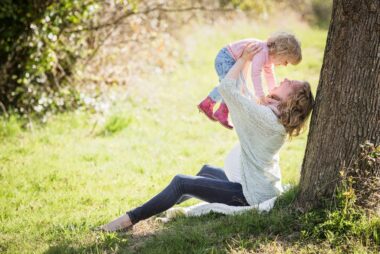
When participating in group fitness classes, some activities can directly involve your baby. For example, baby lifts, where mothers use their babies as weights, offer a playful yet effective workout. These lifts strengthen arms and enhance core stability while allowing the baby to feel secure and entertained. Another fun exercise is the stroller workout, incorporating cardio and resistance training while moving through the class. Engaging in family-friendly fitness challenges allows mothers to bond with their babies while motivating each other. By including playful elements like songs and laughter, classes can make workouts enjoyable for everyone involved. Incorporating yoga poses holding your baby close can heighten flexibility and mindfulness. During classes, using props like balls provides additional ways to engage both mom and baby. Integrative stretching exercises promote relaxation and develop certain muscle groups while instilling calmness in infants. Making the sessions flexible allows spontaneous infant interaction, enhancing the experience. Having trained instructors knowledgeable in early childhood development also contributes positively. This multifaceted approach ensures safety and promotes positive behavioral interactions during the workout sessions. Overall, engaging baby in fitness routines amplifies health benefits while forging stronger emotional connections.
Creating a Supportive Environment
Creating a supportive environment is crucial for maximizing the effectiveness of postnatal group fitness classes. It facilitates encouragement among participants, allowing mothers to share experiences and learn from each other. Group classes naturally foster a sense of community that inspires women to stay committed. Inclusive spaces that cater to varying fitness levels emphasize understanding and personal growth. Recognizing each mother’s capacity and tailoring exercises accordingly can significantly contribute to individual success. Additionally, assembling comprehensive resources like parenting guides can further support mothers. Encouraging positive messages about body image plays a pivotal role in external motivation. These empowering sentiments help mothers embrace their bodies’ changes post-birth. Having guest speakers provide advice on various parenting and postpartum challenges can create enriching experiences. Organizing playdates or informal gatherings after class strengthens participant cohesion. These bonds can translate to support outside of classes, enhancing perception and retention. Providing light snacks and refreshments post-session encourages socialization. Establishing a network of trusted professionals also aids mothers looking for external help, enhancing the overall experience. Connecting with professionals can provide alternative pathways to fitness, offering mentoring and ensuring success. Group support creates a lasting impact and builds foundations for stronger parenting.
Aside from physical benefits, postnatal group fitness classes also contribute to mental health improvement. Many mothers experience emotional rollercoasters after childbirth; these classes can elevate mood significantly. Engaging in shared physical activities helps reduce symptoms of postpartum depression. Overall fitness leads to enhanced energy levels, boosting motivation throughout daily tasks. Having a group of supportive peers who understand these challenges leads to increased confidence and emotional resilience. Empowering mothers through shared experiences reinforces coping strategies. Artistic approaches during exercise, such as dance, can also encourage self-expression, which is beneficial for emotional stability. Additionally, well-structured group classes often include mindfulness techniques, linking physicality with mental well-being. Practices such as deep breathing and meditation may be integrated for restorative benefits. Finding joy in physical activity is nurturing, fostering an uplifting environment for all. Encouragement from fellow mothers can further ease the path to rediscovering one’s body and capabilities. Such positive encouragement allows mothers to celebrate achievements, big or small. These sessions can serve as vital emotional outlets, reinforcing communal bonds. Children gain exposure to positive atmospheres, thereby benefiting from their mothers’ uplifting moods. As a result, happier mothers lead to happier babies and healthier families overall.
Safety Considerations
Safety considerations play an essential role when planning fitness classes tailored for new mothers. Ensuring that exercises are safe for postpartum recovery is paramount. It is vital that each exercise has modifications to accommodate different fitness levels and abilities, ensuring mothers feel comfortable and secure. Knowledgeable instructors should emphasize the importance of listening to one’s body and modifying as necessary. Establishing clear guidelines ensures that mothers can gradually build their strength and stamina. Furthermore, understanding potential complications such as diastasis recti is imperative for effective exercise planning. Incorporating exercises that promote core strength and stability can safeguard against further injury. Creating a welcoming environment encourages participants to voice concerns and questions, reinforcing the safety collective. From adjusting infant seating during workouts to ensuring that outdoor training areas are safe, these considerations collectively ensure a comprehensive supportive approach. Even relevant medical screenings prior to participation can prevent potential health setbacks. Parents should be educated about the importance of staying hydrated and feeding infants accordingly during sessions. Providing wellness checks or follow-ups can also reinforce the focus on health. Prioritizing safety ensures more enjoyable classes, enabling participants to return without hesitation to improve their fitness journeys.
In addition to physical and mental health, fostering connections with fellow mothers profoundly enriches the postnatal group fitness experience. The shared understanding of parenting challenges builds a unique community where women feel empowered. These supportive relationships can lead to long-lasting friendships that extend beyond fitness class. Sharing goals stimulates accountability, encouraging women to remain focused on fitness aspirations. As mothers navigate emotional challenges, having a close-knit support system offers encouragement and solidarity during difficult times. Regular interactions can serve as a reminder that struggles are often shared, promoting individual resilience and growth. Opportunities for collaboration, such as co-parenting groups or childcare shares, can arise from these connections, easing the demands of motherhood. Bringing infants into conversation and activities celebrates their growth while strengthening maternal identities. Joint participation in community events can further solidify bonds, outside the constraints of formal fitness settings. These gatherings facilitate an ongoing exchange of parenting tips and advice relevant to their shared experiences. Celebrating milestones collectively strengthens social support naturally and creates memorable group experiences. In the long term, these friendships positively impact mental health, contributing to a more balanced and fulfilling motherhood journey.
Conclusion and Next Steps
In conclusion, incorporating baby into postnatal group fitness routines creates enriching experiences for both mothers and their infants. These classes not only improve physical health but also enhance mental well-being through shared community support. Ensuring a nurturing environment, attending to personal safety, and focusing on strong mutual connections enhances every aspect of the fitness journey. Encouraging mothers to exercise with their babies leads to emotional bonding while providing accessible fitness options. With numerous styles of workouts emphasizing adaptability, all new mothers can find confidence in participating—regardless of individual fitness capabilities. Participatory activities enhance both physical fitness and joyful connection, fostering enriching experiences that resonate deeply. New mothers are encouraged to explore various classes tailored to their needs and preferences. Each session provides opportunities for learning, growing, and establishing a supportive environment. Joining local groups or seeking recommendations can establish helpful connections. As mothers engage with fitness activities, the sense of community will evolve, ensuring enduring friendships are formed. Together, they navigate the challenges of motherhood while pursuing health. Additional resources like online platforms can provide further insights, catering to specific needs. Ultimately, prioritizing health can lead to transformative motherhood experiences.
Discovering ways to blend fitness and motherhood not only optimizes personal well-being but also nurtures the emotional growth of infants. Participating in postnatal classes ultimately enhances the holistic approach to health for both mother and child alike. These experiences become opportunities to explore fitness alternatives while embracing unique challenges. Participating with babies can break traditional barriers of exercise, demonstrating that physical activities need not hinder parenting moments. Mothers learn to build strength and stamina while creating joyful interactions, showcasing the importance of community during these formative years of motherhood. Finding postnatal fitness classes designed with inclusive practices promotes positive motivations that lead to long-term commitment. Getting recommendations from health professionals, local clinics, and community organizations can hone in on effective classes suited for individual journeys. Comfort is essential; thus, selecting classes that promote body positivity and advocate gradual approaches ensures the best experiences. Motivating mothers to maintain their fitness journeys fosters a supportive culture for new parents. Furthermore, establishing playgroups or social events within these contexts stretches the social fabric necessary for strong community ties. Ultimately, the myriad benefits of immersion in group fitness postnatally are limitless and empowering for every parent.